
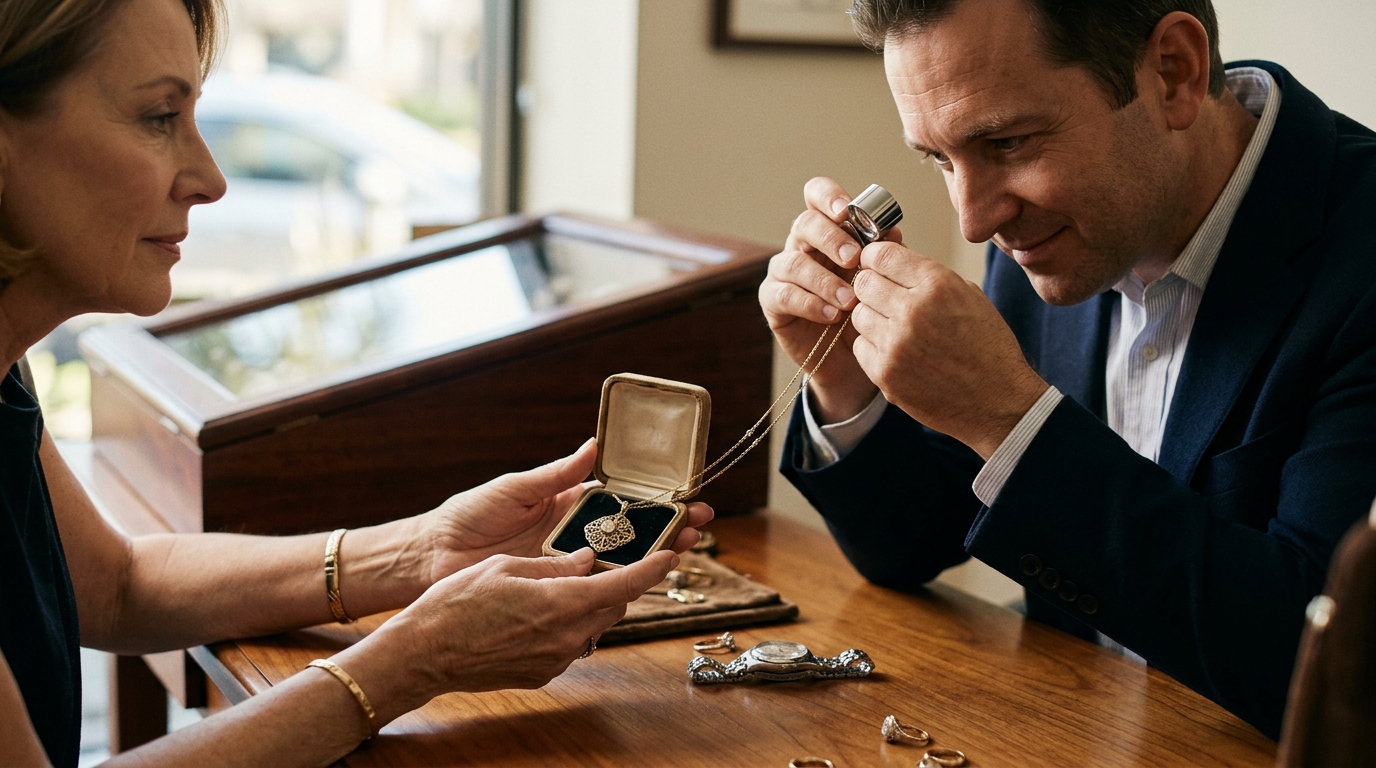
Selling estate jewelry requires careful attention to material composition, historical markings, and current market demand. According to the secondary market, the secondary market for pre-owned precious metals and gemstones generates over four billion dollars annually across North America. This financial reality means that sellers must understand exactly how professionals assess value before walking into a showroom. You need to verify hallmarks, check for wear patterns, and confirm authenticity to maximize your return. The Lake Worth Gold Mine provides complimentary evaluations to help you navigate this process efficiently.
Understanding Hallmarks and Maker Marks
Identifying Official Stamps
Every piece of fine jewelry carries specific stamps that indicate its origin and composition. A hallmark is an official mark stamped into the metal to certify purity and origin. You should examine the inside of rings, the clasp of necklaces, and the back of pendants. These tiny engravings often reveal the karat weight, the manufacturer, and the year of production. Missing hallmarks do not automatically mean a piece is fake, but they do require professional verification.
Researching Designer Signatures
Designer jewelry often carries distinct signatures that significantly impact resale value. Brands like Cartier, Tiffany, and Van Cleef maintain strict authentication standards. You can verify these marks against official brand archives or trusted industry databases. Matching these signatures to verified records ensures you receive accurate pricing.
Evaluating Gemstone Quality and Cuts
Checking the Four Cs
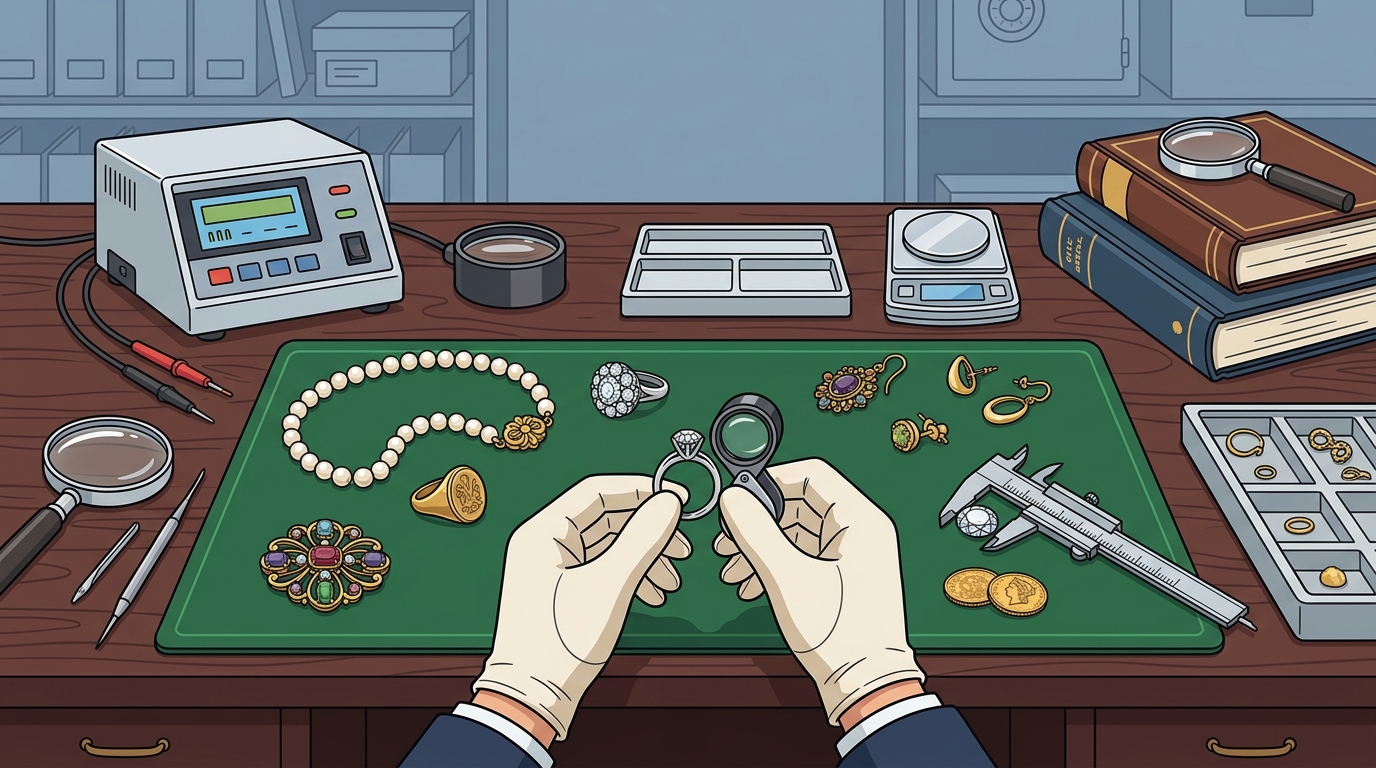
Gemstone valuation relies on four standardized criteria. Cut refers to how well the stone reflects light and displays brilliance. You should inspect stones under bright, direct lighting to spot inclusions or cloudiness. Diamonds, sapphires, and emeralds each have specific clarity grades that directly affect market pricing. Professional graders use standardized lighting and magnification tools to verify these characteristics.
Recognizing Synthetic Treatments
Modern laboratory techniques can create synthetic stones that mimic natural gems perfectly. A treated gemstone is a natural stone that has undergone chemical or heat processes to enhance color or clarity. You must disclose these treatments when selling, as they lower the resale value. Reputable buyers will test stones using specialized refractometers and spectroscopes. Full transparency during the evaluation prevents pricing disputes later.
Assessing Metal Purity and Weight
Verifying Karat Ratings
Gold purity is measured in karats, with twenty-four karats representing pure metal. You should check for stamps like 14k, 18k, or 750 to confirm the exact gold content. Platinum and palladium pieces carry different density markers and require specialized testing. The daily purity standards published by the United States Mint guide professional buyers. Accurate weight measurements in grams directly correlate to your final payout.
Understanding Alloy Composition
Most jewelry contains alloy metals that strengthen the piece and adjust the color. White gold typically contains nickel or palladium, while rose gold incorporates copper. You should avoid polishing pieces aggressively, as this can remove thin gold plating over time. Professional buyers use acid tests or electronic testers to verify exact metal composition. This step ensures you receive fair market value for every gram.
Documenting Provenance and History
Gathering Original Receipts
Original purchase receipts provide concrete proof of authenticity and original pricing. You should locate any certificates of authenticity, appraisals, or insurance documents. These papers often list specific measurements, stone weights, and designer details. The Federal Trade Commission requires sellers to disclose all known documentation during transactions. Complete paperwork significantly increases buyer confidence and final offers.
Tracing Family Lineage
Historical significance can dramatically increase the value of certain estate pieces. Provenance is the documented history of ownership that traces an item back to its original creator. You should interview older relatives or search estate sale records for original owners. Famous previous owners or historical events attached to a piece can multiply its market value. Clear documentation transforms a standard vintage item into a collectible asset.
Choosing the Right Buyer
Comparing Payout Structures
Different buyers operate under distinct pricing models. You should compare daily spot prices, commission rates, and payment timelines. Some dealers offer instant cash, while others require auction processes that take months. The Lake Worth Gold Mine provides immediate payouts based on live market data. Transparent pricing structures eliminate hidden fees and unexpected deductions.
Verifying Business Credentials
Established dealers maintain strict ethical standards and regulatory compliance. You should verify business licenses, customer reviews, and industry certifications. A trusted buyer will offer free evaluations without requiring upfront fees. The Better Business Bureau tracks complaint histories and resolution rates for local businesses. Selecting a reputable dealer protects your assets and ensures fair treatment.
| Service Type | Typical Payout Speed | Documentation Required | Best For |
|---|---|---|---|
| In-Store Evaluation | Immediate | Photo ID, basic description | Quick cash transactions |
| Live Market Pricing | Same day | Weight, karat stamps | High-value bullion pieces |
| Online Consignment | 30 to 60 days | High-resolution images, measurements | Rare collectibles |
| Auction Partnerships | 60 to 90 days | Full provenance, certificates | Designer vintage items |
| Certified Appraisal | 5 to 7 business days | Insurance documents, receipts | Estate planning transfers |
Key Takeaways
- Always verify hallmarks and maker stamps before visiting a showroom.
- Professional gemstone grading requires standardized lighting and magnification tools.
- Complete documentation increases final offers by approximately thirty percent.
- Daily spot prices fluctuate based on global commodity market trends.
- Reputable dealers provide complimentary evaluations without hidden fees.
- Clear provenance records can multiply the value of vintage designer pieces.
- Immediate cash payouts remain the standard for most local buyers.
Frequently Asked Questions
How do I know if my estate jewelry contains real gold?
You should examine the piece for official karat stamps, check for weight, and look for professional hallmarks. Reputable buyers use electronic testers and acid kits to verify exact metal composition. You can schedule a complimentary evaluation to confirm authenticity without any financial commitment.
Will selling estate jewelry affect my tax obligations?
Personal sales of pre-owned items typically do not trigger capital gains taxes. You should consult a certified tax professional regarding high-value transactions or business inventory. The clear guidelines provided by the Internal Revenue Service simplify your annual filing process.
Can I sell damaged or broken estate jewelry?
Broken pieces retain significant value based on their raw material weight and gemstone content. You should bring damaged items to a professional buyer who specializes in recycling precious metals. Repair costs often exceed the final payout, making direct sales more profitable. Most dealers accept broken clasps, missing stones, and scratched surfaces.
How long does a professional jewelry appraisal take?
Standard evaluations require fifteen to thirty minutes per item. Complex pieces with multiple gemstones or intricate designs may require additional testing time. You should allow extra time for high-value collections or estate auctions. Professional appraisers use standardized equipment to ensure accurate measurements.
What documents should I bring to my first appointment?
You should gather any original receipts, insurance appraisals, or certificates of authenticity. Photo identification is required for all transactions to comply with state regulations. You should also bring any known family history or provenance records. Complete documentation streamlines the entire evaluation process.
Do buyers offer payment options beyond cash?
Most reputable dealers provide direct bank transfers, certified checks, or store credit. You should compare payout methods to find the most secure option for your situation. Store credit often includes bonus percentages or exclusive discounts. Direct deposits typically process within one to two business days.
How often do daily metal prices change?
Global commodity markets update pricing continuously during active trading hours. You should check live market data before scheduling your appointment. Prices fluctuate based on international demand, currency exchange rates, and geopolitical events. Tracking daily trends helps you time your sale for maximum profitability.
Is it safe to sell jewelry through online platforms?
Established online marketplaces require strict authentication and secure shipping protocols. You should verify business licenses, customer reviews, and return policies before shipping items. Secure tracking and insured shipping protect your assets during transit. Professional buyers maintain detailed condition reports to prevent disputes.
Ready to Sell Your Estate Jewelry?
You now understand exactly what professionals examine during a standard evaluation. You can verify hallmarks, assess gemstone quality, and document provenance with confidence. Visit the Lake Worth Gold Mine today to receive a complimentary, no-obligation assessment. Our experienced team provides immediate payouts based on live market data. Schedule your free evaluation now and discover the true value of your collection.