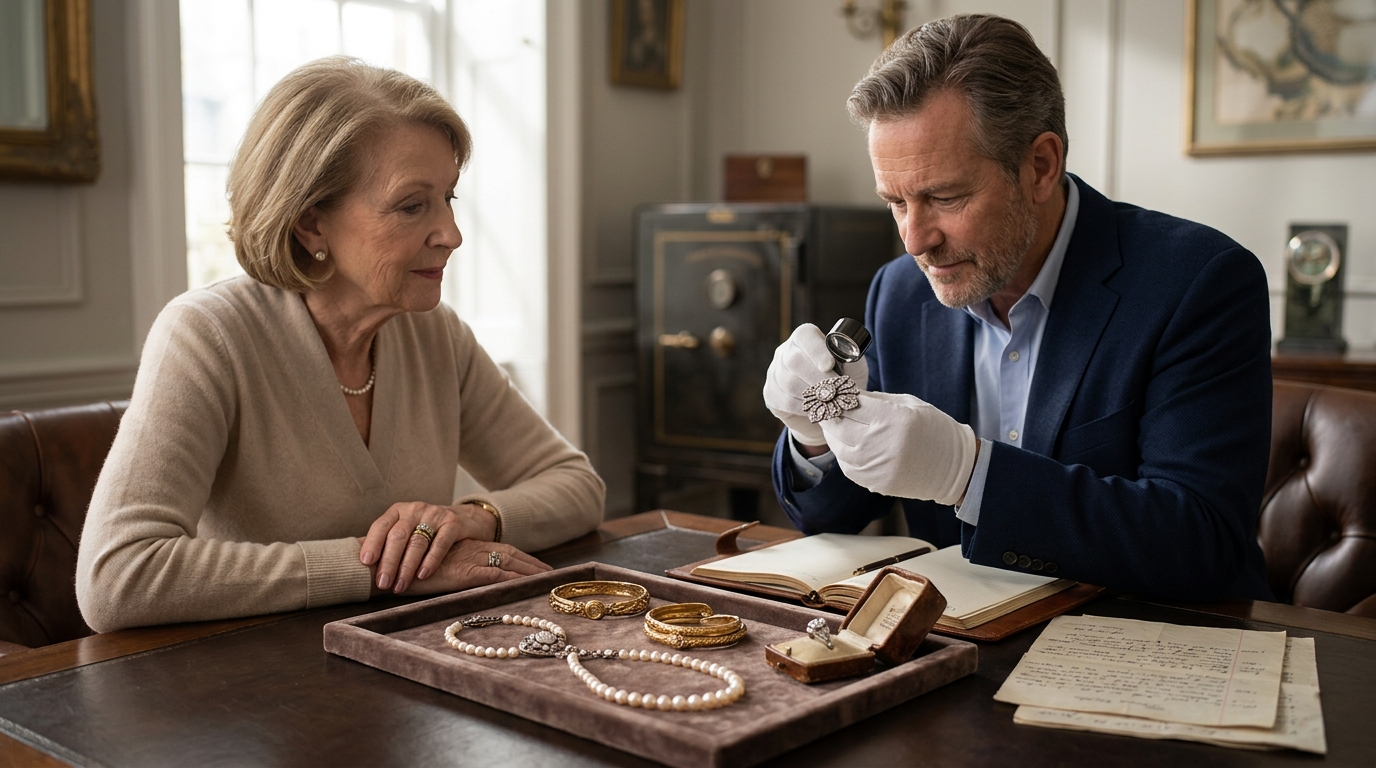
Estates often contain hidden wealth that sits idle in drawers or safes for decades. According to recent industry data, the global pre-owned luxury goods market is projected to reach $36.9 billion by 2026, driven largely by the resale of high-value jewelry and watches. This surge in demand means that estate jewelry is more liquid than ever before. However, realizing that full value requires more than just walking into a pawn shop. It demands a strategic approach to evaluation, documentation, and selection of the right buyer. This guide outlines the seven essential factors you must assess to ensure you receive a fair and competitive offer for your inherited or collected pieces. (Customer Reviews Lake Worth)
Understanding Metal Purity and Hallmarks
The foundation of any estate jewelry valuation is the precious metal content. Gold, silver, platinum, and white gold are the primary drivers of intrinsic value. When examining a piece, look for stamps or hallmarks that indicate purity. For gold, these are typically expressed in karats (e.g., 10k, 14k, 18k, 24k) or parts per thousand (e.g., 585, 750, 999). A hallmark of 750 indicates 18-karat gold, which is 75% pure gold. Platinum pieces are often stamped with "Pt," "Plat," or "950." Silver items usually bear marks like "Sterling," "925," or "Sterling Silver." These marks are critical because they determine the base melt value of the item. (Blog Lake Worth Gold)
Gold is a dense, malleable metal that has served as a currency and store of value for millennia. Its chemical symbol is Au, derived from the Latin word "aurum." Unlike other metals, gold does not tarnish or corrode, which is why estate pieces often retain their luster even after decades of storage. However, the color of the gold can also affect its appeal. Yellow gold is traditional, while white gold is often rhodium-plated to enhance its brightness. Over time, this plating wears off, requiring re-plating to maintain aesthetic value. Platinum, being denser and more durable, often commands a higher premium per ounce than gold, making it a significant factor in high-value estate sales. (Lake Worth Gold Mine)
Evaluating Gemstone Quality and Certification
Gemstones can dramatically increase the value of an estate piece, but their worth is determined by the "Four Cs": Carat weight, Cut, Color, and Clarity. Diamonds are the most commonly appraised gemstones in estate jewelry. A GIA (Gemological Institute of America) certification provides an unbiased assessment of these factors. Without certification, the value of a diamond is subjective and often undervalued by general buyers. For colored stones like sapphires, rubies, and emeralds, origin and treatment history are equally important. A ruby from Myanmar or a sapphire from Kashmir can command prices significantly higher than similar stones from other regions.
Gemstones are minerals or organic materials that have been cut and polished for use in jewelry. They are valued for their rarity, beauty, and durability. The clarity of a gemstone refers to the absence of inclusions or blemishes. Eye-clean stones are generally more valuable than those with visible flaws. The cut determines how well the stone reflects light. A well-cut diamond will sparkle brilliantly, while a poorly cut one may appear dull. When selling estate jewelry, having original receipts or appraisal documents for significant gemstones can substantiate the quality and justify a higher asking price. If you do not have these documents, consider getting a professional appraisal before listing the item.
Assessing Historical Significance and Provenance
Provenance, or the documented history of ownership, can add substantial value to estate jewelry. Pieces from renowned designers, such as Cartier, Van Cleef & Arpels, or Tiffany & Co., often carry a premium due to brand recognition and craftsmanship. Estate jewelry from specific historical periods, such as Art Deco, Victorian, or Edwardian eras, also holds appeal for collectors. Art Deco jewelry, for example, is characterized by geometric shapes and bold colors, reflecting the artistic movements of the 1920s and 1930s. Victorian jewelry, named after Queen Victoria, often features intricate designs and sentimental motifs.
Provenance is the history of ownership of a valued object or work of art. It provides a chain of custody that verifies authenticity and adds historical context. If your estate jewelry includes original boxes, certificates, or letters of authenticity, keep them with the item. These documents serve as proof of origin and can significantly enhance the resale value. For instance, a diamond ring with a GIA report and an original Tiffany box will likely sell for more than the same ring without documentation. Additionally, if the piece has been featured in a museum or owned by a notable figure, this information should be highlighted in any sales listing or appraisal.
Determining Condition and Wear
The physical condition of estate jewelry is a critical factor in its valuation. While some wear is expected in vintage pieces, excessive damage can detract from value. Check for loose stones, worn prongs, thinning bands, and broken clasps. Minor repairs, such as re-tipping prongs or re-plating white gold, can be cost-effective and help maximize the sale price. However, major restorations may not always yield a return on investment, so it is wise to consult with a jeweler before undertaking significant repairs.
Condition refers to the state of preservation and wear of an item. In the context of jewelry, it encompasses the integrity of the metal, the security of the settings, and the overall aesthetic appeal. A piece in "excellent" condition will command a higher price than one in "fair" or "poor" condition. When assessing condition, consider both functional and cosmetic aspects. A ring that fits well and has stones that are secure is more desirable than one that requires immediate repair. Photograph the item from multiple angles to highlight any flaws, as transparency builds trust with potential buyers.
Choosing the Right Buyer
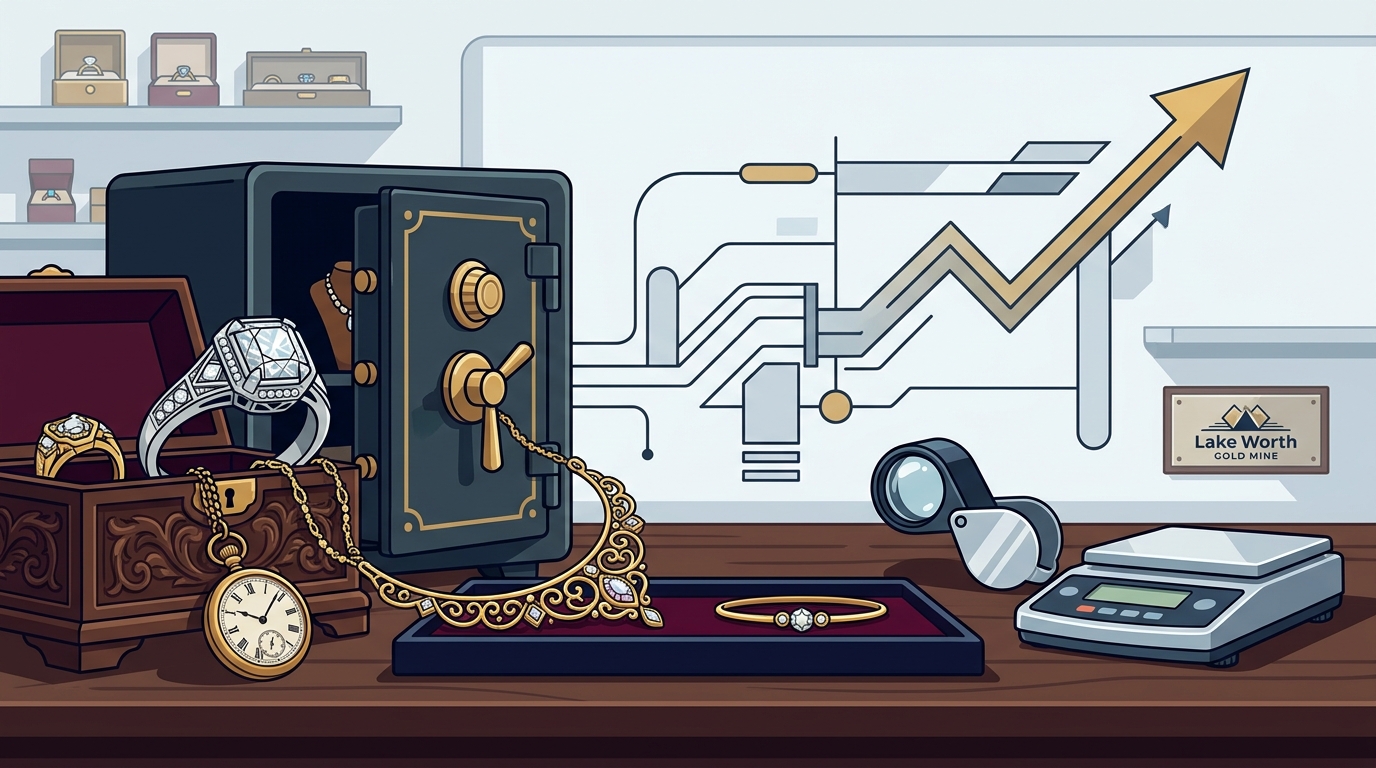
Not all buyers offer the same value for estate jewelry. Pawn shops, online marketplaces, and specialized jewelers each have different pricing models. Pawn shops often offer lower prices because they need to resell the item for a profit quickly. Online marketplaces like eBay or Etsy allow you to reach a global audience but come with fees and the hassle of shipping and authentication. Specialized estate jewelry buyers, such as the Lake Worth Gold Mine, often provide more competitive offers because they have the expertise to resell the items to collectors or melt them for precious metals efficiently.
The Lake Worth Gold Mine has been a trusted name in Palm Beach County for over 15 years, specializing in the purchase of gold, silver, diamonds, watches, and collectibles. Their expertise in evaluating estate jewelry ensures that sellers receive fair market value. Unlike generic buyers, they understand the nuances of vintage designs and the current market trends for specific brands and eras. Visiting a local showroom allows for a face-to-face evaluation, which can lead to a quicker and more transparent transaction. Additionally, they offer daily metal price updates, which helps sellers understand the current value of their precious metals.
Documentation and Appraisals
Having proper documentation is essential for a smooth sale. This includes any original receipts, appraisals, or certificates of authenticity. If these documents are missing, consider obtaining a new appraisal from a certified gemologist or appraiser. An appraisal provides a detailed description of the item, including its weight, dimensions, and quality of materials. It also includes a replacement value, which can be useful for insurance purposes, though it may not reflect the resale value.
An appraisal is a professional estimate of the value of an item, typically for insurance or sale purposes. It is important to distinguish between an insurance appraisal and a market appraisal. An insurance appraisal usually reflects the cost to replace the item with a similar one, which is often higher than the resale value. A market appraisal, on the other hand, reflects what a buyer is willing to pay in the current market. For selling estate jewelry, a market appraisal is more relevant. Ensure that the appraiser is certified by a recognized organization, such as the American Society of Appraisers (ASA) or the Gemological Institute of America (GIA).
Market Trends and Pricing
Understanding current market trends is crucial for pricing estate jewelry correctly. The value of precious metals fluctuates daily based on global economic conditions. Gold prices, for instance, are influenced by factors such as inflation, currency strength, and geopolitical stability. Gemstone prices can also vary based on supply and demand. Rare colored stones may see spikes in value due to limited availability, while diamonds may be affected by synthetic competition.
Market trends refer to the general direction in which a market is moving. In the jewelry industry, trends can shift based on fashion, celebrity influence, and economic factors. For example, vintage Art Deco pieces have seen a resurgence in popularity, leading to higher demand and prices. Similarly, sustainable and ethically sourced jewelry is becoming increasingly important to consumers, affecting the value of estate pieces that can be verified as conflict-free. Staying informed about these trends can help you time your sale for maximum profit. Monitoring daily metal prices and consulting with experts can provide valuable insights into the current market landscape.
Key Takeaways
- Metal Purity Matters: Always check for hallmarks indicating gold karat or platinum purity to determine base value.
- Gemstone Certification: GIA or AGS certificates significantly boost diamond value and buyer confidence.
- Provenance Adds Value: Original boxes, receipts, and designer marks can increase resale price by 20-30%.
- Condition is Key: Minor repairs can enhance value, but major restorations may not be cost-effective.
- Choose Specialized Buyers: Experts like Lake Worth Gold Mine offer better rates than general pawn shops.
- Documentation is Essential: Appraisals and certificates provide proof of quality and authenticity.
- Monitor Market Trends: Daily metal prices and fashion trends influence optimal selling times.
Frequently Asked Questions
How do I know if my estate jewelry is valuable?
Look for hallmarks indicating precious metal content, check for designer marks, and assess the quality of any gemstones. Professional appraisals can provide a definitive value.
Should I clean my estate jewelry before selling?
Yes, gentle cleaning can enhance the appearance, but avoid aggressive polishing which can remove valuable patina from vintage pieces. Consult a professional for delicate items.
What is the difference between an appraisal and a market value?
An appraisal typically reflects replacement cost for insurance, while market value reflects what a buyer is willing to pay. For selling, market value is more relevant.
How do I find a reputable buyer for estate jewelry?
Research local jewelers with strong reviews, check for industry certifications, and compare offers from multiple sources. The Lake Worth Gold Mine offers free evaluations for estate pieces.
Can I sell estate jewelry online?
Yes, online marketplaces like eBay or specialized jewelry sites are options, but they come with fees and risks. Local buyers often provide quicker, more secure transactions.
What documents do I need to sell estate jewelry?
Original receipts, appraisals, and certificates of authenticity are helpful but not always required. However, they can significantly increase the offer price.
How are gold prices determined?
Gold prices are determined by global supply and demand, influenced by economic factors, currency values, and geopolitical events. They fluctuate daily.
Ready to Sell Your Estate Jewelry?
Don't let your valuable estate pieces sit idle. Whether you have gold jewelry, diamonds, watches, or collectibles, getting a professional evaluation is the first step to unlocking their true worth. The Lake Worth Gold Mine offers free, no-obligation evaluations for all estate jewelry. Visit our showroom in Palm Beach County or contact us online to schedule your appointment. Experience the difference of working with experts who understand the nuances of the estate jewelry market.
Visit Lake Worth Gold Mine today to get started.