Selling high-value sports memorabilia requires more than just finding a buyer; it demands a partner who understands the nuances of authentication, grading, and market liquidity. The global sports memorabilia market has seen significant volatility, with rare items often commanding premiums that far exceed their face value. According to recent industry data, the average sale price for authenticated vintage sports cards and game-worn jerseys has increased by over 20% in the last three years, driven by a surge in digital collectors. This growth highlights the importance of choosing a venue that offers fair market value rather than a quick, low-ball offer. When you bring your collectibles to a reputable dealer, you ensure that your investment is recognized for its true worth. (Lake Worth Gold Mine)
The Critical Role of Authentication
Authentication is the cornerstone of the sports memorabilia industry. Without verified proof of authenticity, even the most iconic item loses significant market value. A trusted buyer will always prioritize items that have been verified by third-party grading services or possess legitimate provenance. This process protects both the seller and the buyer from fraud, ensuring that the transaction is based on factual data rather than speculation.
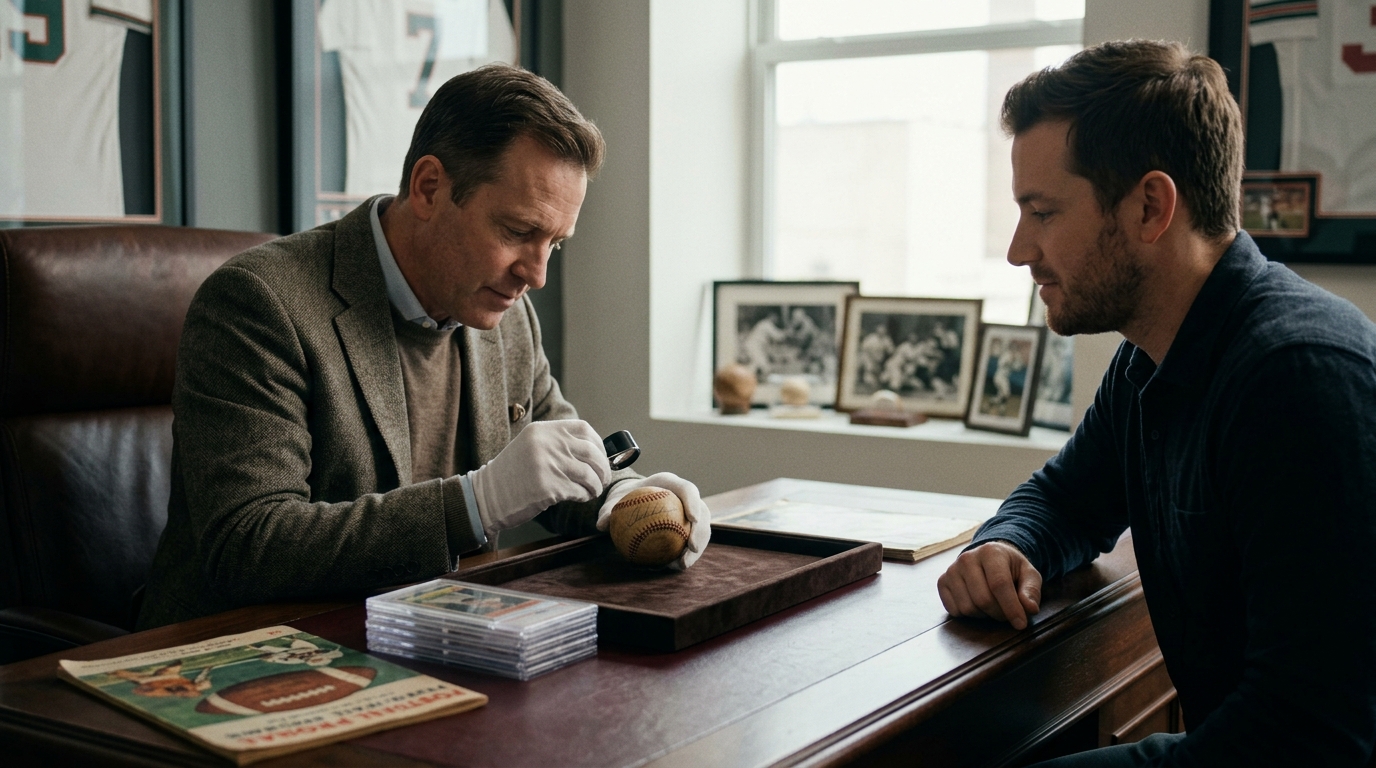
When you visit a specialized store, expect your items to be scrutinized for signs of tampering or forgery. Experts look for specific details such as stitching patterns on jerseys, ink composition on autographs, and the wear patterns on game-used equipment. For example, Lake Worth Gold Mine specializes in evaluating signed crystal, sculptures, and memorabilia, ensuring that every piece is handled with professional care. This level of expertise is rarely found in generalist retail environments.
Furthermore, the presence of a Certificate of Authenticity (COA) can drastically alter the offer price. A trusted buyer will verify the COA against the issuing company's database to confirm its validity. This step is crucial because the memorabilia market is saturated with replicas. By choosing a buyer who understands these verification protocols, you safeguard your financial interests and ensure a smooth transaction.
Understanding the Evaluation Process
The evaluation process for sports memorabilia is distinct from that of precious metals or jewelry, yet it shares the same core principles of accuracy and fairness. A professional evaluator will examine the item's condition, rarity, and historical significance. This assessment is not arbitrary; it is based on recent sales data from major auction houses and private treaty sales.
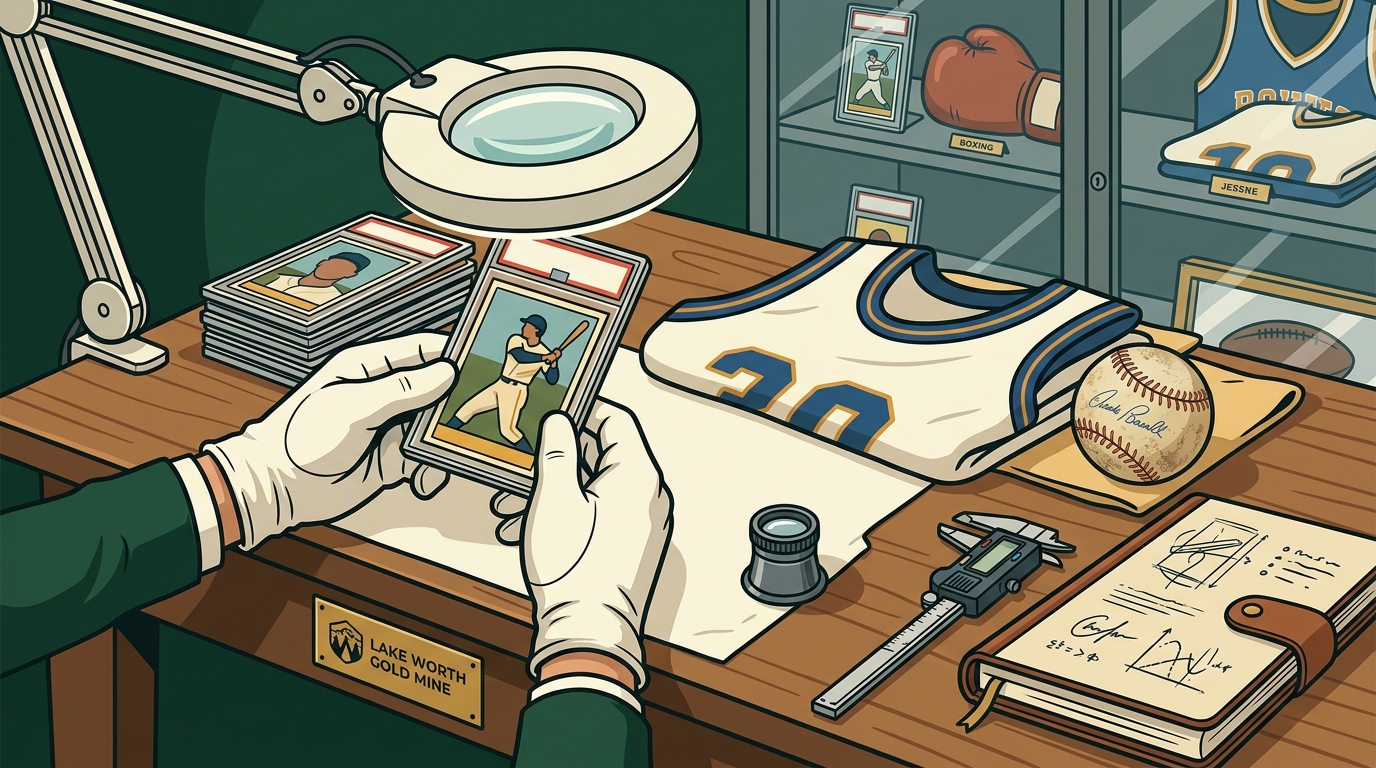
During an in-person evaluation, the buyer will typically sort, test, and weigh your items right in front of you. This transparency builds trust and allows you to ask questions in real-time. For instance, if you are selling a vintage baseball card, the evaluator will check for centering, corners, edges, and surface quality. These factors determine the grade, which directly correlates to the market value. According to market trends, items graded in pristine condition can sell for multiples of their lower-grade counterparts.
It is also important to note that the evaluation should be free of charge. Reputable buyers do not charge for appraisals because they make their profit on the purchase price, not on the service of evaluation. If a buyer asks for an upfront fee, it is a red flag. Instead, look for companies that offer daily market updates to help you understand the current value of your collectibles.
Pawn Shops vs. Specialized Gold Buyers
One of the most common mistakes sellers make is taking their memorabilia to a pawn shop. While pawn shops are convenient, their business model is fundamentally different from that of a specialized collector or precious metals buyer. A pawn broker is in the loan and resale business, meaning they must offer you a price that allows them to make a profit after covering their overhead and risk. This often results in offers that are significantly below market value.
In contrast, specialized buyers like those at Lake Worth Gold Mine focus on acquiring items for resale to a dedicated collector base. This allows them to offer fair market prices that reflect the true demand for the item. Additionally, specialized buyers often have access to a wider network of buyers, including online auction platforms and private collectors, which can drive up the final offer.
| Feature | Pawn Shop | Specialized Buyer |
|---|---|---|
| Primary Business Model | Loans and Resale | Direct Purchase for Collection |
| Pricing Strategy | Low-ball to ensure profit margin | Fair market value based on demand |
| Expertise Level | Generalist | Specialist in specific niches |
| Payment Speed | Immediate | Immediate |
| Transparency | Variable | High (in-person evaluation) |
Transparency in Pricing and Payment
Transparency is non-negotiable when selling high-value items. A trusted buyer will provide a clear breakdown of how the offer was calculated. This includes the current market price of the item, any deductions for condition or authenticity issues, and the final offer amount. This process should be conducted in a private, secure environment to protect your privacy and the security of your items.
Payment should be made immediately upon agreement. Avoid buyers who require you to wait for payment or who offer payment in the form of store credit. Store credit often comes with restrictions and may not be as valuable as cash. According to consumer protection guidelines, you have the right to receive fair compensation for your goods without being coerced into unfavorable terms.
Additionally, a reputable buyer will be licensed and bonded. This ensures that they are operating within legal frameworks and are accountable for their transactions. For example, Lake Worth Gold Mine has been licensed and bonded with Palm Beach County and the State of Florida for over 15 years, providing customers with peace of mind. This longevity is a strong indicator of reliability and customer satisfaction.
Key Factors for Selecting a Buyer
When choosing a buyer for your sports memorabilia, consider the following factors to ensure you get the best possible deal:
- Reputation: Look for companies with a long history of positive customer reviews. Customer reviews provide insight into the experiences of previous sellers.
- Expertise: Ensure the buyer specializes in the type of memorabilia you are selling. Generalists may not recognize the value of niche items.
- Transparency: Choose a buyer who explains their pricing process clearly and offers fair market value.
- Convenience: Visit a local store that is easy to access and offers a secure evaluation environment.
- Payment Terms: Opt for buyers who offer immediate cash payment rather than delayed or credit-based options.
Key Takeaways
- Authentication is essential for maximizing the value of sports memorabilia.
- Specialized buyers offer fair market value, unlike pawn shops that prioritize loan margins.
- In-person evaluations provide transparency and build trust between the seller and buyer.
- Licensed and bonded businesses ensure legal compliance and consumer protection.
- Immediate cash payment is the standard for reputable transactions.
- Customer reviews and company history are strong indicators of reliability.
- Understanding market trends helps sellers set realistic expectations for their items.
Frequently Asked Questions
How do I know if my sports memorabilia is authentic?
Authenticity is determined by third-party grading services or verified certificates of authenticity. A trusted buyer will have the expertise to verify these documents and inspect the item for signs of forgery.
Can I sell my sports memorabilia if I don't have the original packaging?
Yes, but the value may be lower. Original packaging and documentation can significantly increase the market value of collectibles. However, specialized buyers can still offer fair prices for items without packaging.
What is the difference between a pawn shop and a gold buyer?
A pawn shop primarily offers loans and resells items at a markup, while a gold buyer or specialized collector purchases items at fair market value for resale to a dedicated audience. Specialized buyers typically offer higher payouts.
How long does the evaluation process take?
The evaluation process is usually quick, often taking less than an hour. The buyer will inspect the item, verify its authenticity, and provide an offer based on current market data.
Do I need to bring identification to sell my items?
Yes, most reputable buyers require identification to comply with local and state regulations. This helps prevent the sale of stolen goods and ensures a secure transaction.
What types of sports memorabilia do you buy?
Trusted buyers typically purchase a wide range of items, including signed jerseys, game-used equipment, vintage cards, and rare collectibles. Lake Worth Gold Mine buys signed crystal, sculptures, and memorabilia.
Is the evaluation free?
Yes, reputable buyers offer free evaluations. They make their profit on the purchase price, not on the appraisal service.
Contact Lake Worth Gold Mine
If you are looking for a trusted buyer for your sports memorabilia, visit Lake Worth Gold Mine today. Located at 8100 Lake Worth Road in Lake Worth, FL, we offer fair market value for your collectibles, jewelry, and precious metals. Our team of experts is ready to provide a free, no-obligation evaluation. Contact us at 561-729-0094 to schedule your appointment.