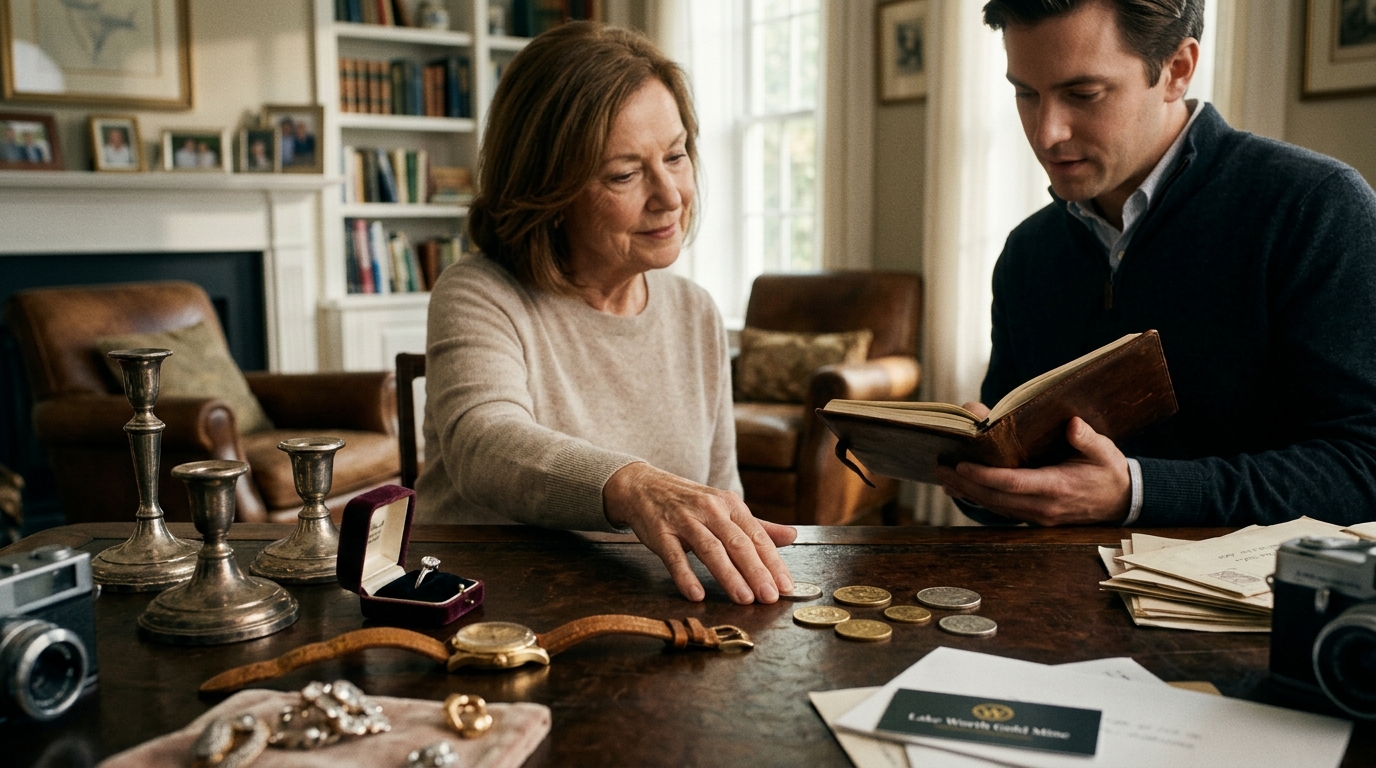
Selling inherited estate items is often one of the most emotionally complex financial tasks a person can face. According to recent industry data, the global estate jewelry market is projected to grow significantly, with many families holding millions in unliquidated assets. This guide provides a structured approach to navigating the sale of gold, silver, diamonds, watches, and collectibles while maximizing your return and honoring the legacy of the deceased.
Understanding Your Estate Assets
Estate items encompass a wide range of valuable goods, from precious metals to rare collectibles. Gold is a dense, yellow precious metal that has served as a store of value for millennia. Silver is a highly conductive white metal often found in jewelry and bullion forms. Diamonds are crystalline structures composed of carbon, valued for their durability and brilliance.
When dealing with an estate, it is crucial to categorize items correctly. Estate jewelry may include pieces from different eras, each with distinct market values. Fine watches, whether luxury Swiss brands or vintage American timepieces, require specialized knowledge to appraise accurately. Coins and bullion are valued primarily by weight and purity, while collectibles depend heavily on condition and rarity.
Many families overlook the value of everyday items. Even outdated or broken gold jewelry holds intrinsic metal value. Similarly, estate silverware, often made of sterling silver, contains significant bullion content. Recognizing these categories is the first step toward a successful sale.
Professional Valuation Methods
Accurate valuation is the cornerstone of a profitable estate sale. Without a professional assessment, you risk underselling high-value items or overestimating common pieces. There are three primary methods for determining the worth of estate assets.
1. Spot Price Analysis
For bullion and scrap gold, the value is tied directly to the daily spot price of metals. This price fluctuates based on global market conditions. Platinum is a rare, silvery-white transition metal used in jewelry and industrial applications. Its value often exceeds that of gold, making it critical to identify platinum items correctly. Daily metal prices can be tracked through financial news outlets and commodity exchanges.
2. Gemological Appraisal
Diamonds and colored stones require a gemological appraisal. This process evaluates the "Four Cs": Carat weight, Cut, Color, and Clarity. A certified gemologist can provide a detailed report that significantly impacts the resale value. Appraisal is the formal process of determining the fair market value of an asset. This document is essential for insurance purposes and for negotiating with buyers.
3. Collectible Market Analysis
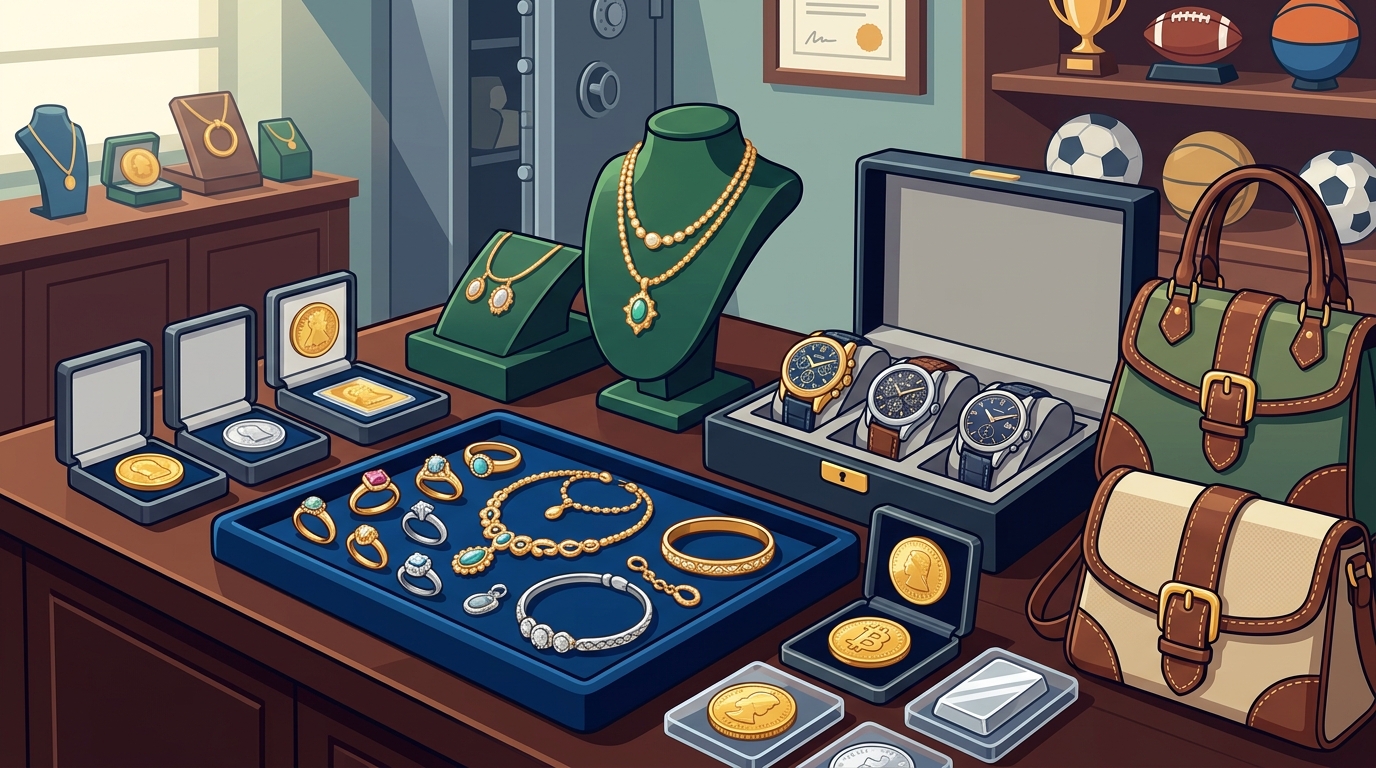
Coins, watches, and designer handbags are valued based on collector demand. Rarity, provenance, and condition are key factors. For example, a coin in mint state condition can be worth exponentially more than a circulated one. Similarly, a vintage Rolex in original condition commands a premium over a restored piece.
Comparing Selling Channels
Choosing the right channel to sell your inherited items depends on the type of asset, the desired speed of sale, and the potential return. Below is a comparison of the most effective methods.
| Channel | Best For | Pros | Cons |
|---|---|---|---|
| Local Gold Buyers | Gold, Silver, Diamonds, Watches | Immediate payment, no shipping risk, expert on-site evaluation | Limited to local area, potential for lower offers if not vetted |
| Online Marketplaces | Coins, Collectibles, Niche Jewelry | Access to global buyers, potential for higher prices | Shipping risks, fees, time-consuming listing process |
| Auction Houses | High-Value Antiques, Rare Coins | Access to serious collectors, marketing expertise | High commission fees, slow payment process |
Local Gold and Coin Buyers
Selling to a reputable local buyer offers the fastest and most secure route for most estate items. Companies like the Lake Worth Gold Mine specialize in evaluating a wide range of assets in person. This method eliminates the risk of shipping high-value items through the mail. You receive a free evaluation and immediate payment upon agreement.
Local buyers often have deep expertise in both precious metals and collectibles. They can provide instant feedback on the condition and marketability of your items. This is particularly useful for estate jewelry, where the buyer can assess the quality of stones and the integrity of the metal.
Online Marketplaces
Online platforms like eBay provide access to a vast audience of collectors. This is ideal for niche items that may not have local demand. Estate coins and collectibles often find their best price on these platforms. However, sellers must handle photography, listing, customer service, and shipping.
While online sales can yield higher returns, they require significant time and effort. Fees from the platform and payment processors can eat into profits. Additionally, there is always a risk of fraud or disputes over item condition.
Auction Houses
For high-value or rare items, auction houses can be a powerful tool. They specialize in marketing to serious collectors who are willing to pay premium prices. This method is best for items with significant historical or artistic value.
Auctions are not suitable for everyday estate items. The commission fees are typically high, and the timeline for payment can be lengthy. However, for a rare diamond or a vintage luxury watch, the potential upside can be substantial.
Preparation and Documentation
Proper preparation can significantly increase the value of your estate items. Start by organizing all documents related to the deceased, including wills, insurance policies, and previous appraisals. These documents can provide crucial information about the origin and value of items.
Clean your items gently. Dirt and grime can obscure the true quality of jewelry and coins. However, avoid aggressive cleaning, which can damage delicate pieces. For valuable items, consider having them professionally cleaned and polished before sale.
Take clear, high-resolution photographs of all items. Include close-ups of hallmarks, serial numbers, and any unique features. These photos are essential for online listings and for providing to appraisers. Keep a detailed inventory list with descriptions and estimated values.
Key Takeaways
- Immediate Value: Gold, silver, and platinum have intrinsic metal value that fluctuates with daily market prices.
- Professional Appraisal: Diamonds and rare collectibles require expert evaluation to determine true market worth.
- Local Expertise: Reputable local buyers offer immediate payment and eliminate shipping risks for high-value items.
- Documentation: Keep all original receipts, appraisals, and provenance documents to support your claims.
- Multiple Channels: Consider a mix of local sales, online marketplaces, and auctions for optimal returns.
- Emotional Detachment: Focus on the financial value and legacy preservation rather than emotional attachment.
- Security: Always verify the reputation and licensing of any buyer or auction house before transacting.
Frequently Asked Questions
How do I determine the value of inherited gold jewelry?
The value is determined by the weight of the gold, its purity (karat), and the current spot price. A local buyer can provide an instant, accurate assessment.
Is it better to sell estate items locally or online?
Local sales are faster and safer for precious metals and diamonds. Online sales may yield higher prices for niche collectibles but involve more risk and effort.
What documents do I need to sell inherited items?
You typically need proof of ownership, such as a death certificate or will. Previous appraisals or receipts can help establish value but are not always required.
Can I sell broken gold jewelry?
Yes, broken gold jewelry still has significant metal value. Reputable buyers will purchase it based on its weight and purity.
How long does the selling process take?
Local sales can be completed in a single visit. Online sales may take weeks to list and sell. Auctions can take months from consignment to payment.
What is a Florida Goldback?
A Florida Goldback is a unique currency note made of .999 pure gold, often used as a collectible or gift item.
Do I need to clean estate items before selling?
Gentle cleaning is recommended to remove dirt, but avoid harsh chemicals or abrasive materials that could damage the item.
Contact Us for a Free Evaluation
Navigating the sale of inherited estate items can be overwhelming. Let the experts at Lake Worth Gold Mine help you. We offer free, no-obligation evaluations for gold, silver, diamonds, watches, and collectibles. Visit our showroom or contact us online to get started.
Click here to visit Lake Worth Gold Mine and schedule your appointment today.