
Selling gold coins locally is a straightforward process, but it requires strict adherence to federal regulations designed to prevent money laundering and fraud. According to the Internal Revenue Service (IRS), dealers are legally mandated to verify the identity of anyone selling precious metals. This means you cannot simply walk into a shop and hand over your coins without proper identification. The process is designed to protect both the buyer and the seller, ensuring that the transaction is transparent and compliant with the Financial Crimes Enforcement Network (FinCEN) guidelines. Understanding these requirements beforehand will save you time and ensure you receive your payment quickly.
Identification Requirements
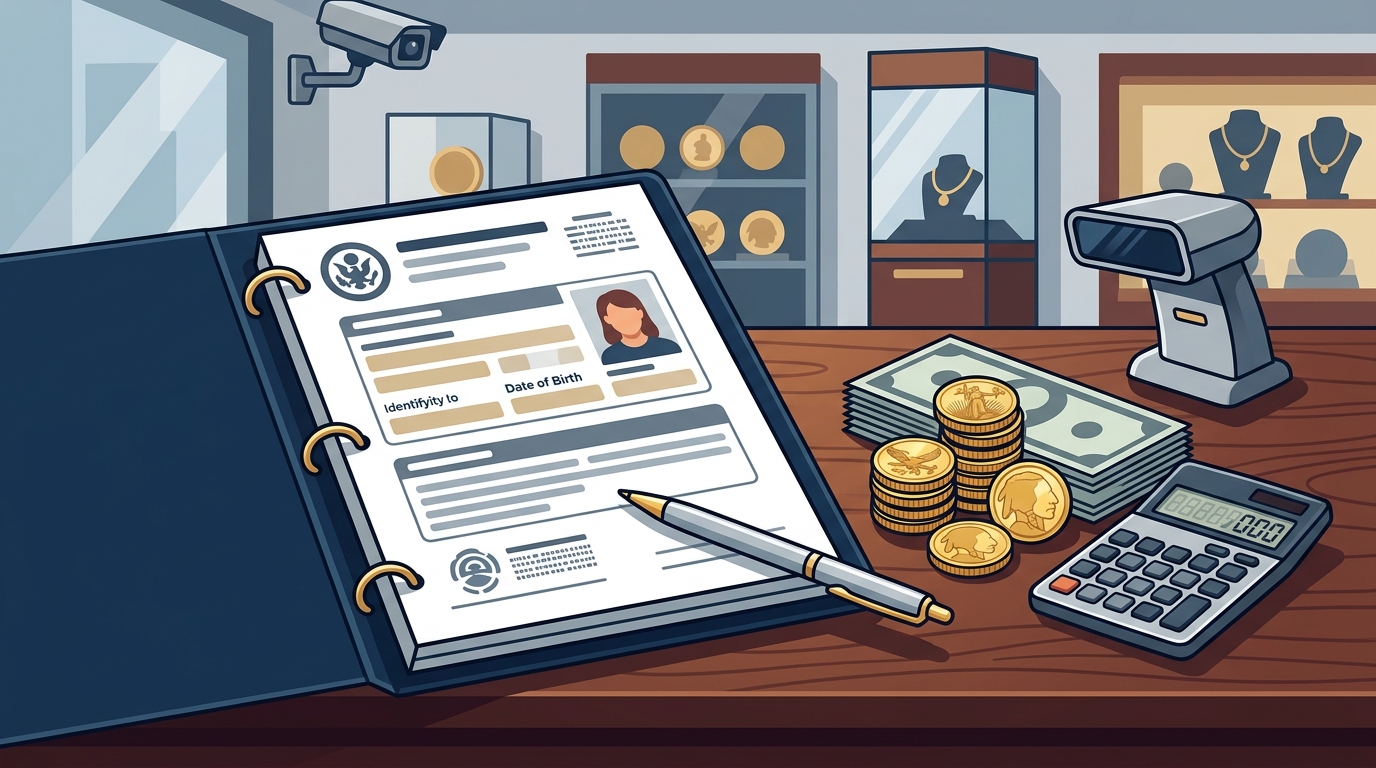
The most critical document you will need is a valid, government-issued photo identification. This is non-negotiable for any reputable gold buyer. The identification must be current and unexpired. Acceptable forms of ID typically include a driver's license, state-issued ID card, passport, or military ID. The purpose of this requirement is to create a paper trail that links the seller to the transaction.
When you visit a local dealer, expect to provide your full legal name, date of birth, and physical address. The dealer will likely photocopy your ID or scan it into their secure system. This data is stored for a minimum of five years, as required by federal law. If your ID is expired, the dealer is legally prohibited from purchasing your gold coins. In such cases, you must obtain a renewed ID before proceeding with the sale.
Some dealers may also require a secondary form of identification if the primary ID is missing key details, such as a current address. This is a standard security measure to prevent identity theft. Always bring your most recent and complete identification documents to avoid delays. For more information on the types of coins dealers accept, you can explore our coin buying services.
Proof of Ownership and Source
While a photo ID is the primary document, you may also need to provide proof of ownership. This is particularly important for high-value transactions or if the coins were recently acquired. Proof of ownership can take several forms, including a receipt from a previous purchase, a notarized letter of inheritance, or a bill of sale from a private party. This documentation helps establish that the coins are not stolen property.
If you inherited the coins, a copy of the will or a death certificate may be required. This is especially true if the estate is being settled and the coins are part of the liquidation process. Dealers are trained to spot suspicious patterns, such as a sudden influx of high-value coins from a new seller. Providing clear documentation of the source can expedite the evaluation process and build trust with the dealer.
In some cases, if you cannot provide proof of ownership, the dealer may still purchase the coins but will hold the funds in escrow for a period of time. This allows them to verify the legitimacy of the transaction. However, this process can delay your payment by several days. To avoid this, always attempt to gather any available records of where you acquired the coins. You can also check our daily metal prices to understand the current market value of your items.
Tax Implications and Reporting
Selling gold coins can have tax implications that you must be aware of. In the United States, precious metals are considered collectibles by the Internal Revenue Service (IRS). This means that capital gains taxes may apply if you sell the coins for more than you paid for them. The tax rate for collectibles is generally higher than the standard long-term capital gains rate.
For transactions exceeding a certain threshold, dealers are required to file a Form 8300 with the IRS. This form reports cash payments received in a trade or business. If you are selling a large amount of gold, you may receive a copy of this form for your records. It is crucial to keep accurate records of your purchase price, known as your cost basis, to calculate your taxable gain correctly.
If you are unsure about your tax obligations, it is advisable to consult with a tax professional. They can help you understand how the sale of your gold coins affects your overall tax situation. Remember that the dealer is not responsible for providing tax advice. They are only responsible for reporting the transaction to the government. For more details on our buying policies, visit our customer reviews page to see what others have experienced.
Preparation Tips for a Smooth Sale
Preparing your gold coins for sale can significantly impact the speed and accuracy of the transaction. First, ensure that your coins are clean but not polished. Polishing can damage the numismatic value of the coins. Simply wipe them gently with a soft cloth to remove dirt and oils. Avoid using harsh chemicals or abrasive materials that could scratch the surface.
Organize your coins by type, date, and mint mark. This helps the dealer evaluate them more efficiently. If you have rare or valuable coins, consider bringing any existing grading certificates or encapsulation slabs. These documents provide an independent assessment of the coin's condition and authenticity. Having this information ready can lead to a higher offer and a faster sale.
Finally, do your research on the current spot price of gold. This will give you a baseline for negotiations. While the dealer's offer will include a premium or discount based on the coin's condition and rarity, knowing the market rate empowers you to make an informed decision. You can also look at our eBay coin store for examples of similar coins and their market values.
Service Comparison
Choosing the right place to sell your gold coins is just as important as having the correct documents. Below is a comparison of common selling methods to help you decide which option is best for your needs.
| Selling Method | Speed of Payment | Convenience | Typical Payout |
|---|---|---|---|
| Local Coin Dealer | Immediate | High | High |
| Online Mail-In Service | 3-5 Days | Medium | Medium |
| Auction House | Weeks | Low | Variable |
| Private Sale | Variable | Low | High |
Local dealers like the Lake Worth Gold Mine offer immediate payment and the ability to inspect your coins in person. This reduces the risk of loss or damage during shipping. Additionally, you can build a relationship with the dealer for future transactions. For more information on our services, check out our 15 Year Celebration page.
Key Takeaways
- A valid, government-issued photo ID is mandatory for selling gold coins locally.
- Proof of ownership, such as receipts or inheritance documents, may be required for high-value items.
- Dealers are required to file Form 8300 for large cash transactions over $10,000.
- Capital gains tax applies to the profit made from selling collectible coins.
- Clean coins gently without polishing to preserve their numismatic value.
- Local dealers offer immediate payment and in-person inspection for greater security.
- Research current spot prices to negotiate a fair offer for your gold.
Frequently Asked Questions
What happens if I don't have a valid ID?
You will not be able to sell your gold coins. Dealers are legally required to verify your identity before completing any transaction. Without a valid ID, the sale cannot proceed.
Do I need to pay taxes on selling gold coins?
Yes, if you sell the coins for more than you originally paid, you may owe capital gains tax. Consult a tax professional for advice specific to your situation.
Can I sell gold coins without proof of ownership?
Yes, but the dealer may hold the funds in escrow for a period of time to verify the source of the coins. This can delay your payment.
How do I prepare my coins for sale?
Clean them gently with a soft cloth. Do not polish them. Organize them by type and bring any existing grading certificates or receipts.
What is the minimum ID requirement?
A current, unexpired government-issued photo ID, such as a driver's license or passport, is the standard requirement.
Do local dealers offer better prices than online services?
Often, yes. Local dealers can inspect the coins in person, which may result in a more accurate and higher offer. They also provide immediate payment.
Is my personal information safe with the dealer?
Reputable dealers are required to protect your data in compliance with federal regulations. Your information is stored securely and used only for legal reporting purposes.
Contact Us
Ready to sell your gold coins? Visit the Lake Worth Gold Mine for a professional and secure evaluation. We are located in Palm Beach County and have been serving the community for over 15 years. Bring your ID and your coins, and we will provide a fair, immediate offer. Contact us today at lakeworthgoldmine.com or call 561-729-0094 to schedule your appointment.