Finding a Trusted Buyer for Sports Memorabilia
The global sports memorabilia market has experienced explosive growth in recent years. According to a 2023 report by Grand View Research, the global sports memorabilia market size was valued at approximately USD 1.2 billion in 2022 and is expected to expand at a compound annual growth rate of 10.5% from 2023 to 2030. This surge in value means that selling your collection can be a lucrative endeavor, but only if you choose the right partner. Many sellers lose significant money by partnering with unverified buyers or using platforms that lack proper authentication protocols. Finding a trusted buyer requires more than just finding the highest initial offer; it demands a partner who prioritizes transparency, security, and fair market valuation. (Lake Worth Gold Mine)
The Critical Role of Authentication
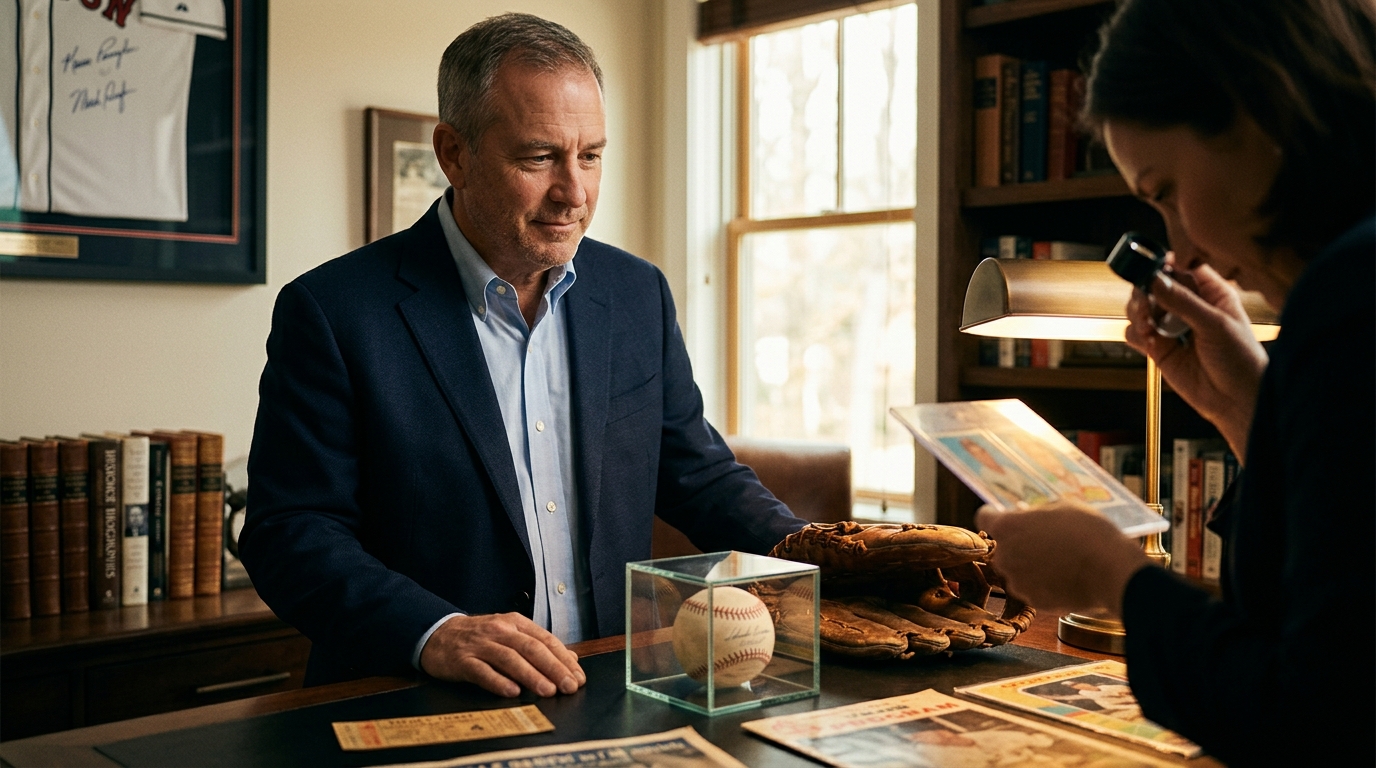
When dealing with high-value items, authenticity is the single most important factor in determining value. A signed jersey from a Hall of Famer is worth a fraction of its price if the signature is questionable. This is why working with a buyer who has established relationships with top-tier authentication services is non-negotiable. Trusted buyers often have in-house experts or direct lines to organizations like the Professional Sports Authenticator (PSA) or the Beckett Authentication Services (BAS). These organizations provide certificates of authenticity that protect both the seller and the buyer. Without this layer of verification, you risk selling your item for a fraction of its true worth or, worse, having it rejected entirely during the appraisal process. (Blog Lake Worth Gold)
Furthermore, authentication protects you from fraud. The secondary market is rife with counterfeit items. A reputable buyer will not only verify the item but also ensure that the chain of custody is clear. This is particularly important for vintage items where provenance can be difficult to trace. By choosing a buyer who prioritizes these standards, you ensure that your transaction is secure and that you receive a fair price based on verified data. For more information on how authentication impacts market value, you can review industry standards set by the Professional Sports Authenticator. (Lake Worth Gold Mine)
Local Experts vs. Online Marketplaces
One of the first decisions you must make is whether to sell locally or through an online platform. Each option has distinct advantages and disadvantages. Online marketplaces like eBay or specialized auction houses offer a global audience, which can drive up prices for rare items. However, they often come with high commission fees, shipping risks, and the hassle of managing listings and customer service. Additionally, the time it takes to receive payment can be lengthy, especially if the item requires third-party authentication before the sale is finalized.
In contrast, local experts offer immediate liquidity and personal interaction. A local buyer can inspect your items in person, provide an on-the-spot offer, and pay you immediately. This eliminates the risk of shipping damage or fraud. Moreover, local businesses often have a deeper understanding of the regional collector base, which can be beneficial for items that are popular in specific geographic areas. For instance, a local buyer in Florida might have a strong network of collectors interested in specific team memorabilia. You can explore the services offered by local specialists by visiting the Lake Worth Gold Mine What We Buy page to see how they handle various collectible categories.
Understanding the Evaluation Process
A transparent evaluation process is the hallmark of a trusted buyer. When you bring your sports memorabilia for an appraisal, the buyer should explain exactly how they arrived at their offer. This typically involves checking the current spot market prices for similar items, assessing the condition of the piece, and verifying the authenticity of signatures or stamps. The condition of the item is particularly critical. A jersey in pristine condition will command a significantly higher price than one with visible wear or damage. Buyers should use standardized grading scales to ensure consistency and fairness.
It is also important to understand how the buyer sources their pricing data. Reputable buyers use real-time data from recent sales of comparable items, not just asking prices. Asking prices can be inflated and do not reflect what buyers are actually willing to pay. By using actual sold data, a trusted buyer ensures that the offer you receive is realistic and achievable. For daily updates on market trends and pricing data, you can check resources like the Heritage Auctions price database.
Red Flags to Avoid
Not all buyers are created equal. There are several red flags that indicate a buyer may not be trustworthy. One major warning sign is a buyer who refuses to provide a written offer or detailed breakdown of their valuation. If a buyer pressures you to sign a contract quickly without giving you time to review the terms, walk away. Another red flag is a buyer who offers a price significantly higher than the market average. This is often a tactic to lure sellers in, only to reduce the offer after the item has been inspected or shipped. Always compare offers from multiple sources before making a decision.
Additionally, be wary of buyers who do not have a physical location or clear contact information. A legitimate business will have a verifiable address and phone number. They should also be licensed and bonded, which provides an extra layer of security for your transaction. You can verify the credentials of a local business by checking their customer reviews and business credentials online. Trustworthy buyers are transparent about their fees, licensing, and evaluation methods.

Comparison of Selling Options
To help you make an informed decision, here is a comparison of the most common options for selling sports memorabilia:
| Option | Pros | Cons | Best For |
|---|---|---|---|
| Local Cash Buyer | Immediate payment, no shipping risk, personal inspection | Limited to local market demand | Quick sales, high-value items needing immediate liquidity |
| Online Auctions | Global audience, potential for higher bids | High fees, slow payment, shipping risks | Rare items with niche global appeal |
| Consignment Shops | Professional marketing, no upfront cost | Longer time to sell, commission fees | High-value items that can wait for the right buyer |
| Private Sale | Full control over price, no fees | Time-consuming, risk of fraud | Experienced sellers with established networks |
Key Takeaways
- Authentication is Key: Always verify the authenticity of your items through recognized services like PSA or BAS before selling.
- Local Experts Offer Speed: Local buyers provide immediate cash and eliminate shipping risks, making them ideal for quick transactions.
- Beware of High Offers: Offers significantly above market value are often bait; always compare multiple quotes.
- Check Credentials: Ensure your buyer is licensed, bonded, and has a physical location you can visit.
- Understand Pricing Data: Reputable buyers use actual sold data, not just asking prices, to determine fair market value.
- Read Reviews: Customer feedback is a reliable indicator of a buyer's trustworthiness and service quality.
- Get Multiple Quotes: Never settle for the first offer; always seek at least three evaluations to ensure you get the best price.
Frequently Asked Questions
How do I know if my sports memorabilia is authentic?
You can determine authenticity by having your items evaluated by a certified expert or by submitting them to a third-party authentication service like PSA or BAS. These organizations provide certificates that verify the legitimacy of signatures and items.
What is the fastest way to sell sports memorabilia?
Selling to a local cash buyer is typically the fastest method. They can inspect your items in person and provide payment on the spot, eliminating the delays associated with shipping and online auctions.
Are online marketplaces safe for selling collectibles?
Online marketplaces can be safe if you use reputable platforms with buyer and seller protection policies. However, they often come with higher fees and longer payment times compared to local buyers.
How are sports memorabilia items valued?
Items are valued based on their authenticity, condition, rarity, and current market demand. Buyers use recent sales data of comparable items to determine a fair price.
Do I need to ship my items to sell them?
If you choose a local buyer, you do not need to ship your items. You can bring them to their physical location for inspection and payment. This reduces the risk of damage or loss during transit.
What documents do I need to sell my memorabilia?
You typically need a valid government-issued ID to prove your identity. If you have previous authentication certificates or proof of purchase, bring those as well, as they can help establish provenance.
Can I sell broken or damaged memorabilia?
Yes, many buyers will still purchase damaged items, but the value will be significantly lower. The extent of the damage and the rarity of the item will determine the final offer.
Get Your Free Evaluation Today
Don't leave money on the table by selling to an unverified buyer. Take the first step toward a secure and profitable transaction by visiting a trusted local expert. The Lake Worth Gold Mine offers free, no-obligation evaluations for your sports memorabilia, coins, and collectibles. Our team of experienced buyers is ready to provide you with a fair, transparent offer based on current market data. Visit us at 8100 Lake Worth Road, Lake Worth, FL 33467 or call 561-729-0094 to schedule your appointment. Experience the difference of working with a family-owned business that values honesty and integrity.