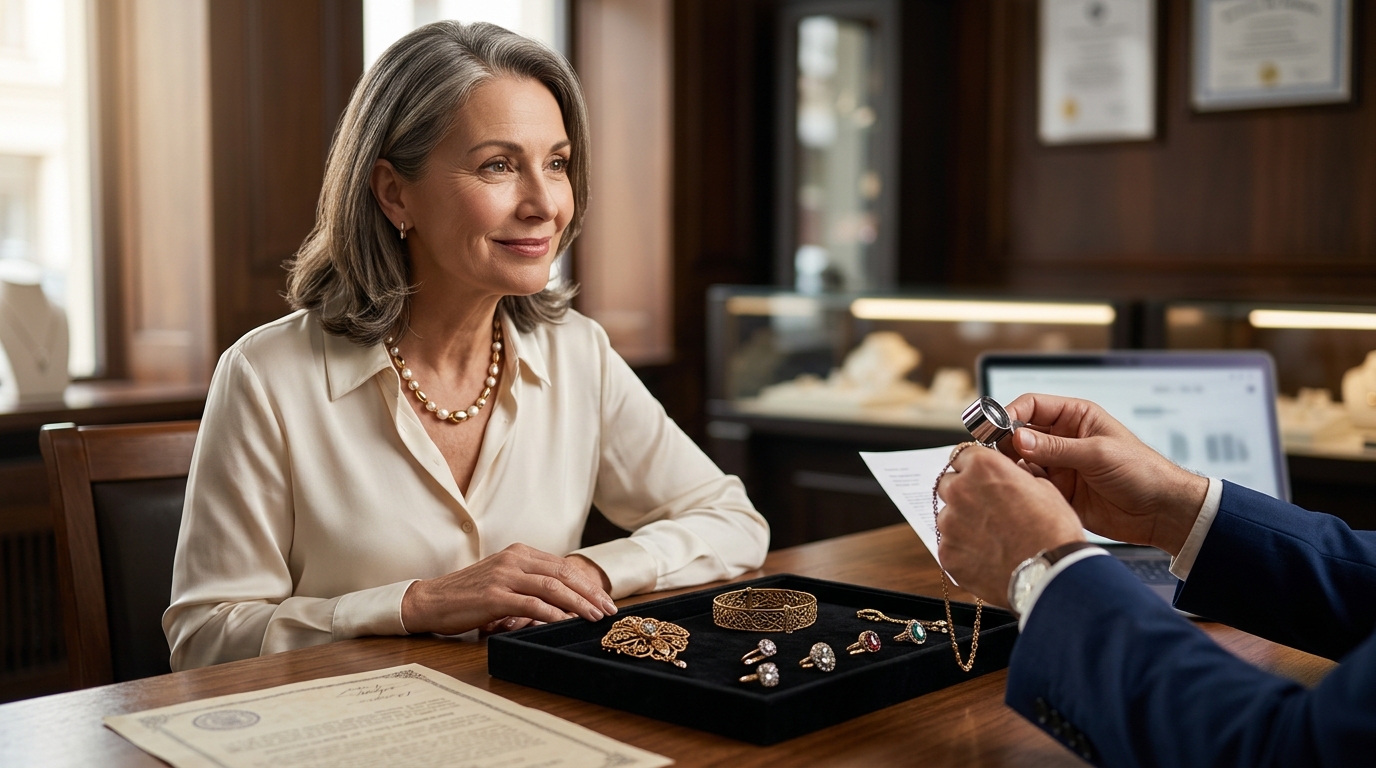
Verify a gold buyer's license by checking their state and local business registration, second-hand dealer permit, and weighing device certification. In Florida, you can confirm these credentials through the Department of Agriculture and Consumer Services and local county tax collector offices. This verification protects your estate jewelry from fraud and ensures fair market valuation.
Understanding Florida Second-Hand Dealer Regulations
Florida law requires businesses that purchase used personal property to hold specific licenses. A second-hand dealer license is a state-issued permit that authorizes a business to buy, sell, or exchange used items, including jewelry and precious metals. Without this license, a business is operating illegally and may not provide a valid receipt for your transaction. The Florida Department of Agriculture and Consumer Services oversees these registrations, ensuring that dealers comply with state laws regarding the purchase of used goods.
When you visit a local shop, you should see their license number displayed prominently in the store. For example, the Lake Worth Gold Mine displays its Palm Beach County license number and second-hand dealer permit in its showroom. This transparency allows customers to verify the business's legal standing before handing over valuable estate pieces. If a dealer refuses to show their license or provides a vague answer, it is a significant red flag that warrants walking away.
Checking Local County and State Records
Statewide licenses are only one part of the verification process. Local counties in Florida, such as Palm Beach County, require businesses to register with the local tax collector or sheriff's office. You can verify these local registrations by contacting the county's tax collector's office or checking their online business directory. This local registration ensures that the dealer is paying the appropriate local taxes and adhering to county-specific regulations for second-hand dealers.
For instance, a dealer in Lake Worth must be registered with the Palm Beach County Tax Collector. You can call the office or visit their website to confirm that the business name matches the license holder. This step is crucial because some unlicensed operators may use a legitimate business name to deceive customers. By cross-referencing the business name with the county records, you can confirm that the entity you are dealing with is legally authorized to purchase your estate jewelry.
Verifying Weighing and Measuring Device Permits
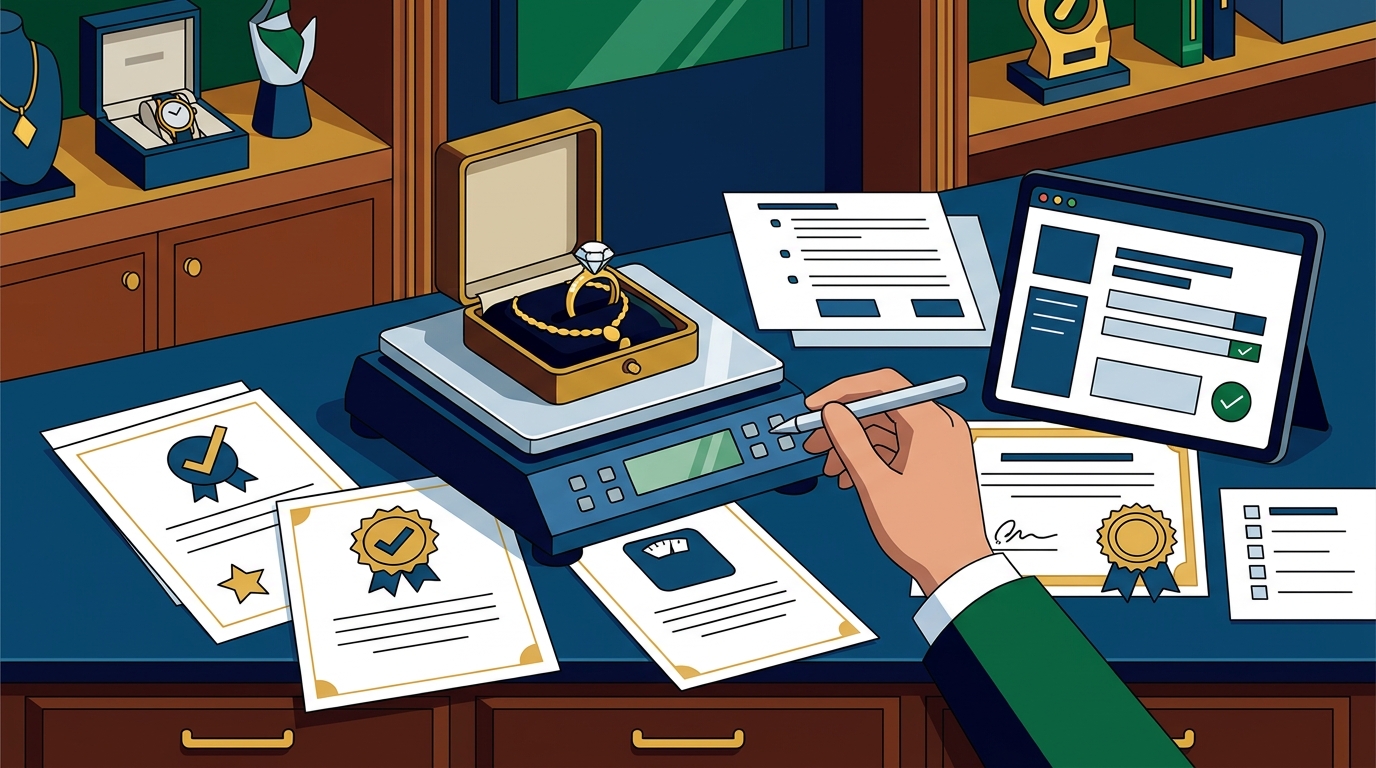
Precious metals are sold by weight, making the accuracy of the scale a critical factor in your transaction. A weighing and measuring device permit is a certification issued by the state that ensures the scales used by a dealer are accurate and calibrated. In Florida, this permit is issued by the Department of Agriculture and Consumer Services. You should ask to see this permit number, which is often displayed near the scale or on the license wall.
For example, the Lake Worth Gold Mine holds a specific weighing and measuring device permit number, which is listed on their customer reviews page. This permit guarantees that the weight of your gold or silver items is measured accurately, preventing underweighting fraud. If a dealer does not have a valid permit, their scale may be tampered with, resulting in a lower payout than you deserve. Always insist on seeing the permit number and verify it with the state if you are unsure.
Identifying Red Flags in Unlicensed Operations
Unlicensed dealers often exhibit specific behaviors that signal a lack of legitimacy. One common red flag is the refusal to provide a detailed receipt that includes the license number, weight, purity, and price per ounce. Another sign is a location that is not a permanent, secure storefront, such as a pop-up shop or a home-based operation without proper signage. These operations may lack the security and regulatory oversight required for handling high-value estate jewelry.
Additionally, be wary of dealers who pressure you to sell immediately or offer prices significantly higher than the current spot market price. While a fair offer is expected, an abnormally high price may indicate a scam where the dealer plans to resell the items illegally or use them for fraudulent purposes. By staying calm and verifying the license, you can avoid these traps and ensure a safe transaction.
Why Licensed Dealers Offer Better Value
Licensed dealers are subject to strict regulations that protect both the buyer and the seller. These regulations require dealers to maintain accurate records, use certified scales, and provide fair market value based on current spot prices. This regulatory framework ensures that you receive a transparent and honest offer for your estate jewelry. Licensed dealers also have the expertise to authenticate and appraise items, which is essential for valuable pieces like signed gold or antique diamonds.
Key Takeaways
- Verify the state second-hand dealer license through the Florida Department of Agriculture and Consumer Services.
- Check local county registration with the tax collector or sheriff's office to confirm local compliance.
- Inspect the weighing and measuring device permit to ensure accurate scale calibration.
- Look for displayed license numbers and permits in the store showroom.
- Avoid dealers who refuse to provide a detailed receipt or display their licenses.
- Be cautious of prices significantly higher than the spot market, which may indicate a scam.
- Choose licensed dealers for secure, transparent, and fair transactions.
Frequently Asked Questions
Where can I check if a gold buyer is licensed in Florida?
You can check the Florida Department of Agriculture and Consumer Services website for state licenses and the local county tax collector's office for local registrations.
What is a second-hand dealer license?
A second-hand dealer license is a state permit that authorizes a business to buy, sell, or exchange used personal property, including jewelry and precious metals.
Why is the weighing device permit important?
The weighing device permit ensures that the scales used by the dealer are accurate and calibrated, preventing underweighting fraud and ensuring fair payment.
What should I do if a dealer refuses to show their license?
If a dealer refuses to show their license, you should walk away. This is a major red flag that the business may be operating illegally or engaging in fraudulent practices.
Do licensed dealers offer better prices?
Licensed dealers offer fair market value based on current spot prices and are subject to regulations that ensure transparency and accuracy in transactions.
Can I verify a dealer's license online?
Yes, you can verify state licenses through the Florida Department of Agriculture and Consumer Services website and local registrations through the county tax collector's online directory.
Conclusion
Verifying a gold buyer's license is a critical step in protecting your estate jewelry and ensuring a fair transaction. By checking state and local registrations, inspecting weighing device permits, and identifying red flags, you can confidently choose a licensed dealer. The Lake Worth Gold Mine is a licensed and bonded dealer in Palm Beach County, offering transparent and secure services for selling estate jewelry. To verify their credentials or schedule an appointment, visit the customer reviews page or call 561-729-0094.