When you need immediate cash for gold, silver, or jewelry, your first instinct might be to find the nearest pawn shop. However, data from the Global Financial Wellbeing Study indicates that nearly 40% of Americans struggle with unexpected expenses, driving a surge in alternative liquidation methods. Choosing the wrong venue can cost you thousands in lost value. Understanding the fundamental differences between a traditional pawnbroker and a specialized precious metals buyer is critical for maximizing your return.
Pawn Shops vs. Specialized Gold Buyers
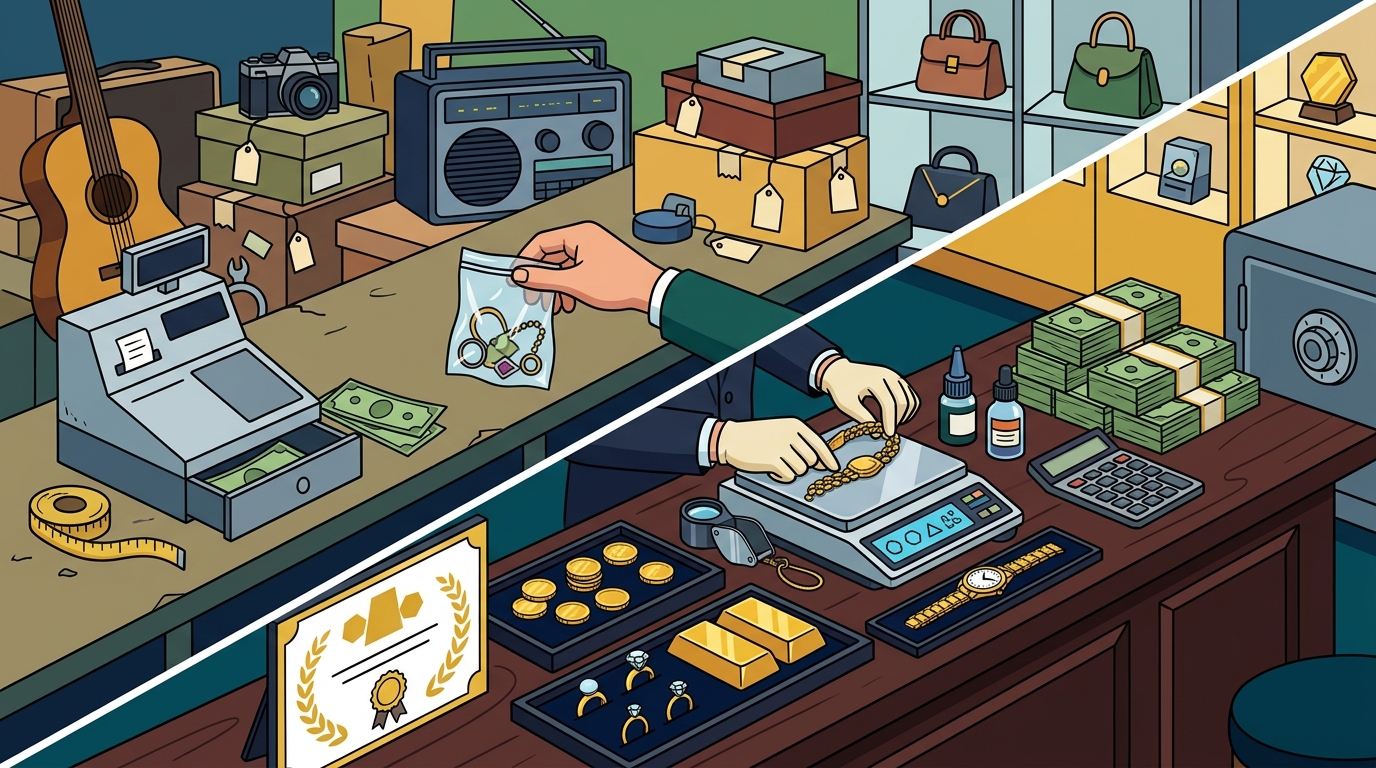
The core distinction lies in the business model. A pawn shop operates primarily as a lending institution. They provide short-term loans secured by your collateral. If you do not repay the loan with interest, they keep and resell your item. This risk premium means they offer significantly lower upfront cash values.
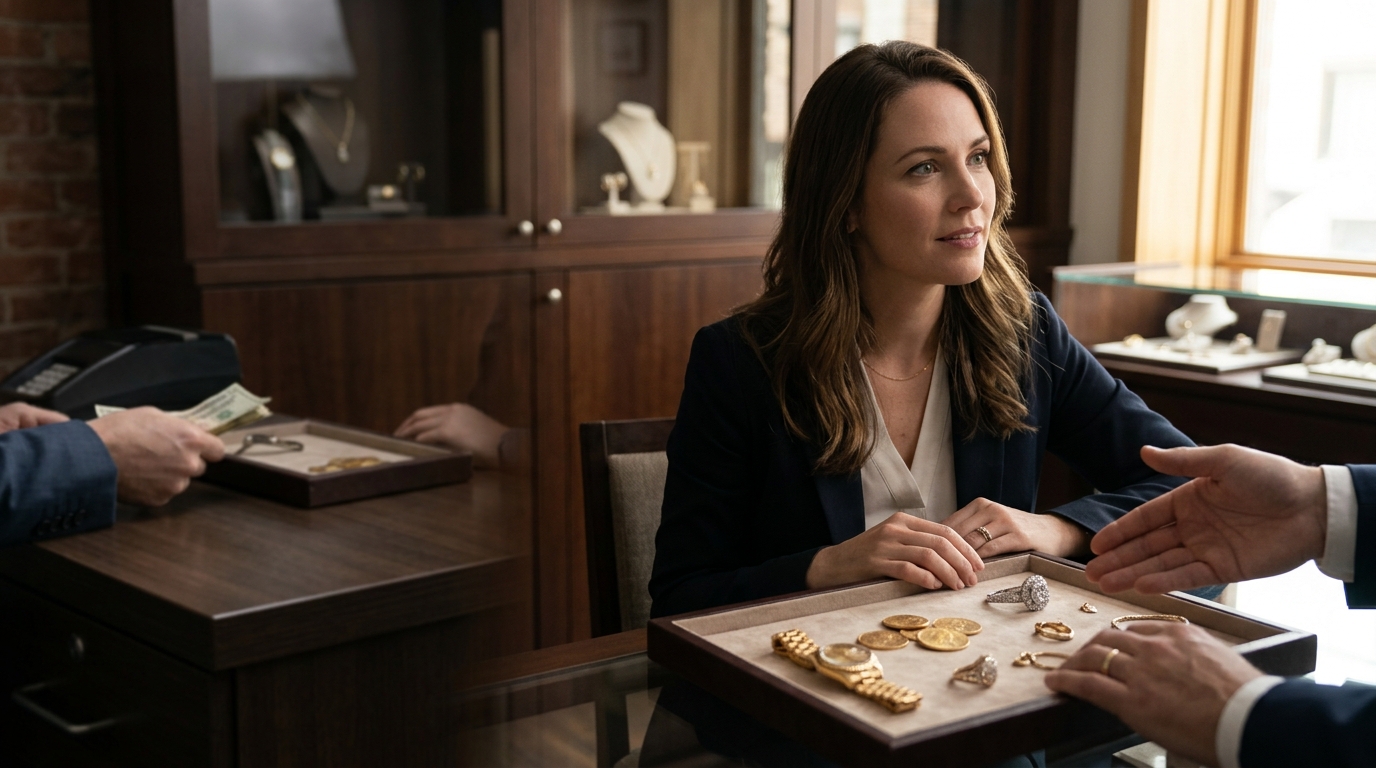
In contrast, a specialized gold buyer like the Lake Worth Gold Mine operates as a direct purchaser. They do not lend money. They buy your items at fair market price immediately. This model aligns their incentives with yours. They want to pay a competitive rate to acquire inventory for their resale or refining channels. This results in higher payouts for the seller.
Furthermore, specialized buyers often focus exclusively on precious metals and fine jewelry. This specialization allows them to have deeper market knowledge and better access to global spot prices. A general pawn shop may lack the specific expertise to accurately value complex estate jewelry or rare collectibles.
How Pricing Models Differ
Pricing is the most significant factor when deciding where to sell. Pawn shops typically offer a fraction of the item's intrinsic value. They must account for storage costs, insurance, and the potential difficulty of reselling the item. Their offers are often static and do not fluctuate with daily market changes.
Specialized gold buyers base their offers on the daily spot market price of gold, silver, and platinum. This means the value you receive is directly tied to current global commodity trends. When gold prices are high, as they have been in recent years, specialized buyers can offer substantially more than pawn shops.
Additionally, specialized buyers often provide free evaluations. You can bring your items in for a no-obligation quote. This allows you to compare offers from multiple venues before making a decision. Pawn shops may also offer free appraisals, but their final offers are often lower to ensure their profit margin.
Transparency and Testing Processes
Transparency is crucial when selling high-value items. At a reputable gold buyer, the testing and weighing process happens in front of you. This ensures that you know exactly how your items are evaluated. You can verify the purity of the metals and the accuracy of the weight.
Pawn shops may also perform testing in front of you. However, the lack of specialization can sometimes lead to less accurate assessments. A generalist might misidentify the karat weight of gold or the quality of diamonds. This can result in a lower offer than you deserve.
Specialized buyers often use advanced testing equipment, such as X-ray fluorescence (XRF) analyzers. These devices provide non-destructive testing of precious metals. This technology allows for precise identification of metal composition without damaging the item. It also speeds up the transaction process, allowing you to get paid faster.
What Items Each Venue Accepts
While both pawn shops and gold buyers accept gold and silver, the range of items varies. Pawn shops typically accept a wide variety of collateral, including tools, electronics, and musical instruments. Their focus is on items with broad resale appeal.
Specialized gold buyers focus on precious metals, jewelry, coins, and collectibles. They have specific criteria for each category. For example, they may require diamonds to be of a certain clarity or color. They may also have specific requirements for the condition of watches or coins.
However, specialized buyers often have deeper expertise in niche categories. They may be more willing to buy estate jewelry, designer handbags, or rare coins. These items may not have the same broad appeal as a power tool, making them harder to sell at a pawn shop.
Comparison Summary
| Feature | Pawn Shop | Specialized Gold Buyer |
|---|---|---|
| Primary Business Model | Lending and Resale | Direct Purchase |
| Pricing Basis | Resale Value minus Margin | Daily Spot Market Price |
| Payment Speed | Immediate Cash | Immediate Cash |
| Expertise Level | Generalist | Specialist |
| Typical Payout | Lower (10-30% of value) | Higher (80-95% of value) |
| Item Range | Tools, Electronics, Jewelry | Gold, Silver, Coins, Watches |
Key Takeaways
- Higher Payouts: Specialized buyers offer prices closer to the daily spot market, often resulting in 2-3 times more cash than pawn shops.
- No Loans: Selling to a gold buyer is a direct transaction. You do not need to worry about interest rates or repayment schedules.
- Transparency: Reputable buyers like Lake Worth Gold Mine test and weigh items in front of you, ensuring trust and accuracy.
- Specialized Expertise: Experts in precious metals can accurately value complex items like estate jewelry and rare coins that generalists might undervalue.
- Immediate Payment: Both venues offer immediate cash, but specialized buyers provide better value for that immediacy.
- Local Reputation: Choosing a locally established business, such as a five-time award winner, ensures reliability and fair dealing.
- Regulatory Compliance: Licensed buyers adhere to strict state regulations, protecting you from fraudulent practices common in unregulated markets.
Frequently Asked Questions
Do I need an appointment to sell gold?
Most specialized gold buyers, including Lake Worth Gold Mine, accept walk-in customers. However, scheduling an appointment can reduce wait times and ensure a specialist is available to assist you.
How is the price of gold determined?
The price is based on the daily spot market price of gold, which fluctuates based on global supply and demand. Reputable buyers update their offers daily to reflect these changes.
Can I sell broken gold jewelry?
Yes. Broken gold jewelry still contains valuable precious metals. Specialized buyers will melt down the metal and pay you based on its weight and purity, regardless of its condition.
What identification do I need to sell items?
Florida state regulations require licensed buyers to verify the identity of sellers. You will need a valid government-issued photo ID and proof of address. This is a standard security measure to prevent the sale of stolen goods.
Do they buy silver and platinum?
Absolutely. Specialized gold buyers typically purchase gold, silver, platinum, and palladium. They also often buy diamond jewelry, watches, and coins.
Is the evaluation really free?
Yes, reputable buyers offer free, no-obligation evaluations. You are under no pressure to sell if you are not satisfied with the offer.
How long does the transaction take?
The process is usually very quick. Once the items are tested and weighed, payment is made immediately. Most transactions are completed within 15 to 30 minutes.
Visit Lake Worth Gold Mine
Do not settle for lowball offers from pawn shops. Experience the difference of working with a specialized, family-owned business that values your items fairly. Visit the Lake Worth Gold Mine today for a free evaluation. Located conveniently at 8100 Lake Worth Road, we are proud to serve Palm Beach County with honesty and integrity. Get the cash you deserve for your gold, silver, and jewelry.