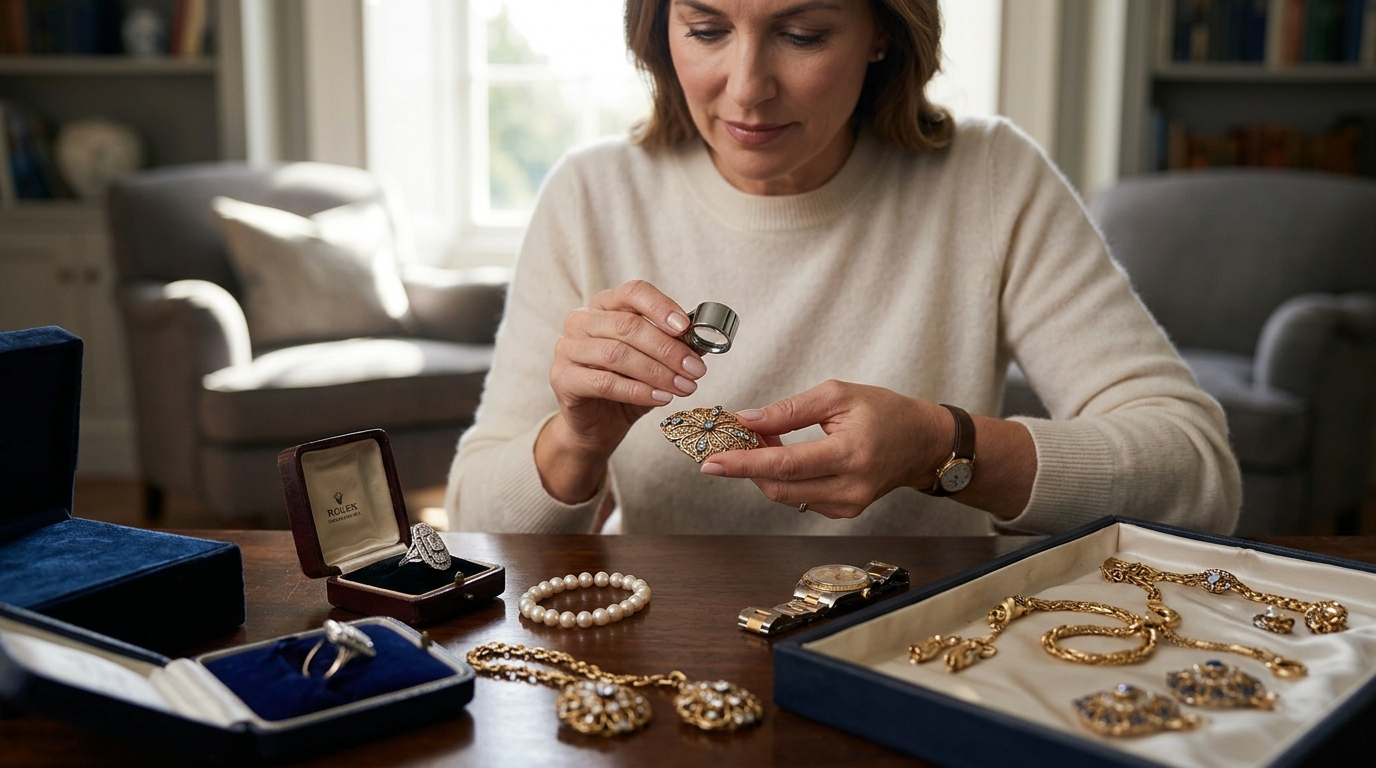
Estates often hold significant hidden value, yet many owners leave money on the table due to a lack of preparation. According to recent market analyses, the secondary market for fine jewelry has seen a 12% year-over-year growth in demand for pre-owned pieces. This surge is driven by consumers seeking authentic craftsmanship at accessible price points. However, realizing that value requires understanding the specific metrics that appraisers and buyers prioritize. This guide outlines the essential steps to prepare your estate jewelry for a fair and transparent transaction. (Customer Reviews Lake Worth)
Understanding Provenance and Documentation
The first step in selling estate jewelry is gathering all available documentation. Provenance refers to the history of ownership and the origin of the piece. Original receipts, appraisal certificates, and gemological reports from recognized laboratories such as the Gemological Institute of America (GIA) provide critical verification of quality. These documents remove ambiguity for the buyer, allowing them to verify the authenticity of diamonds or colored stones instantly.
If you have lost the original paperwork, do not panic. Professional appraisers can often recreate a detailed report based on current market conditions. However, having the original documents significantly speeds up the evaluation process. It also serves as proof that the item is not stolen property, which is a standard requirement for licensed buyers. At the Lake Worth Gold Mine, we require proof of ownership for all high-value transactions to comply with Florida state regulations. This ensures a secure and legal environment for both the seller and the buyer.
Evaluating Metal Purity and Hallmarks
Gold, silver, and platinum are the foundational value drivers of most estate jewelry. The purity of the metal is indicated by hallmarks stamped inside rings, on the backs of pendants, or on the clasps of chains. Common stamps include "14K," "18K," "750," and "PT950." These marks tell the buyer exactly how much precious metal is contained in the piece. For example, 14-karat gold contains 58.3% pure gold, while 18-karat gold contains 75% pure gold.
Understanding the difference between solid gold and gold-filled or gold-plated items is crucial. Solid gold retains its value based on weight and purity. Gold-plated items, however, have a thin layer of gold over a base metal and offer minimal resale value. When you bring your items to a professional buyer, they will test the metal using electronic testers or acid tests to confirm the hallmark. This process is non-destructive and provides an immediate baseline for the offer. Daily fluctuations in the spot price of gold directly impact the scrap value of these items, making timing your sale strategically important.
Gemstone Authenticity and Grading
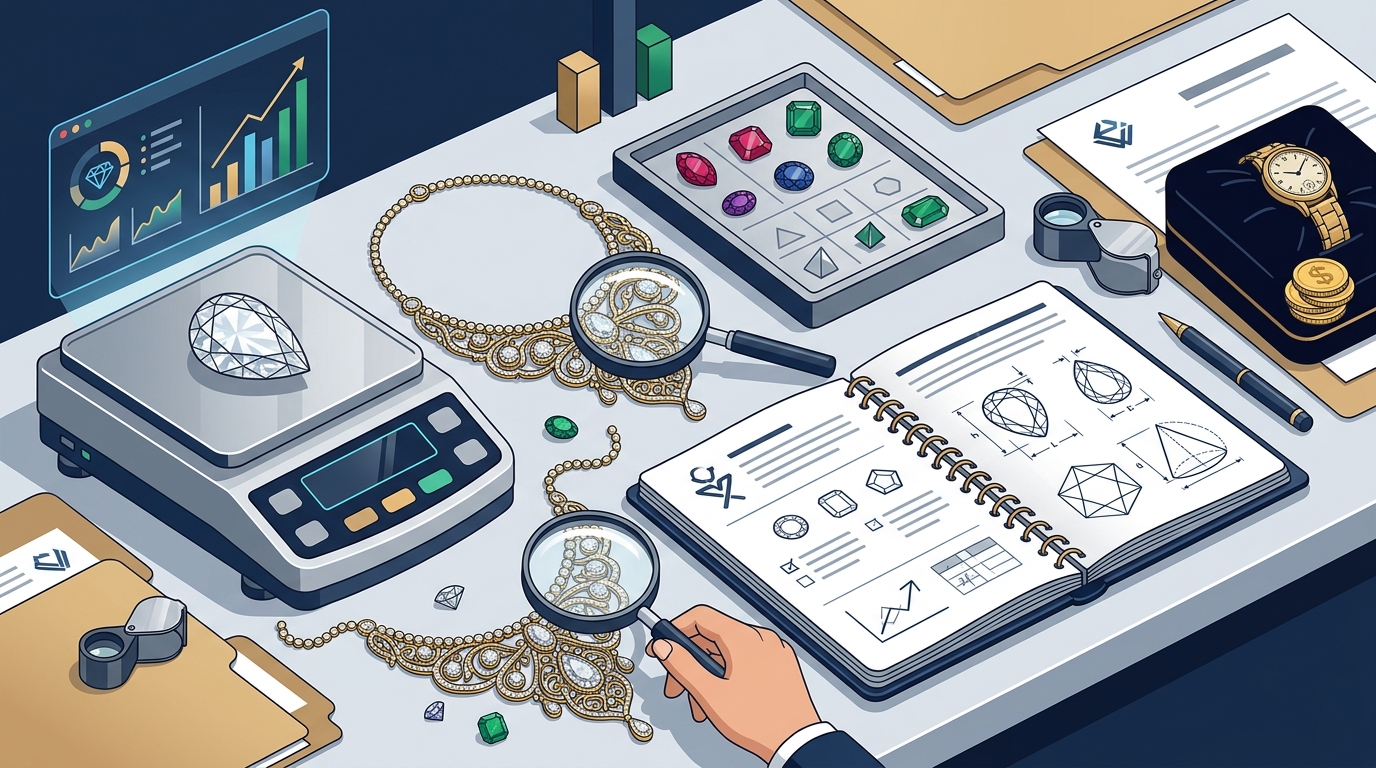
Diamonds and colored stones add substantial value to estate jewelry, but only if they are natural and untreated. The standard for grading diamonds is the 4Cs: Cut, Color, Clarity, and Carat Weight. A well-cut diamond with high color and clarity grades will command a premium. However, many estate pieces contain diamonds that are too small or included to have significant individual value. In these cases, the value is derived from the aggregate weight of the stones.
Colored stones like sapphires, rubies, and emeralds require different evaluation criteria. Treatments such as heating or oiling are common in the industry and affect value. A natural, untreated ruby is significantly more valuable than a heated one. Professional buyers use magnification and specialized lighting to detect these treatments. If you suspect your estate jewelry contains high-value gemstones, request a detailed breakdown of the stone weights and grades during your evaluation. Transparency in grading ensures you receive a fair offer that reflects the true quality of the stones.
Condition and Necessary Repairs
The physical condition of the jewelry plays a major role in its resale value. Minor wear and tear is expected in estate pieces, but significant damage can reduce the offer. Common issues include bent prongs, broken clasps, or stretched chains. While some buyers may offer to repair these items, the cost of labor is often deducted from the final payout. It is generally better to sell the item in its current condition rather than attempting a DIY repair, which can cause further damage.
However, if the piece has sentimental value or is a rare antique, restoration might be worth considering. Professional restoration can bring a piece back to its original glory, potentially increasing its marketability. For most sellers, however, the most efficient route is to sell the item as-is. A reputable buyer will assess the condition accurately and provide an offer that accounts for any necessary repairs. This approach saves you time and avoids the risk of damaging the piece further during the repair process.
The Impact of Designer Significance
Designer jewelry holds a unique position in the estate market. Pieces from renowned brands like Cartier, Tiffany & Co., and Van Cleef & Arpels often retain or even appreciate in value over time. The brand name, combined with the quality of materials, creates a premium market segment. These items are evaluated not just for their metal and stone content, but for their brand heritage and collectibility.
To determine if your estate jewelry is from a recognized designer, look for maker's marks and serial numbers. These stamps are usually found on the inside of rings or on the clasps of necklaces. If you are unsure about the designer, bring the item to a specialist who can authenticate it. At the Lake Worth Gold Mine, we have extensive experience evaluating designer jewelry and can provide accurate valuations for high-end pieces. Authenticating designer items requires expertise, as counterfeits are common in the secondary market. A professional evaluation ensures you are not underpaid for a valuable brand piece.
Choosing the Right Buyer
Not all buyers are created equal. The type of buyer you choose will significantly impact the amount of money you receive. Pawn shops typically offer lower prices because they need to resell the item for a profit. Online mail-in services may offer competitive rates but come with risks regarding security and transparency. Local, licensed buyers often provide the best combination of fair pricing and immediate payment.
When selecting a buyer, look for transparency in their process. They should weigh your items in front of you and explain how the offer was calculated. Avoid buyers who pressure you to accept an offer quickly or who refuse to provide a detailed breakdown. The Lake Worth Gold Mine operates with a transparent, face-to-face evaluation process. We sort, test, and weigh your items right in front of you, ensuring you know exactly how your offer was derived. This transparency builds trust and ensures a fair transaction for every customer.
Maximizing Your Final Offer
To maximize your final offer, prepare your estate jewelry for evaluation by cleaning it gently. Use a soft brush and mild soap to remove dirt and oils that might obscure the sparkle of the stones. However, do not attempt to remove stones or repair settings yourself. A clean piece allows the buyer to see the true quality of the materials. Additionally, be honest about the history of the piece. If you know the origin or have any repairs done, disclose this information upfront.
Timing your sale can also play a role. Metal prices fluctuate daily based on global market conditions. If you are selling primarily for the scrap value of the gold or silver, monitoring the daily metal prices can help you choose a favorable day to sell. However, for high-value gemstone or designer pieces, the brand and stone quality are more important than daily metal fluctuations. Always compare offers from multiple buyers if you are unsure of the value. However, a single visit to a reputable, licensed buyer like the Lake Worth Gold Mine can provide a quick, fair, and immediate cash offer without the hassle of multiple appointments.
Key Takeaways
- Documentation Matters: Original appraisals and gemological reports significantly increase buyer confidence and offer accuracy.
- Metal Purity is Key: Hallmarks like 14K or PT950 determine the baseline scrap value based on daily spot prices.
- Designer Premiums: Pieces from recognized brands like Cartier or Tiffany hold value beyond their material weight.
- Transparency is Essential: Always choose a buyer who weighs and tests items in your presence.
- Local Expertise: Licensed local buyers understand regional market trends and offer immediate payment.
- Condition Impacts Value: Minor wear is acceptable, but significant damage can reduce the final offer.
- Immediate Liquidity: Selling to a local buyer provides instant cash, unlike mail-in services that require waiting.
Frequently Asked Questions
How do I know if my estate jewelry is valuable?
Value is determined by the weight of the precious metals, the quality of any gemstones, and the brand of the designer. Professional evaluation is the only way to know the exact worth. Look for hallmarks and maker's marks as initial indicators.
Can I sell estate jewelry if I lost the original receipt?
Yes, you can still sell your jewelry without the original receipt. While documentation helps, professional buyers can authenticate and value items based on physical inspection and testing. The Lake Worth Gold Mine provides free evaluations for all items regardless of paperwork.
What is the difference between selling to a pawn shop and a gold buyer?
Pawn shops typically offer loans against your items or lower buyout prices because they need to resell for a profit. Licensed gold buyers and estate jewelers pay fair market value for the materials and collectible worth, often offering higher payouts than pawn brokers.
How are payments made when selling estate jewelry?
Reputable buyers provide immediate payment at the time of transaction. This can be in the form of cash, check, or direct bank transfer. Avoid buyers who require you to wait for payment or use mail-in services, as these carry security risks.
Do you buy broken or outdated estate jewelry?
Yes, broken or outdated jewelry still has value based on its material content. Gold, silver, and platinum can be refined and reused. Even damaged gemstones may have value depending on their quality. We buy all forms of estate jewelry, regardless of condition.
Is it safe to sell my jewelry to a local business?
Selling to a licensed, bonded local business is highly secure. The Lake Worth Gold Mine is licensed by the State of Florida and bonded with Palm Beach County. We follow strict regulations to ensure the safety of your items and the confidentiality of your transaction.
How often do gold prices change?
Gold prices fluctuate daily based on global market conditions. These changes can impact the scrap value of your jewelry. Monitoring daily metal prices can help you decide the best time to sell if your primary goal is to cash in on metal value.
Ready to Sell Your Estate Jewelry?
Don't let your valuable estate jewelry sit idle. Whether you have gold, silver, diamonds, or designer pieces, the Lake Worth Gold Mine offers fair, transparent, and immediate payouts. Visit our showroom in Lake Worth, Florida, for a free evaluation. We are located at 8100 Lake Worth Road, conveniently near the Florida Turnpike. Come see why we have been voted the "Best of Palm Beach County" for five consecutive years. Visit our homepage to learn more about our services or call us today to schedule your appointment.