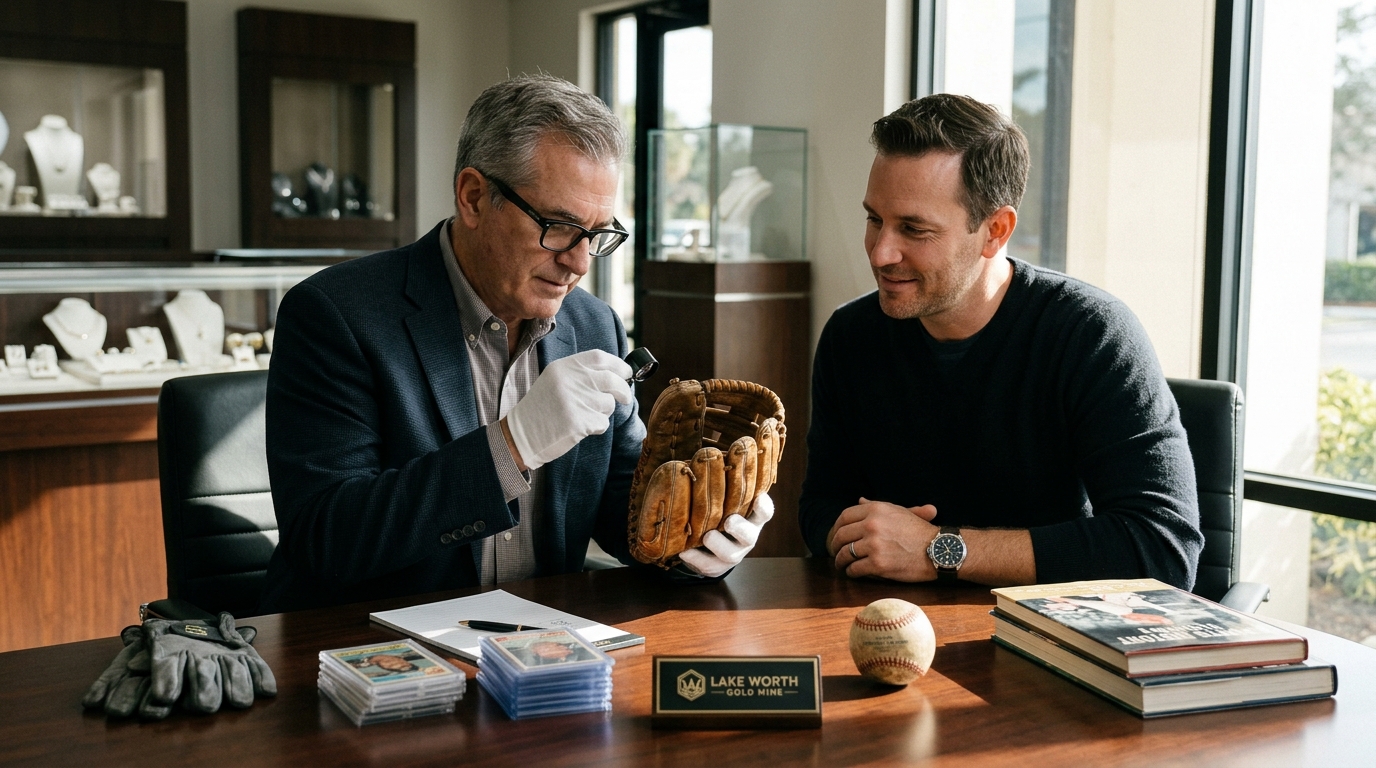
Selling high-value sports memorabilia requires more than just finding a buyer; it demands a partner who understands the nuances of authentication, grading, and market liquidity. The global sports memorabilia market is projected to reach significant valuations in the coming years, driven by a surge in digital engagement and collector investment. According to recent industry analysis, the secondary market for authenticated sports items has seen consistent growth, with high-grade pieces often appreciating in value over time. However, navigating this landscape can be complex for individual sellers who lack access to institutional-grade appraisal networks. (Customer Reviews Lake Worth)
Understanding Authentication and Grading
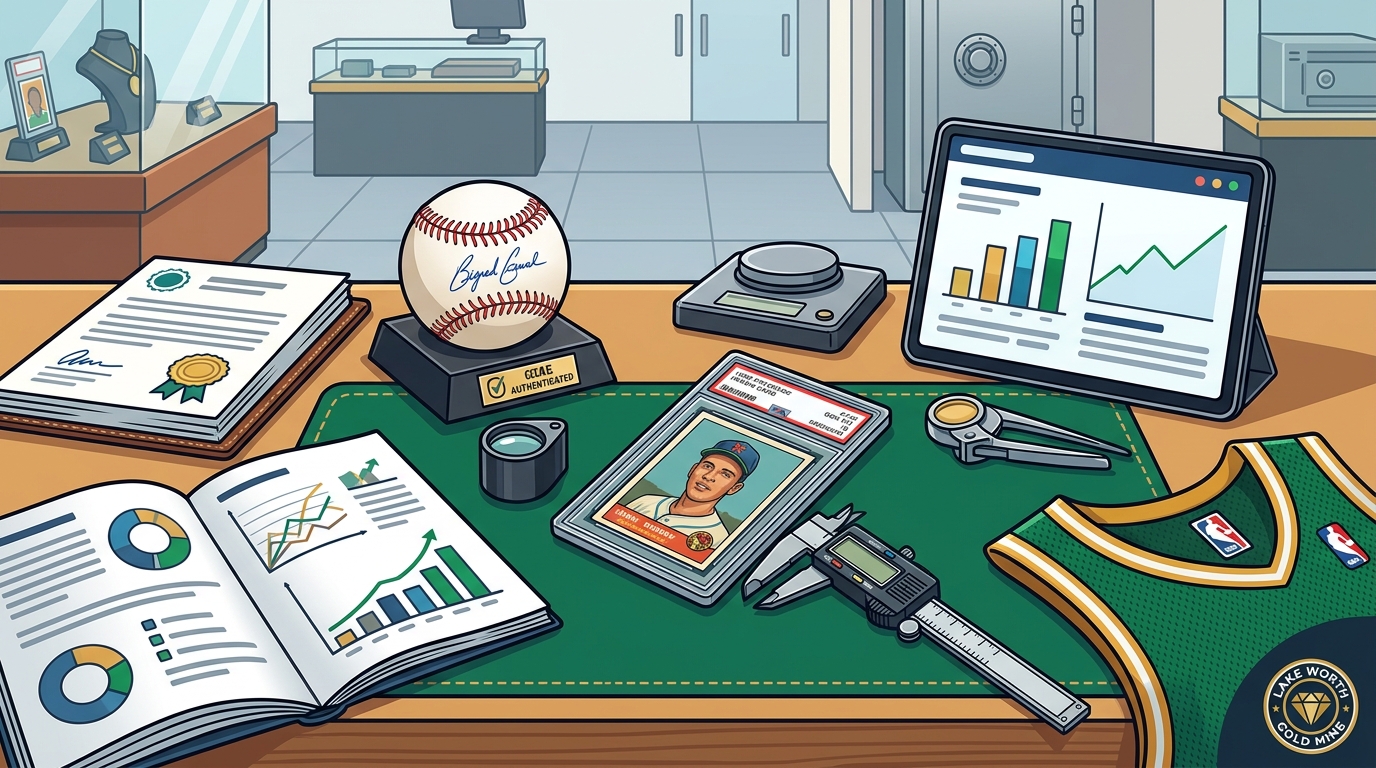
The foundation of any successful sports memorabilia transaction is the verification of authenticity. Without proper documentation, even the most iconic items can suffer from severe depreciation in the eyes of serious collectors. Authentication is the process of verifying that an item is genuine and not a replica. This step is critical because the market is flooded with high-quality reproductions that can deceive untrained eyes.
Grading is another essential component that directly impacts sale price. Grading is the systematic evaluation of an item's condition, assigning it a standardized score that reflects its preservation state. Professional grading services, such as PSA (Professional Sports Authenticator) or Beckett Authentication Services, provide this standardized language. A card or jersey graded as Gem Mint 10 will command a premium significantly higher than one graded Good to Very Good. When seeking a buyer, ensure they respect and understand these third-party certifications. A trusted buyer will never attempt to bypass established grading standards to lower their acquisition cost.
For collectors in Florida, local expertise plays a vital role in this process. The Lake Worth Gold Mine has established itself as a premier destination for evaluating high-value collectibles, including signed sports items. Their team understands the specific nuances of verifying signatures and assessing the condition of vintage jerseys and equipment. This local knowledge ensures that items are not undervalued due to a lack of specialized understanding.
Evaluating Buyer Types: Auctions vs. Direct Sales
When deciding how to sell sports memorabilia, you generally face two primary paths: auction houses or direct buyers. Each method has distinct advantages and disadvantages depending on the item's rarity and your timeline for liquidity.
Auction Houses
Auction houses are traditional venues for selling rare sports items. They offer access to a global pool of bidders, which can drive prices up for ultra-rare pieces. However, auctions come with significant costs. Sellers typically pay a seller's commission, which can range from 10 to 25 percent of the final hammer price. Additionally, the timeline for payment can stretch from several weeks to months after the auction concludes. For items valued under $5,000, auction fees often erode the net profit to an unacceptable degree.
Direct Buyers and Local Dealers
Direct buyers offer immediate liquidity and lower overhead costs. A direct buyer purchases the item outright, providing cash or a check at the time of transaction. This method eliminates the risk of an item failing to meet its reserve price. Furthermore, local dealers often have a deeper understanding of regional collector trends. For instance, a signed jersey from a local college team might fetch a higher price from a regional specialist than from a national auction house where the item gets lost in the noise.
The Lake Worth Gold Mine operates on a direct purchase model, allowing sellers to receive fair market value without the delay of an auction cycle. Their approach focuses on immediate payment and transparent pricing based on daily market conditions. This model is particularly effective for sellers who prioritize speed and certainty over the speculative nature of bidding wars.
Red Flags to Avoid in Potential Buyers
Not all buyers are created equal. The collectibles market has attracted opportunistic entities that may exploit sellers' lack of knowledge. Recognizing these red flags is crucial for protecting your financial interests.
Upfront Fees are a Major Warning Sign. Legitimate buyers never ask sellers to pay fees for listing, authentication, or processing. If a buyer requests an upfront payment, it is almost certainly a scam. Reputable companies absorb these costs as part of their business model.
Vague Appraisals and Lowball Offers. A trusted buyer will provide a clear, itemized breakdown of how they arrived at their offer. They will reference current market data, recent comparable sales, and the specific condition of your item. If a buyer offers a vague number or significantly below market value without justification, walk away. They may be hoping you are desperate to sell quickly.
Lack of Physical Presence. While online transactions are common, high-value sports memorabilia benefits from in-person evaluation. A buyer who refuses to meet in a secure, professional environment may be hiding their true intentions. The Lake Worth Gold Mine maintains a secure, in-store showroom where items are inspected and valued transparently. This physical presence builds trust and ensures that both parties are satisfied with the condition of the item before any money changes hands.
Maximizing Value Through Local Expertise
Local buyers often have a competitive advantage in understanding niche markets. They may have direct connections to local collectors who are actively seeking specific items. This network effect can lead to faster sales and better prices for specialized memorabilia.
Additionally, local businesses are bound by state regulations that protect consumers. In Florida, dealers in second-hand goods must adhere to strict licensing and bonding requirements. This regulatory oversight provides an additional layer of security for sellers. The Lake Worth Gold Mine is a licensed and bonded buyer in Palm Beach County, ensuring that all transactions comply with state laws. This compliance protects sellers from fraudulent practices and ensures that the transaction is recorded and legitimate.
Furthermore, local buyers often provide a more personalized experience. They can answer specific questions about your item, offer advice on preservation, and provide insights into market trends. This educational aspect can be invaluable for new sellers who are navigating the collectibles market for the first time. The team at Lake Worth Gold Mine is known for their friendly and honest approach, treating every seller with respect regardless of the item's value.
Comparison of Selling Options
To help you make an informed decision, here is a comparison of the primary options for selling sports memorabilia.
| Feature | Auction House | Online Marketplace (eBay) | Local Direct Buyer |
|---|---|---|---|
| Timeline to Payment | 30-90 Days | 7-14 Days | Immediate |
| Commission/Fees | 10-25% | 12-15% + Payment Processing | 0% (Fair Market Offer) |
| Authentication Support | High | Low (Seller Responsibility) | High (In-House Expertise) |
| Security | High | Medium (Risk of Fraud) | High (In-Person Transaction) |
| Best For | Ultra-Rare, High-Value Items | Common Items, Low Risk | Quick Cash, Fair Value |
As shown in the table, local direct buyers offer the most efficient path for sellers who value speed and transparency. While auction houses may yield higher prices for exceptional items, the associated costs and delays make them less suitable for most sellers. Online marketplaces offer convenience but require significant effort in terms of listing, shipping, and customer service.
Key Takeaways
- Authentication is Non-Negotiable: Always verify the authenticity of your sports memorabilia through reputable third-party services before selling.
- Grading Impacts Price: Professional grading can significantly increase the value of your items, so consider getting them graded if they are in excellent condition.
- Avoid Upfront Fees: Any buyer requesting money upfront is likely a scam. Legitimate buyers make money only when they sell your item.
- Local Expertise Matters: Local buyers like the Lake Worth Gold Mine offer immediate payment, no fees, and specialized knowledge of the regional market.
- Regulatory Compliance: Ensure your buyer is licensed and bonded in your state to protect yourself from fraud and ensure legal compliance.
- Compare Offers: Get multiple quotes from different types of buyers to ensure you are receiving fair market value for your collectibles.
- Transparency is Key: A trusted buyer will provide a clear explanation of their offer and be willing to answer all your questions about the process.
Frequently Asked Questions
How do I know if my sports memorabilia is authentic?
You can determine authenticity by looking for holograms, certificates of authenticity (COA), and signatures from reputable authentication services like PSA or Beckett. If you lack this documentation, a professional buyer can often assess the item's legitimacy through expert inspection.
What is the difference between a pawn shop and a gold buyer?
A pawn shop primarily lends money against your items and expects them to be returned with interest. A gold buyer or collectibles dealer purchases your items outright at fair market value, providing you with immediate cash without the obligation of repayment.
Can I sell sports memorabilia if I don't have the original certificate of authenticity?
Yes, you can still sell your items. While having a COA can increase the value, professional buyers can often authenticate items through other means, such as expert analysis of the signature or provenance research.
How quickly can I get paid for my sports memorabilia?
With a local direct buyer, payment is typically immediate. You will receive cash or a check at the time of the transaction. In contrast, auction houses and online marketplaces can take weeks or even months to process payments.
Are there any fees for selling to a local buyer?
No, reputable local buyers do not charge sellers any fees. They make their profit by reselling the items at a markup. Be wary of any buyer who asks for an upfront fee for listing or authentication.
What types of sports memorabilia do local buyers purchase?
Local buyers typically purchase a wide range of items, including signed jerseys, baseballs, footballs, trading cards, vintage posters, and game-used equipment. The Lake Worth Gold Mine specializes in high-value collectibles and is known for its fair evaluation process.
Is it safe to sell high-value items in person?
Yes, selling in person at a licensed and bonded business is one of the safest methods. The Lake Worth Gold Mine, for example, is a licensed buyer in Palm Beach County, ensuring that all transactions are secure and compliant with state regulations.
Ready to Sell Your Sports Memorabilia?
If you are looking for a trusted, transparent, and immediate way to sell your sports memorabilia, visit the Lake Worth Gold Mine. Located conveniently at 8100 Lake Worth Road in Lake Worth, Florida, we offer fair market value for your collectibles with no hidden fees. Our team of experts is ready to evaluate your items and provide you with a competitive offer on the spot. Contact us today at 561-729-0094 or visit our website to learn more about our services and schedule an appointment.