Estates often contain hidden wealth, but realizing that value requires precise evaluation. According to recent market analyses, the global estate jewelry market is projected to grow significantly, driven by consumers seeking unique, pre-owned luxury items. However, the payout you receive depends entirely on how well you understand the intrinsic value of the pieces you are selling. Many sellers leave money on the table by misunderstanding how precious metals and gemstones are appraised in a direct-buy scenario. (Customer Reviews Lake Worth)
Understanding Estate Jewelry Definitions
Before you list a single item, you must define what you are selling. Estate jewelry is not merely "old" jewelry. The term encompasses any pre-owned item, regardless of its age. It can include vintage pieces from the Art Deco era, mid-century modern designs, or contemporary items that were previously owned. The key distinction is that the item has been worn or held by someone else. (Blog Lake Worth Gold)
It is crucial to distinguish between estate jewelry and antique jewelry. Antique jewelry is strictly defined as being at least 100 years old. While antiques often carry a premium due to rarity and historical significance, most estate jewelry is valued primarily for its material content and brand recognition. Understanding this difference helps you set realistic expectations for your payout. (Lake Worth Gold Mine)
When you bring your items to a professional buyer, they will not pay for the "story" alone. They pay for the verifiable components: the weight of the gold, the quality of the diamonds, and the demand for specific designer brands. This is why a direct evaluation is superior to online estimates, which cannot account for physical nuances.
Metal Purity and Karat Weight
The foundation of any estate jewelry sale is the precious metal content. Gold, silver, and platinum are traded on global spot markets. This means the base value of your jewelry fluctuates daily based on international commodity prices. If you are selling gold, the karat weight is the primary determinant of value.
Gold purity is measured in karats, with 24 karat being pure gold. However, pure gold is too soft for most jewelry, so it is alloyed with other metals. 14k gold contains 58.3% gold, while 18k gold contains 75% gold. When selling estate pieces, look for stamps inside bands or on clasps that indicate the purity. Common stamps include "750" for 18k gold and "585" for 14k gold.
Platinum is denser and rarer than gold, often commanding a higher price per ounce. However, it is also heavier. A small platinum ring may weigh more than a larger gold one, resulting in a higher base metal value. Silver is less valuable per ounce but is often found in larger quantities in estate collections, such as flatware and holloware. At Lake Worth Gold Mine, we weigh and test all metals in front of you, ensuring transparency in the calculation.
Gemstone Evaluation Criteria
Gemstones add significant value to estate jewelry, but their worth is determined by a strict set of criteria. For diamonds, the industry standard is the 4Cs: Cut, Color, Clarity, and Carat weight. A well-cut diamond with high color and clarity grades will fetch a premium. However, even diamonds with lower grades have value based on their carat weight and market demand.
Colored stones such as sapphires, rubies, and emeralds are evaluated differently. Origin can play a massive role in their value. For example, Burmese rubies or Kashmir sapphires are highly prized. However, for most estate sales, the physical condition and size are the primary drivers of price. Loose stones are often more valuable than stones set in jewelry because they can be repurposed by jewelers.
When evaluating your estate pieces, check for any certifications. GIA (Gemological Institute of America) reports for diamonds provide an unbiased assessment of quality. If you have these documents, bring them to your evaluation. They serve as proof of quality and can accelerate the appraisal process. Without certification, professional appraisers will use their expertise to grade the stones, which is standard practice for most estate transactions.
Brand and Provenance Impact
Designer jewelry holds a unique position in the estate market. Brands like Cartier, Tiffany & Co., Van Cleef & Arpels, and Chanel have strong resale markets. These items are valued not just for their materials but for their brand equity. A pre-owned Cartier Love bracelet, for instance, retains a significant portion of its retail value due to high demand and limited supply.
Provenance refers to the history of ownership. If a piece has a documented history, such as being owned by a notable figure or originating from a specific era, it may command a higher price. However, for most estate jewelry, the brand logo and hallmarks are the critical factors. Ensure that all logos, serial numbers, and maker's marks are intact and legible. Faded or missing hallmarks can reduce the perceived value and complicate the authentication process.
At Lake Worth Gold Mine, we specialize in buying designer jewelry. Our team is trained to identify authentic pieces and distinguish them from replicas. We offer fair market prices for these items, recognizing the brand's role in the overall value. This is particularly important for items that may have lower metal content but high brand recognition.
Condition and Wear Assessment
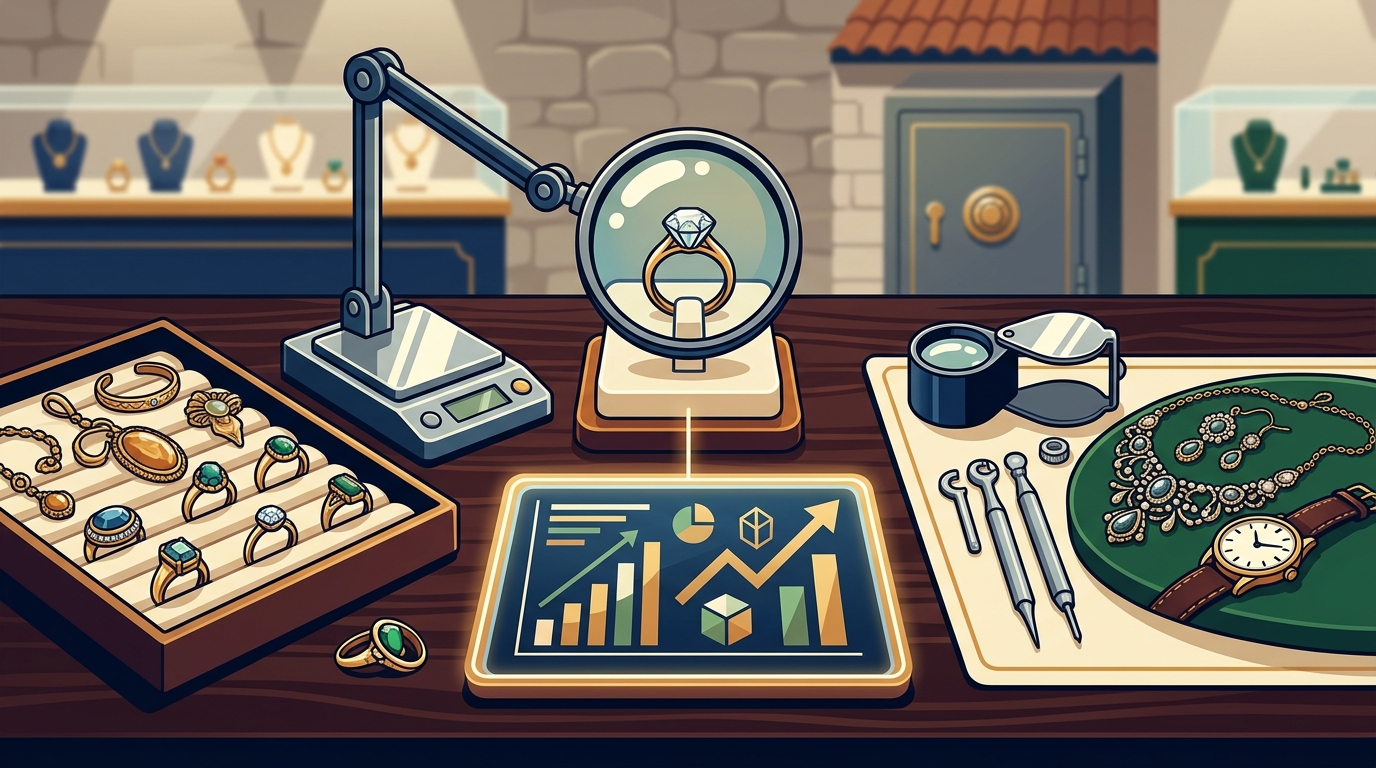
The physical condition of estate jewelry directly impacts its value. While precious metals can be melted down and recast, gemstones and intricate designs cannot be easily repaired without cost. Scratches, dents, and worn prongs are common in estate pieces. Minor wear is expected and does not significantly devalue the item, but major damage can reduce the payout.
For example, a diamond with a chipped girdle or a broken prong may require repair before it can be resold. This cost is deducted from the final offer. Similarly, gold jewelry that has been heavily polished may have lost some metal weight. It is important to be honest about the condition of your items during the evaluation. Attempting to hide damage can lead to a lower offer after the item is inspected.
Regular maintenance can preserve the value of your estate jewelry. Keeping pieces in individual pouches prevents scratching. Having jewelry professionally cleaned and inspected annually ensures that settings remain secure. When you bring your items to a buyer, presenting them in good condition demonstrates care and can lead to a more favorable evaluation.
Choosing the Right Buyer
Not all buyers are created equal. The type of buyer you choose will determine how much money you receive. Pawn shops, for instance, are in the business of lending money, not buying assets outright. They typically offer a fraction of the item's value to mitigate their risk. Jewelry stores may offer trade-in credits, which are often inflated and restrict your spending to their inventory.
Direct cash buyers offer the most transparent and lucrative option. They pay the current spot price for metals and fair market value for gemstones and designer items. Lake Worth Gold Mine operates as a direct buyer, not a pawn shop. We provide immediate cash payments for your estate jewelry, with no hidden fees or delays. Our process is designed to be fair and transparent, with items weighed and tested in your presence.
Online buyers may offer convenience but often lack the personal touch and immediate payment of a local buyer. Mail-in services involve risk and delays. By choosing a reputable local buyer like Lake Worth Gold Mine, you ensure that your items are handled securely and that you receive the best possible price. Our five consecutive wins as Palm Beach County's Best Jewelry Store reflect our commitment to customer satisfaction and fair pricing.
Preparation and Presentation
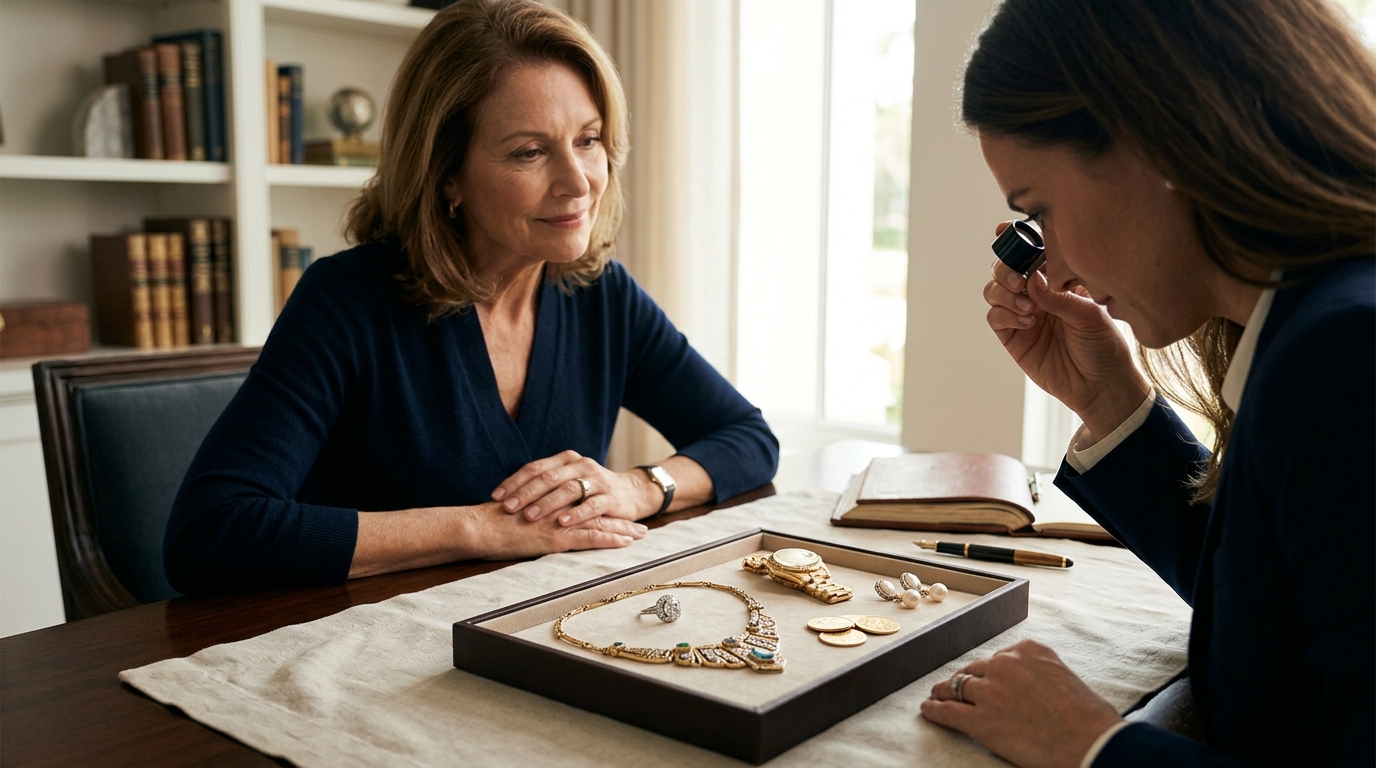
Preparing your estate jewelry for sale is a straightforward process. Gather all your items, including any original boxes, certificates, or receipts. These documents can help verify authenticity and provide additional context for the appraiser. Separate loose stones from their settings if possible, as this allows for a more accurate evaluation of each component.
Do not attempt to clean your jewelry aggressively before the evaluation. Over-cleaning can damage delicate settings or remove valuable patina from antique pieces. A gentle wipe with a soft cloth is sufficient. Bring your items to our showroom at 8100 Lake Worth Road. Our team will conduct a thorough inspection, explaining the value of each piece in detail.
Transparency is key to a successful sale. Ask questions about the evaluation process and the factors influencing the offer. A reputable buyer will be happy to explain how the spot price, metal weight, and gem quality contribute to the final payout. This openness builds trust and ensures that you feel confident in your decision to sell.
Key Takeaways
- Estate vs. Antique: Estate jewelry is any pre-owned item, while antique jewelry is over 100 years old. Most estate pieces are valued for materials and brand.
- Metal Purity: Check for karat stamps (e.g., 14k, 18k, 750) to determine gold content. Platinum and silver also contribute to the base value.
- Gemstone Value: Diamonds are valued by the 4Cs. Colored stones depend on origin and quality. Loose stones often have higher resale value.
- Designer Brands: Items from brands like Cartier and Tiffany hold significant value due to brand equity and demand.
- Condition Matters: Minor wear is acceptable, but major damage can reduce the offer. Honest disclosure of condition is essential.
- Direct Buyers: Avoid pawn shops and trade-in credits. Direct cash buyers offer the highest and most transparent payouts.
- Local Expertise: Lake Worth Gold Mine has been a trusted buyer since 2010, offering certified scales and immediate payment.
Frequently Asked Questions
How is the value of my estate jewelry determined?
The value is determined by the current spot price of precious metals, the weight of the items, the quality and size of any gemstones, and the brand recognition of the piece. Professional appraisers evaluate these factors to provide a fair market offer.
Do I need an appraisal before selling my estate jewelry?
An official appraisal is not required for selling to a direct buyer like Lake Worth Gold Mine. Our team uses certified scales and expert knowledge to evaluate your items on the spot. However, bringing any existing certificates or receipts can help verify authenticity.
What is the difference between selling to a pawn shop and a gold buyer?
Pawn shops lend money against your items and typically offer lower values to mitigate risk. Gold buyers and estate jewelry specialists purchase your items outright at fair market value, often providing a higher payout because they resell the items for their intrinsic value.
Can I sell estate jewelry that is broken or damaged?
Yes, we buy broken and damaged estate jewelry. The value will be based on the material content, such as the gold weight and loose gemstones. Damage may reduce the premium for designer pieces, but the base metal value remains significant.
How long does the selling process take?
The process is immediate. Once you bring your items to our showroom, we weigh, test, and evaluate them in your presence. Payment is made on the spot via cash, check, or wire transfer, depending on your preference.
Are there any fees for selling my jewelry?
No, there are no fees for selling your estate jewelry to Lake Worth Gold Mine. The offer we provide is the final amount you receive. We are transparent about our pricing, which is based on daily market rates and item quality.
What types of estate jewelry do you buy?
We buy a wide range of estate jewelry, including gold, silver, platinum, diamonds, colored gemstones, designer pieces, watches, and coins. We also purchase estate jewelry regardless of its condition or age, making it easy to liquidate your collection.
Ready to Sell Your Estate Jewelry?
Do not let your valuable estate jewelry sit idle. Unlock its true worth by visiting Lake Worth Gold Mine. Our experienced team is ready to provide a fair, transparent, and immediate evaluation of your items. We are located at 8100 Lake Worth Road in Lake Worth, Florida, and are open to serve your needs. Visit our showroom today to experience the best in estate jewelry buying.