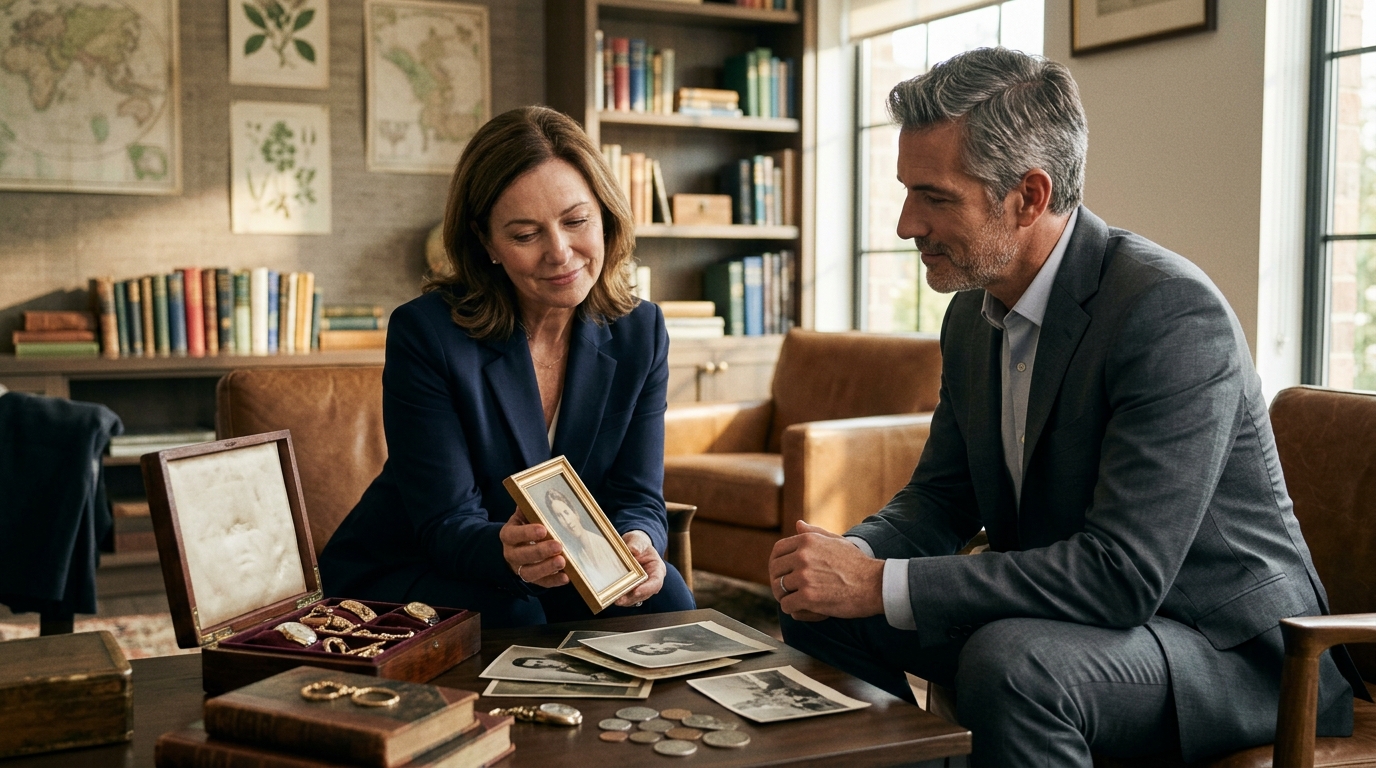
Selling inherited estate items is often a necessary step in settling an estate or managing unexpected financial needs. According to recent industry data, the secondary market for precious metals and fine jewelry has seen significant growth, with gold prices reaching historic highs in 2024 and 2025. This surge creates a unique opportunity for heirs to convert sentimental or unused assets into immediate liquidity. However, navigating the process requires careful attention to valuation accuracy and vendor selection to ensure you receive fair market value.
Understanding Estate Items and Their Value
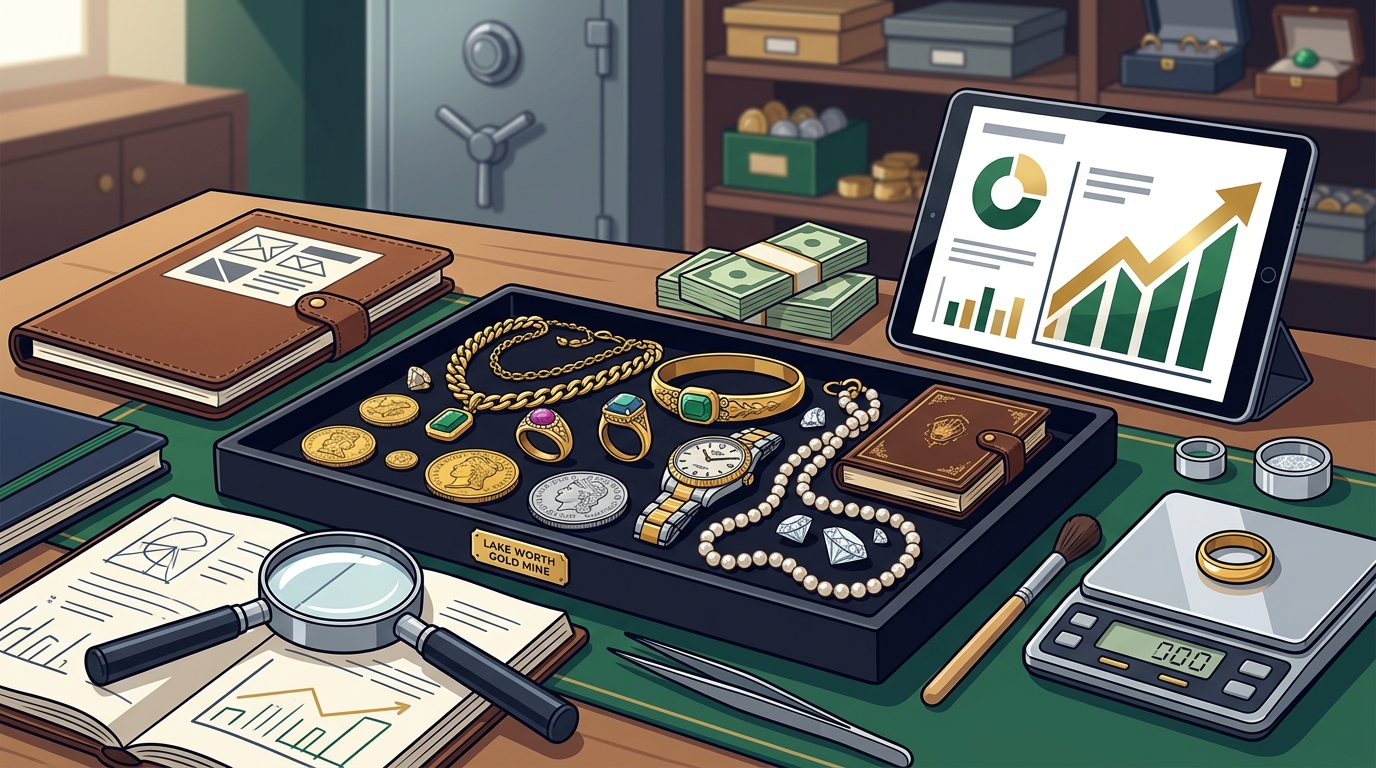
Estate items encompass a wide range of assets, including gold jewelry, silver flatware, diamonds, fine watches, and collectible coins. These items often hold value not just for their material content but also for their craftsmanship and historical significance. Estate jewelry is defined as pre-owned jewelry that has been previously owned and often carries a unique history or designer provenance.
Many heirs are unaware that even broken or outdated gold jewelry retains significant value based on its karat weight. The intrinsic value of precious metals like gold, silver, and platinum is determined by daily spot market prices. Understanding these fluctuations is crucial for timing your sale effectively. For instance, gold prices have remained robust, making it an optimal time to liquidate gold-heavy estates.
Additionally, collectible coins and bullion require specialized knowledge to authenticate. Bullion is defined as precious metal bars or coins that have a high purity and are valued primarily for their metal content rather than their face value. Selling these items requires a buyer who can accurately assess purity and weight without offering lowball estimates.
Preparation and Sorting Your Inheritance
Before contacting any buyers, it is essential to organize the inherited items. This process helps in identifying high-value pieces and prevents loss or damage. Start by separating items into categories such as gold, silver, diamonds, and collectibles. This segregation allows for more accurate initial assessments and streamlines the appraisal process.
Do not attempt to clean or polish precious items aggressively. Over-cleaning can sometimes damage delicate settings or remove patina that adds value to antiques. Instead, gently wipe items with a soft cloth to remove surface dirt. This preserves the item's condition and ensures that appraisers can evaluate the true state of the piece.
Gather any documentation you may have, such as original receipts, appraisals, or certificates of authenticity. These documents can significantly enhance the perceived value of designer jewelry or rare coins. For example, a diamond with a GIA certification will command a higher price than one without, as the certification provides verified proof of quality and clarity.
Accurate Valuation Methods
Obtaining an accurate valuation is the most critical step in selling inherited items. There are several methods to determine value, each with its own advantages and limitations. Understanding these methods helps you avoid being underpaid by unscrupulous buyers.
Spot price valuation is defined as the current market price of a raw commodity, such as gold or silver, based on real-time trading data. This method is primarily used for scrap gold, silver, and bullion. It provides a transparent baseline for value, ensuring that you are paid fairly for the metal content. However, it does not account for craftsmanship, brand, or rarity.
For jewelry and collectibles, professional appraisals are necessary. Appraisal is defined as a formal estimate of the value of an item, typically conducted by a certified gemologist or appraiser, based on market conditions and item characteristics. While appraisals are useful for insurance purposes, they often reflect retail replacement value, which is higher than what you would receive from a buyer. It is important to distinguish between retail value and resale value.
Online valuation tools can provide quick estimates for common items. However, these tools often lack the nuance required for unique or high-value pieces. They are best used as a preliminary guide rather than a definitive value. For accurate results, in-person evaluation by a licensed buyer is recommended.
Comparing Selling Options
Choosing the right buyer is paramount to maximizing your return. The market offers several options, each with distinct pros and cons. Below is a comparison of the most common selling channels for estate items.
| Selling Channel | Pros | Cons | Best For |
|---|---|---|---|
| Local Gold Buyers | Immediate payment, transparent testing, no shipping risks | Limited to local market prices | Scrap gold, silver, and common jewelry |
| Online Marketplaces (eBay) | Access to global buyers, potential for higher prices on rare items | Shipping costs, fees, risk of fraud, delayed payment | Rare coins, collectibles, and high-end designer items |
| Auction Houses | Expert authentication, access to wealthy collectors | High commission fees, slow payment process | High-value antiques and rare collectibles |
| Pawn Shops | Quick cash, convenient location | Lower payouts, loan-based model rather than buyout | Emergency cash needs for low-value items |
Local buyers often provide the most straightforward experience for selling gold and silver. They typically weigh items in front of you and pay based on the daily spot price. This transparency eliminates the uncertainty associated with mail-in services. Furthermore, local businesses are often licensed and bonded, providing an additional layer of security for transactions.
For high-value collectibles, online marketplaces like eBay can yield better results. Lake Worth Gold Mine's eBay store offers a curated selection of coins and collectibles, demonstrating the potential for online sales. However, sellers must account for platform fees and shipping insurance. It is crucial to research recent sales of similar items to set a realistic price.
Tax Implications of Selling Inherited Assets
Selling inherited items can have tax consequences that vary by jurisdiction. In the United States, inherited assets generally receive a "step-up" in basis, meaning the cost basis is adjusted to the fair market value at the time of the original owner's death. This can reduce capital gains tax if the item is sold shortly after inheritance.
However, if the item appreciates significantly before sale, capital gains tax may still apply. It is advisable to consult with a tax professional to understand your specific obligations. Keeping detailed records of the inheritance date, value, and sale price is essential for accurate tax reporting.
Additionally, some states have inheritance taxes that apply to the value of the estate passed to heirs. Understanding these local regulations can help you plan your sales strategy accordingly. For example, Florida does not have a state inheritance tax, which can simplify the process for heirs in that region.
Key Takeaways
- Immediate Liquidity: Selling inherited gold and silver can provide immediate cash, especially when spot prices are high.
- Transparency: Choose buyers who test and weigh items in front of you to ensure fair valuation.
- Documentation: Gather all original receipts and appraisals to support the value of designer or rare items.
- Vendor Selection: Local licensed buyers often offer better payouts for precious metals than pawn shops or generic online buyers.
- Tax Awareness: Consult a tax advisor to understand capital gains and inheritance tax implications.
- Preparation: Sort and categorize items before seeking valuations to streamline the process.
- Market Timing: Monitor daily metal prices to time your sale for optimal returns.
Frequently Asked Questions
How do I know if my inherited jewelry is real gold?
Look for hallmarks stamped on the inside of rings or clasps of necklaces. Common stamps include 10K, 14K, 18K, or 24K. A professional buyer can perform a quick acid test or electronic test to verify purity without damaging the item.
Can I sell broken gold jewelry?
Yes, broken gold jewelry retains its value based on its weight and karat. The craftsmanship value may be lost, but the metal content is still highly valuable. Lake Worth Gold Mine buys all gold jewelry, regardless of condition.
What is the difference between an appraisal and a buyout price?
An appraisal typically reflects the retail replacement value, which is what you would pay to buy a similar item new. A buyout price reflects the resale value, which is what a buyer will pay you. The buyout price is usually lower than the appraisal.
Are there fees for selling items at a local gold buyer?
Reputable local gold buyers do not charge fees for evaluation or transaction. They make their profit from the margin between the spot price and the buyout price. Be wary of any buyer who asks for upfront fees.
How often do gold prices change?
Gold prices fluctuate daily based on global market conditions. It is advisable to check daily metal prices before selling to ensure you are getting a competitive rate.
Do you buy silver flatware?
Yes, silver flatware and holloware are purchased based on their silver content. Sterling silver is typically marked with "925" to indicate its purity. Lake Worth Gold Mine buys silver items including flatware and jewelry.
Is it safe to sell high-value watches online?
Selling high-value watches online can be safe if you use reputable platforms and secure shipping methods. However, in-person sales at a licensed dealer eliminate shipping risks and provide immediate payment. Lake Worth Gold Mine buys fine watches including Rolex and Omega.
Contact Us
If you are looking to sell inherited estate items in Palm Beach County, Lake Worth Gold Mine offers fair, transparent, and immediate payouts. As a family-owned business with over 15 years of experience, we prioritize honesty and customer satisfaction. Visit our showroom at 8100 Lake Worth Road for a free evaluation. You can also explore our online eBay stores for collectibles and coins. Contact us today to maximize the value of your inheritance.