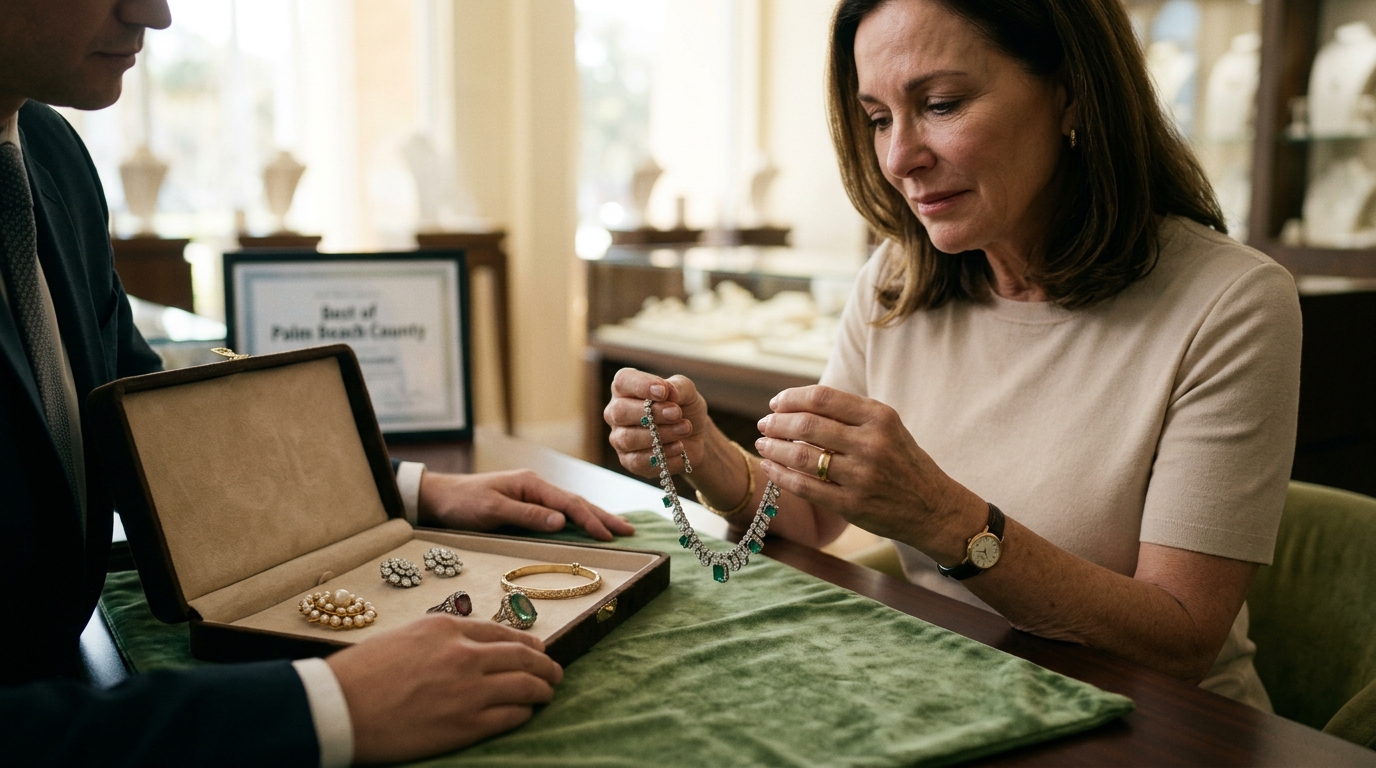
Estate jewelry represents a unique intersection of sentimental history and tangible asset value. For many homeowners in Palm Beach County, liquidating these pieces is a strategic financial move rather than a simple decluttering exercise. According to recent market analyses, the secondary market for fine jewelry has seen a steady growth in demand for pre-owned luxury items. This trend is driven by buyers seeking authentic craftsmanship at a fraction of retail costs. Understanding the specific metrics that drive these valuations is essential for securing a fair offer. (Customer Reviews Lake Worth)
Understanding Estate Jewelry Definitions
Before listing items for sale, it is crucial to define what constitutes "estate" jewelry. Estate jewelry is any pre-owned piece of jewelry, regardless of its age or condition. This definition encompasses everything from vintage Art Deco rings to modern designer necklaces. The term does not imply that the item is damaged or outdated. In fact, many estate pieces are in pristine condition, having been carefully maintained by previous owners. (Lake Worth Gold Mine)
Another common misconception involves the term "antique." Antique jewelry is defined as an item that is at least 100 years old. While antique pieces often carry significant historical premiums, they are a subset of the broader estate category. Recognizing this distinction helps sellers set realistic expectations. A piece from the 1980s is estate jewelry but not an antique. Both categories, however, hold value in the secondary market.
Finally, "vintage" jewelry typically refers to pieces that are at least 20 years old but less than 100 years. This era often includes iconic designs from mid-century modern movements. Understanding these classifications allows sellers to communicate more effectively with potential buyers. It also helps in identifying whether a piece might have collector value beyond its material worth.
Metal Purity and Weight Analysis
The foundation of any estate jewelry valuation lies in its precious metal content. Gold, silver, and platinum are the primary metals used in fine jewelry. Each metal has a distinct density and market value. Gold purity is measured in karats, with 24 karat being pure gold. Most jewelry is made from 14k or 18k gold, which are alloys mixed with other metals for durability.
Silver is another common metal found in estate pieces. Sterling silver is 92.5% pure silver, with the remainder being copper or other alloys. Silver prices are significantly lower than gold, but the weight of the piece still contributes to its overall value. Platinum is denser and more durable than gold, often commanding a higher price per ounce in the scrap market.
Accurate weighing is the first step in the valuation process. Professional buyers use certified scales to determine the exact weight of the metal. This weight is then multiplied by the current spot price of the metal. The spot price fluctuates daily based on global market conditions. For real-time updates, investors often monitor daily gold spot prices to understand the baseline value of their holdings.
Gemstone Verification and Grading
Gemstones can dramatically increase the value of estate jewelry, but only if they are authentic and properly graded. Diamonds are evaluated using the 4Cs: Carat, Cut, Color, and Clarity. These factors determine the stone's rarity and brilliance. A loose diamond or a diamond set in a ring requires professional assessment to determine its true worth.
Colored gemstones such as sapphires, rubies, and emeralds have their own grading systems. Origin plays a significant role in their value. For example, Burmese rubies or Kashmir sapphires often command premium prices due to their rarity. Gemological laboratories like the GIA provide certificates that verify authenticity and quality. These documents are invaluable when selling high-value pieces.
Many estate pieces contain smaller accent stones that are not individually graded. These stones still contribute to the overall aesthetic and value of the piece. However, their impact on the final offer is usually marginal compared to center stones. Sellers should be aware that synthetic or lab-created stones have significantly lower market values than their natural counterparts.
The Impact of Designer Provenance
Designer jewelry carries a premium due to brand recognition and craftsmanship. Pieces from renowned houses like Cartier, Tiffany & Co., or Van Cleef & Arpels often sell for more than their material value. Provenance, or the history of ownership, can further enhance this value. A piece with documented history or celebrity association is highly sought after by collectors.
Even if a piece is not from a top-tier designer, brand recognition still matters. Mid-century designers or local artisans with established reputations can also command good prices. Sellers should look for hallmarks, logos, or stamps inside the jewelry. These marks serve as proof of origin and authenticity.
Restoration can sometimes diminish the value of designer pieces. Original condition is often preferred by collectors. However, minor repairs that preserve the integrity of the design are generally acceptable. It is important to consult with experts before attempting any DIY repairs. Improper restoration can permanently reduce the value of a collectible item.
Condition and Restoration Needs
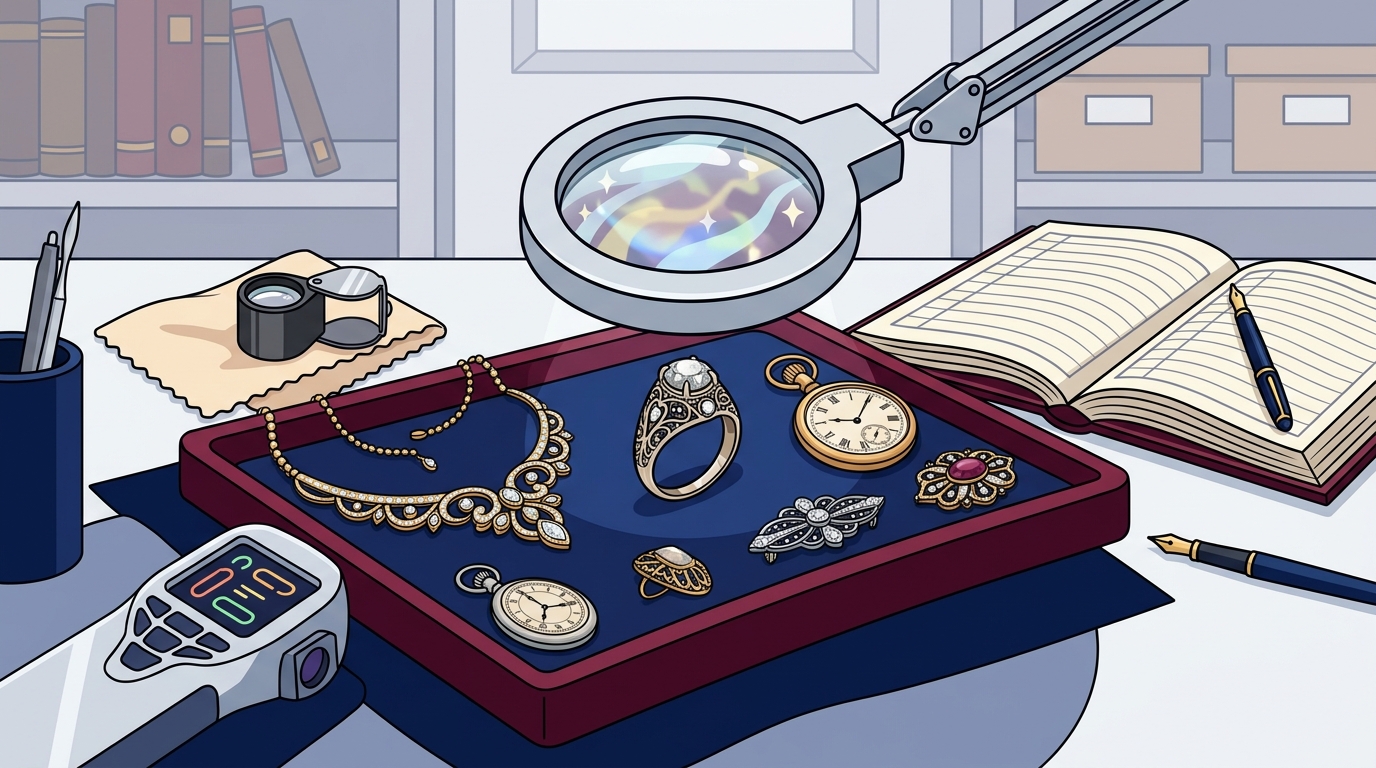
The physical condition of estate jewelry is a critical factor in its valuation. Pieces that are worn, damaged, or missing stones will fetch lower offers. However, condition does not always mean the piece is worthless. Many buyers specialize in restoring and reselling estate jewelry.
Common issues include bent bands, loose prongs, and tarnished metal. These problems are often easily fixable. Sellers should consider the cost of restoration versus the potential increase in sale price. In many cases, selling the piece "as-is" to a professional buyer is more convenient and financially sound.
Documentation of any previous repairs or restorations is helpful. It provides transparency and builds trust with potential buyers. Sellers should also clean their jewelry before evaluation. Gentle cleaning can remove dirt and oils, allowing the piece to sparkle and reveal its true condition.
Current Market Trends and Spot Prices
The value of estate jewelry is heavily influenced by current market trends. Precious metal prices fluctuate based on economic indicators, inflation, and global demand. During times of economic uncertainty, gold prices often rise as investors seek safe havens. This volatility can impact the immediate value of a seller's holdings.
Consumer preferences also shift over time. Certain styles or eras may become more popular, driving up demand. For instance, vintage Art Deco pieces have seen a resurgence in recent years. Understanding these trends can help sellers time their sales for maximum profit.
Online marketplaces have changed the landscape of jewelry sales. Platforms like eBay allow sellers to reach a global audience. However, they also require careful management of listings, shipping, and customer service. Professional buyers offer a streamlined alternative, providing immediate cash offers without the hassle of private sales.
Choosing the Right Buyer
Selecting the right buyer is perhaps the most important decision in the selling process. Sellers should look for reputable, licensed, and bonded businesses. Transparency is key. A trustworthy buyer will provide a clear, itemized breakdown of the offer, explaining how the value was calculated.
Avoid buyers who pressure you to make quick decisions or who offer vague estimates. Professional buyers take the time to inspect each piece carefully. They use advanced tools to test metal purity and verify gemstones. This thorough process ensures that the offer is fair and accurate.
Local buyers often provide a more personalized experience. They understand the regional market and can offer competitive prices. Additionally, selling locally eliminates the risks associated with shipping high-value items. It allows for immediate payment and peace of mind.
Comparison of Selling Options
| Selling Method | Pros | Cons | Best For |
|---|---|---|---|
| Professional Buyer | Immediate cash, no shipping risk, expert appraisal | Potentially lower offer than private sale | Quick liquidity, convenience |
| Online Marketplace | Access to global buyers, potentially higher price | Shipping risks, fees, time-consuming | Rare or high-value collectibles |
| Auction House | High potential for rare items, prestige | High commissions, slow payment process | Antique and luxury pieces |
| Pawn Shop | Immediate cash, no credit check | Lowest offers, loan-based model | Short-term cash needs |
Key Takeaways
- Estate jewelry includes any pre-owned piece, while antique jewelry is specifically over 100 years old.
- Metal purity is measured in karats for gold and percentage for silver, directly impacting base value.
- Gemstone value is determined by the 4Cs: Carat, Cut, Color, and Clarity for diamonds.
- Designer provenance can significantly increase value beyond material worth.
- Condition matters, but professional buyers often purchase pieces "as-is" for restoration.
- Market trends and spot prices fluctuate, affecting the immediate value of precious metals.
- Choosing a licensed, local buyer ensures transparency and immediate payment.
Frequently Asked Questions
What is the difference between estate and antique jewelry?
Estate jewelry refers to any pre-owned item, regardless of age. Antique jewelry is a specific subset that is at least 100 years old. Both can hold significant value, but antiques may carry historical premiums.
How is the value of gold jewelry determined?
The value is calculated based on the weight of the metal and its purity (karat), multiplied by the current spot price. Hallmarks inside the piece indicate the purity level.
Do I need an appraisal to sell my jewelry?
An appraisal is not strictly necessary for selling to a professional buyer. They will conduct their own independent assessment using certified scales and testing equipment.
Can I sell damaged or broken jewelry?
Yes, professional buyers purchase damaged or broken pieces. The value will be based on the scrap metal content and any remaining gemstones.
How quickly can I get paid for my estate jewelry?
Reputable local buyers typically provide immediate payment at the time of transaction. This contrasts with online sales or auctions, which can take weeks or months.
What documents do I need to sell jewelry?
You generally need a valid government-issued ID to verify your identity. If you have original receipts or gemological certificates, bring them as they can support the value.
Is it better to sell to a pawn shop or a specialized buyer?
Specialized buyers typically offer higher prices because they focus on the resale value of the items. Pawn shops often offer lower amounts as they are lending against the item.
Ready to Sell Your Estate Jewelry?
If you are looking to liquidate your estate jewelry, diamonds, or watches, visit the Lake Worth Gold Mine for a free, no-obligation evaluation. Our licensed experts provide fair market value offers based on daily spot prices. We are conveniently located at 8100 Lake Worth Road in Lake Worth, Florida. Contact us today to schedule your appointment and discover the true worth of your collection.