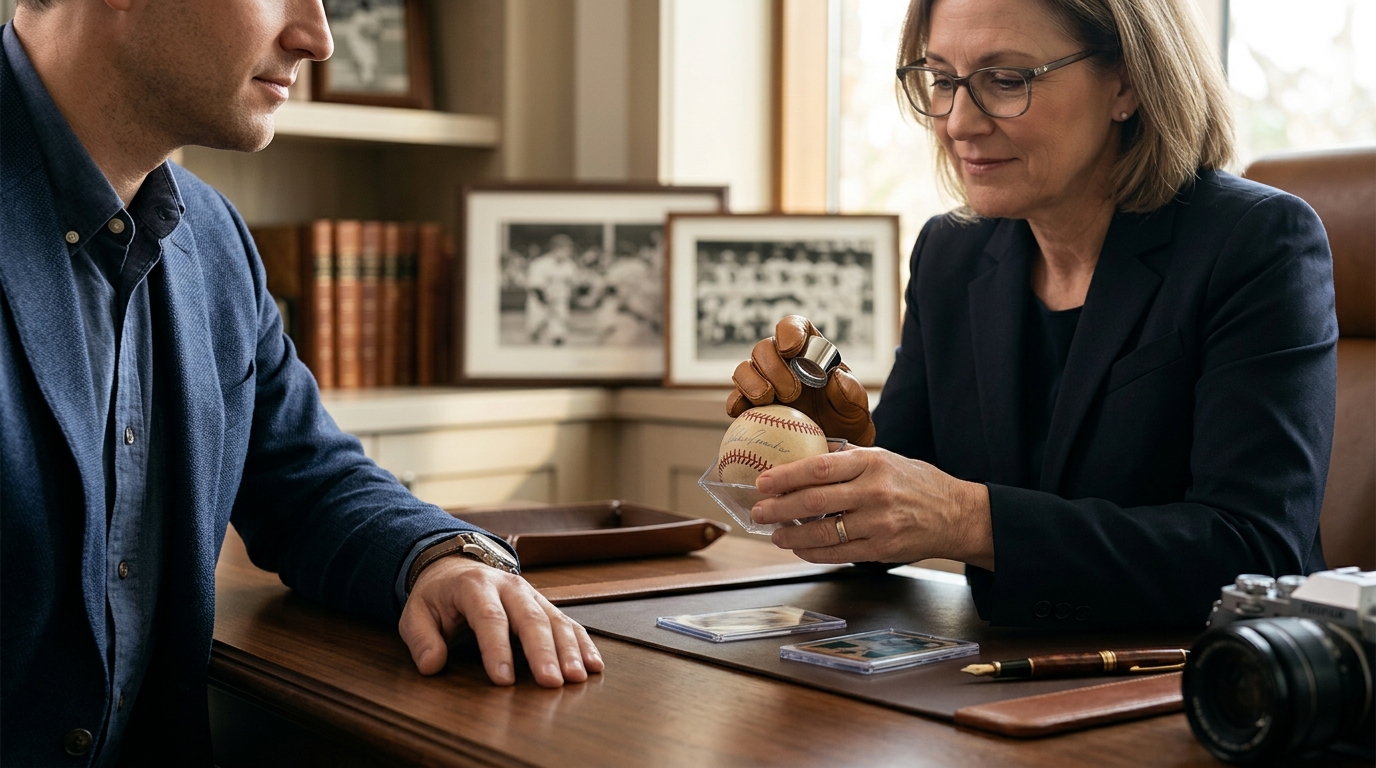
Selling high-value sports memorabilia is not a simple transaction. It requires a buyer who understands the nuances of authentication, grading, and market demand. According to recent industry data, the secondary market for sports collectibles has seen significant growth, with rare items often fetching prices far exceeding their initial retail value. However, finding a buyer who offers fair market value rather than a lowball pawn offer is critical. This guide outlines the essential steps to identify a reputable dealer who will treat your collection with the respect it deserves.
Understanding the Sports Memorabilia Market
The market for sports memorabilia is vast and complex. It ranges from mass-produced autographed jerseys to one-of-a-kind game-worn items. The value of these items is driven by scarcity, player significance, and condition. For collectors and sellers alike, understanding these drivers is the first step toward a successful sale.
Recent reports indicate that the global sports memorabilia market is valued in the billions, with a steady increase in demand for authenticated pieces. This growth has attracted many buyers, but not all are created equal. Some entities focus on volume, offering quick cash but low returns. Others, like the Lake Worth Gold Mine, focus on fair market value and long-term relationships with sellers.
When you hold a piece of history, whether it is a signed baseball or a vintage ticket stub, you want a buyer who recognizes its true worth. This requires a deep understanding of the specific niche. A generalist might undervalue a rare item, while a specialist will know exactly what collectors are willing to pay.
Why Authentication Is Non-Negotiable
Authentication is the cornerstone of the sports memorabilia industry. Without proof of authenticity, even the most iconic item can lose significant value. Authentication is the process of verifying the provenance and legitimacy of a collectible item. This often involves third-party grading services or certified authenticators.
Trusted buyers always require or strongly prefer authenticated items. If you are selling unauthenticated memorabilia, you may need to invest in the authentication process before selling. This step can significantly increase your final payout. For example, a signed jersey with a certificate of authenticity from a recognized body like PSA/DNA or JSA will command a higher price than one without.
At Lake Worth Gold Mine, we specialize in evaluating a wide range of collectibles, including signed sports items. Our team understands the importance of proper documentation and can guide you on the next steps if your items need certification.
Local Buyers vs. Online Marketplaces
When deciding where to sell your sports memorabilia, you generally have two main options: local buyers or online marketplaces. Each has its own set of advantages and disadvantages.
| Factor | Local Buyers | Online Marketplaces |
|---|---|---|
| Speed of Payment | Immediate cash on site | Delayed (after sale and shipping) |
| Security | High (in-person transaction) | Variable (risk of fraud or damage) |
| Market Reach | Limited to local collectors | Global audience of buyers |
| Fees | None or minimal | Listing and final value fees |
| Convenience | High (walk-in evaluation) | Low (packaging, shipping, listing) |
Local buyers offer the advantage of immediate payment and no shipping risks. You can bring your items in, get an evaluation, and receive cash on the spot. This is particularly appealing for high-value items where shipping insurance and liability are concerns.
Online marketplaces like eBay or specialized auction houses offer a broader audience. This can lead to higher bids for rare items. However, the process is time-consuming. You must handle photography, listing, customer service, and shipping. Additionally, fees can eat into your profits. For many sellers, the convenience and security of a local, reputable buyer outweigh the potential for a slightly higher online bid.
Red Flags to Avoid When Selling
Not all buyers are trustworthy. The collectibles market has its share of scammers and lowballers. Here are some red flags to watch out for:
- Upfront Fees: Legitimate buyers never ask you to pay fees upfront for evaluation or listing. If a buyer asks for money before they have seen the item, walk away.
- Vague Appraisals: A trusted buyer will provide a clear, detailed explanation of their offer. If they are vague or refuse to explain how they arrived at their price, be cautious.
- Pressure Tactics: High-pressure sales tactics are a sign of a dishonest operator. Take your time to compare offers and do your research.
- Lack of Transparency: Reputable businesses are open about their processes. They will show you their scales, explain their testing methods, and provide clear receipts.
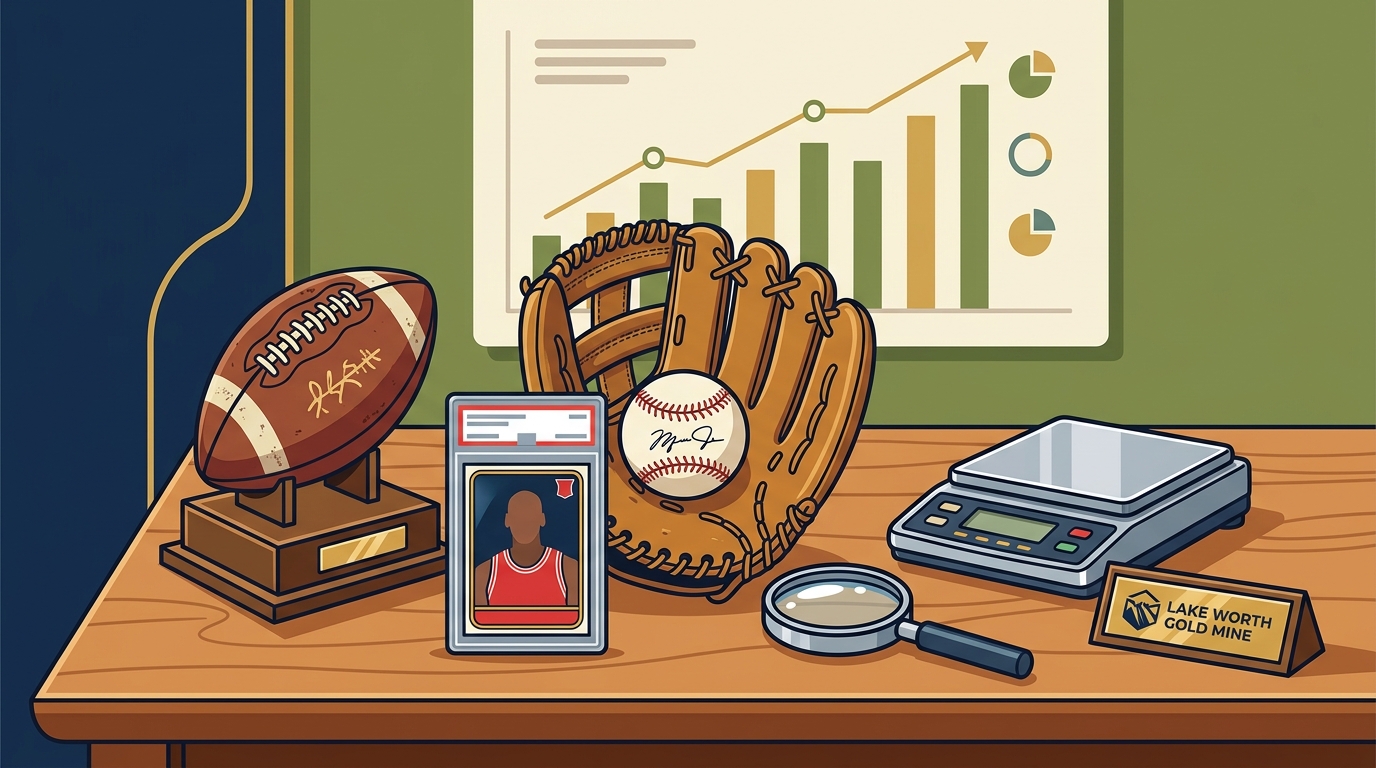
At Lake Worth Gold Mine, we pride ourselves on transparency. We sort, test, and weigh your items right in front of you. We do not use mail-in envelopes or make you wait for payment. Our offers are based on current market values, and we pay you real spending money at the time of transaction.
How to Evaluate a Potential Buyer
Choosing the right buyer is crucial. Here are some steps to help you evaluate potential dealers:
- Check Credentials: Ensure the buyer is licensed and bonded. In Florida, for example, second-hand dealers must adhere to specific state regulations. Lake Worth Gold Mine is licensed and bonded with Palm Beach County and the State of Florida.
- Read Reviews: Look for customer reviews on independent platforms. Consistent positive feedback is a good sign. We have been voted "Best of Palm Beach County" for five consecutive years, which reflects our commitment to customer satisfaction.
- Compare Offers: Get quotes from multiple buyers. This will give you a sense of the fair market value for your items. Do not settle for the first offer you receive.
- Assess Expertise: A good buyer should demonstrate knowledge of the specific items you are selling. They should be able to discuss the nuances of the collectible market.
- Visit the Store: If possible, visit the buyer's physical location. A professional, clean, and secure environment is a good indicator of their business practices.
Our team at Lake Worth Gold Mine is dedicated to providing a friendly, honest, and fair experience. We are a family-owned business that has been serving the community since 2010. We understand that selling collectibles can be an emotional process, and we strive to make it as smooth and rewarding as possible.
Key Takeaways
- Authentication Matters: Always seek authenticated items or get them authenticated before selling to maximize value.
- Local Benefits: Local buyers offer immediate payment and eliminate shipping risks.
- Verify Credentials: Ensure your buyer is licensed, bonded, and has a strong local reputation.
- Compare Offers: Never settle for the first offer; get multiple quotes to ensure fair market value.
- Transparency is Key: Choose a buyer who is open about their processes and pricing.
- Experience Counts: A long-standing business like Lake Worth Gold Mine offers stability and trust.
- No Upfront Fees: Legitimate buyers do not charge fees for evaluation or services.
Frequently Asked Questions
How do I know if my sports memorabilia is authentic?
Authenticity is typically verified through third-party grading services or certificates of authenticity from recognized bodies. If you are unsure, bring your items to a trusted buyer who can assess their condition and documentation.
Can I sell sports memorabilia at Lake Worth Gold Mine?
Yes, we buy a wide range of collectibles, including signed sports items, coins, and antiques. We offer free evaluations and fair market value for your items.
How quickly can I get paid for my collectibles?
At Lake Worth Gold Mine, payments are made at the time of transaction. You do not have to wait for checks or online transfers.
Do I need to ship my items to sell them?
No, we encourage you to bring your items to our store for a personal evaluation. This ensures a secure and transparent process.
What types of sports memorabilia do you buy?
We buy signed jerseys, baseballs, footballs, trading cards, and other sports-related collectibles. Our team is knowledgeable about the specific nuances of the sports memorabilia market.
Is Lake Worth Gold Mine a pawn shop?
No, we are not a pawn shop. We buy your items at fair market price. We do not lend against your items or offer in-store credits.
How often do you update your prices for collectibles?
Our offers are based on current market values. We monitor the market closely to ensure our sellers receive fair compensation for their items.
Contact Lake Worth Gold Mine
Ready to sell your sports memorabilia? Visit Lake Worth Gold Mine today for a free, no-obligation evaluation. We are conveniently located in Lake Worth, Florida, and have been serving the community with integrity for over 15 years. Bring your items in, and let us show you why we are the trusted choice for selling collectibles in Palm Beach County.