
When a loved one passes, the emotional weight of sorting through their belongings is often compounded by the financial pressure to liquidate assets quickly. Estate liquidation is not merely a cleanup task; it is a strategic financial process that can significantly impact your inheritance. According to recent industry data, families often leave between 10% and 30% of potential value on the table by using generic liquidation methods instead of targeted sales channels. This guide details the precise steps to identify, authenticate, and sell inherited gold, silver, jewelry, coins, and collectibles to ensure you receive fair market value.
Step 1: Identify and Catalog Your Assets
The first hurdle in estate liquidation is organization. Before contacting any buyers, you must create a detailed inventory. This process prevents items from being lost in estate sales or donated by mistake. Start by separating items into clear categories: precious metals, fine jewelry, numismatics (coins), and collectibles.
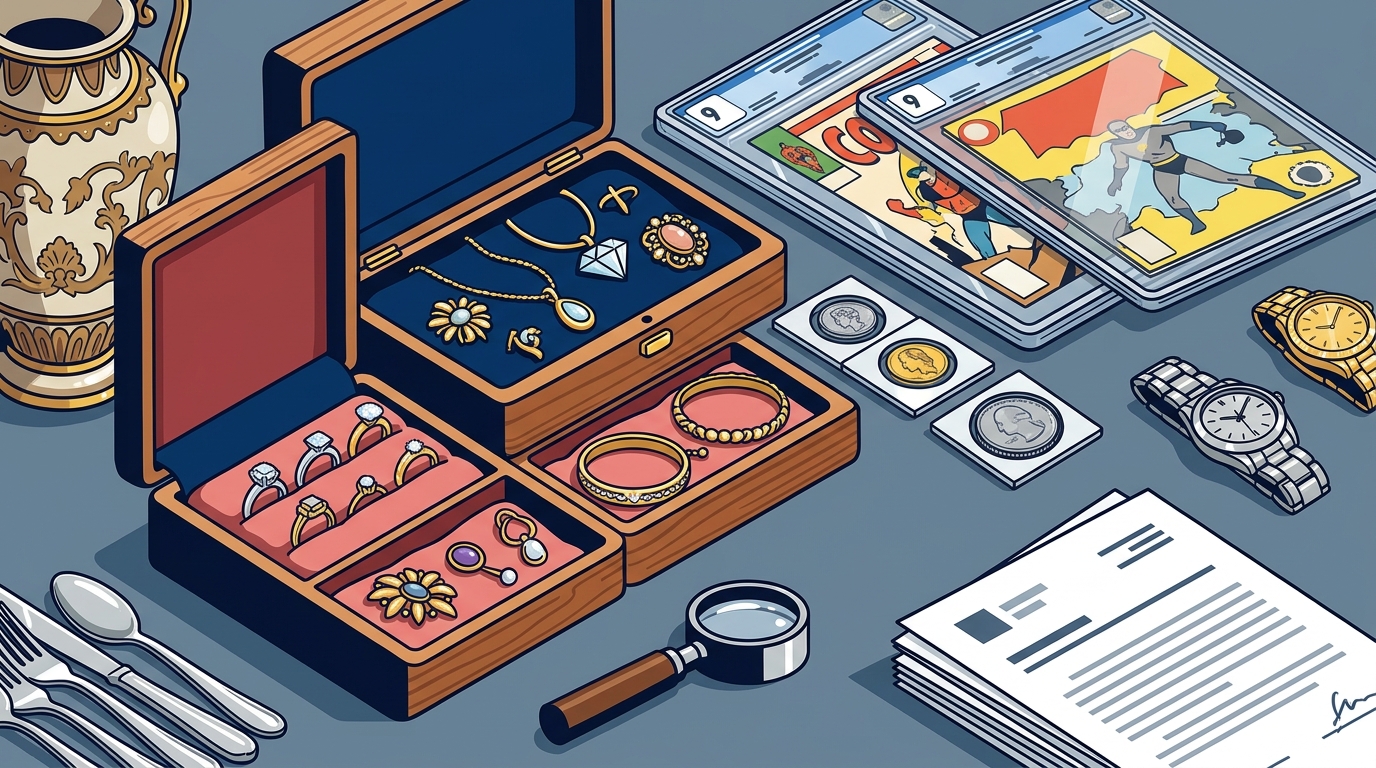
For gold and silver items, look for hallmark stamps. A stamp like "14K" or "585" indicates gold purity, while "925" denotes sterling silver. Gold jewelry often contains higher intrinsic value than you might expect, especially if it is heavy or solid rather than plated. Estate jewelry may also feature diamonds or gemstones. Document these with clear photographs and any known provenance, such as original receipts or appraisal documents from 2010 or earlier.
Coins require careful handling. Do not clean them, as cleaning can drastically reduce their numismatic value. Instead, note the year, mint mark, and denomination. Collectibles, including signed memorabilia or vintage handbags, should be assessed for authenticity. Coin collecting is a specialized field where condition is paramount. A single rare coin can outweigh the value of a box of common circulated currency.
Step 2: Authenticate and Grade Your Items
Authentication is the bridge between a guess and a guaranteed sale. Many estate items appear to be valuable antiques but are actually modern reproductions. Conversely, some unassuming items in a drawer may be high-value pieces overlooked by previous owners.
Professional appraisal is critical for high-value items. For diamonds and fine jewelry, seek a certified gemologist. For coins, third-party grading services like PCGS or NGC provide standardized grades that buyers trust. However, for everyday estate gold and silver, a reputable local buyer can provide immediate, accurate testing using electronic testers or acid tests.
When evaluating watches, check the movement and serial numbers. Brands like Rolex and Omega hold value differently based on their specific model and era. Fine watches often appreciate over time, making them a prime candidate for specialized sale rather than general liquidation. Ensure you have the box and papers if available, as these significantly boost resale value.
Step 3: Understand Current Market Valuation
Valuation depends on two distinct factors: intrinsic metal value and numismatic or collectible premium. Understanding the difference prevents you from underselling rare items or overestimating scrap value.
Spot Price vs. Retail Price. The spot price is the current market value of the raw metal. When selling gold or silver, you will receive a percentage of this spot price, minus a dealer margin. For example, if gold is trading at a historic high, your estate items are worth more in raw material value alone. However, if the item is a rare coin or a piece of designer jewelry, its value may exceed the metal content by hundreds of percent.
Tracking daily metal prices is essential. Daily metal prices fluctuate based on global economic conditions. Selling during a peak in gold or silver prices can result in a substantially higher payout. Conversely, if the market is volatile, locking in a price quickly with a reputable buyer is often the smarter financial move.
Step 4: Compare Selling Channels
Choosing the right buyer is the most critical decision in the estate liquidation process. Each channel offers different trade-offs between speed, convenience, and maximum profit.
| Selling Channel | Best For | Pros | Cons |
|---|---|---|---|
| Local Gold Buyer | Gold, Silver, Diamonds, Watches | Immediate cash, transparent testing, no shipping risk | Requires physical travel, limited to local market rates |
| Online Auction (eBay) | Rare Coins, Collectibles, Designer Items | Access to global bidder pool, potential for highest price | High fees, shipping risks, slow payment cycle |
| Estate Sale Company | Whole-house liquidation | Handles all labor, marketing, and cleanup | Lower net profit per item, takes weeks to complete |
| Pawn Shop | Quick cash loans | Instant access to funds | Offers loans, not sales; significantly lower payouts |
Avoid Pawn Brokers for Sales. A common mistake is treating a pawn shop as a buyer. Pawn brokers are in the lending business. They offer loans against your items, not fair market value. If you do not repay the loan, they keep the item. For a direct sale, you will receive a fraction of what a specialized buyer like Lake Worth Gold Mine would offer, as they do not need to factor in interest and risk.
Mail-in Services Carry Risk. While some online buyers offer mail-in options, the risk of loss, damage, or lowball offers upon receipt is significant. In-person transactions at a licensed, bonded facility ensure that your items are weighed and tested in front of you. You receive payment immediately, eliminating the uncertainty of waiting for checks or wire transfers.
Step 5: Navigate Tax Implications
Selling inherited assets can have tax consequences that many families overlook. In the United States, inherited assets generally receive a "step-up" in basis to the fair market value at the date of death. This means you may owe little to no capital gains tax if you sell the items for what they were worth when the estate was settled.
However, if you hold onto collectibles or rare coins for years after inheritance, any increase in value is subject to capital gains tax. IRS guidelines on estate taxation are complex. It is advisable to consult a tax professional regarding the specific valuation date of your inherited items. Keeping detailed records of your sale transactions and the appraisals used to determine value is crucial for compliance.
Key Takeaways
- Do Not Clean Rare Coins: Cleaning can destroy numismatic value. Handle coins by the edges and store them in protective holders.
- Verify Hallmarks: Look for stamps like "14K," "18K," "925," or "PT" to determine metal purity before selling.
- Choose Local Over Pawn: Local specialized buyers offer fair market value, whereas pawn shops offer loan values that are significantly lower.
- Track Metal Prices: Selling when gold or silver spot prices are high can increase your payout by hundreds of dollars.
- In-Person is Safest: Avoid mail-in services for high-value items to prevent loss or fraud. Test and weigh items in front of the buyer.
- Document Everything: Keep photos, appraisals, and sales receipts for tax purposes and to prove provenance.
- Family-Owned Trust: Businesses like Lake Worth Gold Mine have served the community for over 15 years, offering licensed and bonded transactions.
Frequently Asked Questions
How do I know if my inherited jewelry is real gold?
Look for hallmark stamps inside the band or on the clasp. Common stamps include 10K, 14K, 18K, and 24K for gold, and 925 for sterling silver. A professional buyer can perform a quick electronic test to confirm purity without damaging the item.
Is it better to sell estate items individually or as a lot?
High-value items like rare coins, designer watches, and large diamond pieces should be sold individually to maximize value. Lower-value items or bulk scrap gold can be sold together as a lot for convenience.
What is the difference between a gold buyer and a pawn shop?
A gold buyer purchases your items outright at fair market value. A pawn shop lends you money against your items and expects repayment with interest. If you want to sell, always choose a dedicated buyer.
Do I need an appraisal to sell my estate items?
For items under a few thousand dollars, a professional buyer's in-house evaluation is usually sufficient and free. For high-value estates or insurance purposes, a formal appraisal from a certified gemologist or numismatist is recommended.
How quickly can I get paid for my inherited gold?
At reputable local buyers, payment is immediate. You can receive cash, a certified check, or a direct wire transfer the same day you bring in your items.
Can I sell inherited diamonds without the original certificate?
Yes. While a GIA or AGS certificate helps establish value, it is not strictly required. A certified gemologist can evaluate the diamond's cut, clarity, color, and carat weight to determine its worth.
What should I do with broken or outdated jewelry?
Do not discard broken jewelry. It still contains precious metals. Gold and silver can be melted down and sold for their scrap value. Even broken diamond settings can be salvaged for the stones.
Ready to Maximize Your Estate Value?
Do not let valuable assets sit idle or be sold for pennies on the dollar. Whether you have gold jewelry, silver flatware, rare coins, or designer handbags, the experts at Lake Worth Gold Mine are ready to provide a fair, transparent evaluation. Visit our showroom in Lake Worth, Florida, or contact us today to schedule your free consultation. We are licensed, bonded, and committed to treating your estate with the respect and professionalism it deserves.