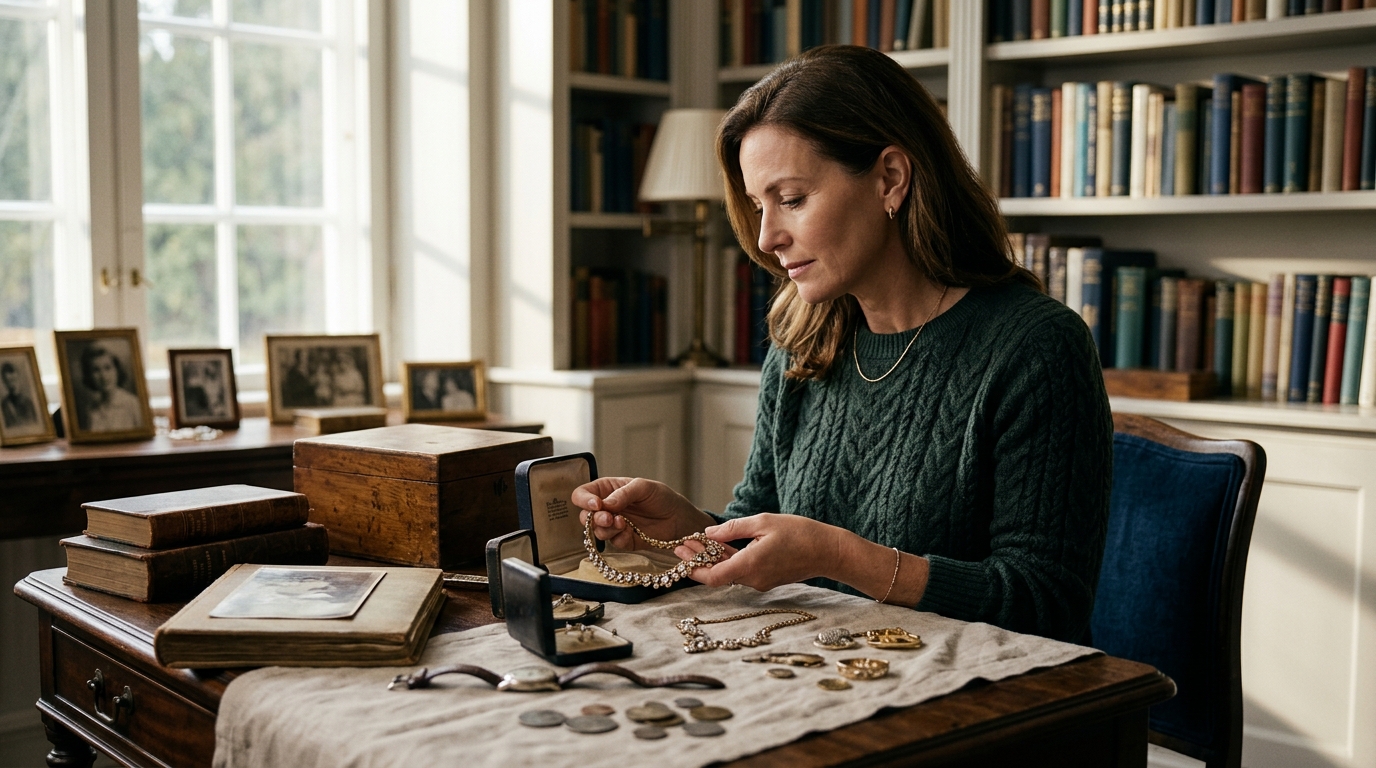
Receiving a collection of inherited items often brings a mix of emotional attachment and financial opportunity. According to recent market data, the secondary market for estate jewelry and collectibles has seen a significant surge in demand for authenticated pieces. This trend means that many families are now discovering that their loved ones' belongings hold substantial monetary value. However, navigating the complex landscape of estate sales requires careful planning to ensure you receive fair compensation while honoring the legacy of the items. (Customer Reviews Lake Worth)
Understanding the True Value of Estate Items
Before listing any item, it is crucial to understand what you actually own. Many families mistakenly assume that all gold or silver items are worth their melt value. This is a common misconception that can lead to significant financial loss. Estate jewelry is defined as pre-owned jewelry that has been passed down through generations or sold after the owner's death. Its value is determined not just by weight, but by craftsmanship, brand, condition, and rarity.
Similarly, estate coins are defined as currency that has circulated in commerce or been held in private collections prior to the current owner. Unlike bullion, which is valued strictly by metal content, coins often carry numismatic value based on their year, mint mark, and grade. For instance, a standard silver quarter might be worth a few dollars in melt value, but a rare proof version could be worth hundreds or thousands.
Watches also fall into a distinct category. Collectible watches are defined as timepieces that have gained value due to brand heritage, limited production runs, or historical significance. A luxury watch from a brand like Rolex or Patek Philippe may appreciate over time, whereas a standard fashion watch typically depreciates. Understanding these distinctions is the first step in maximizing your return.
Preparation and Documentation
Proper preparation can significantly increase the offers you receive. Buyers and dealers need to verify authenticity and condition before making a commitment. Start by organizing your items into clear categories. Separate gold from silver, diamonds from colored stones, and coins from paper money.
Documentation is equally important. If you have original receipts, appraisal documents, or certificates of authenticity, gather them immediately. These papers provide proof of origin and can justify higher valuations. For example, a GIA certificate for a diamond can instantly validate its clarity and cut, giving you leverage in negotiations.
Clean the items gently but do not attempt to restore them professionally. Over-cleaning can damage patina on coins or strip finishes on antiques. Instead, use a soft cloth to remove surface dust. This shows respect for the item's history while presenting it in the best possible light for potential buyers.
Comparing Selling Channels
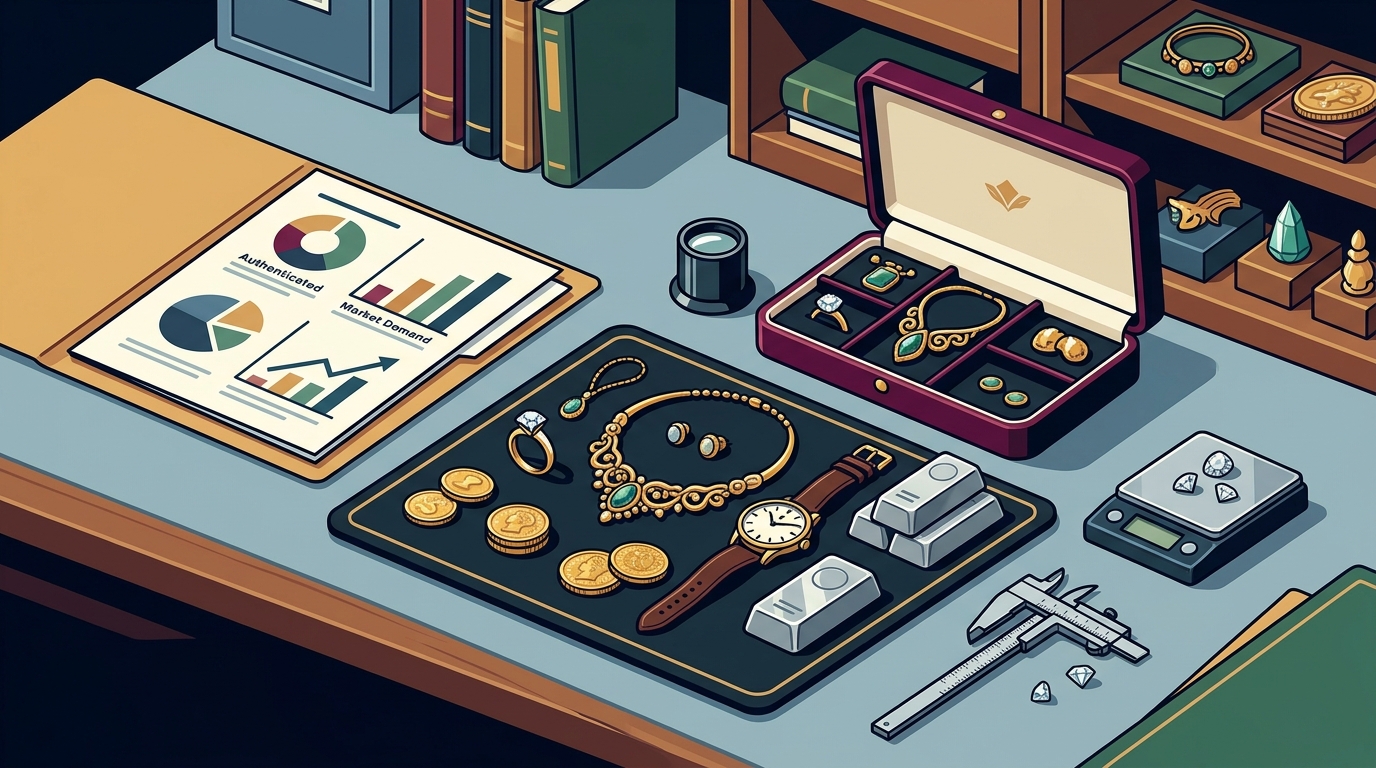
Choosing the right channel depends on the type of items you have, your timeline, and your desired level of effort. Below is a detailed breakdown of the most effective methods for selling estate items.
Local Gold and Jewelry Buyers
Selling to a local, reputable buyer offers the fastest route to cash. This method is ideal for gold jewelry, silverware, and common diamonds. The primary advantage is immediacy. You can walk in, receive an evaluation, and get paid on the spot. There is no waiting for auction results or shipping logistics.
However, you must choose your buyer carefully. Not all buyers offer fair market rates. Look for establishments that are transparent about their pricing models. For example, Lake Worth Gold Mine provides daily metal prices to ensure customers understand the baseline value of their gold and silver. This transparency helps prevent lowball offers.
Local buyers also excel in handling broken or outdated jewelry. Many people believe that broken chains or worn-out settings have no value. In reality, the gold content remains intact. A professional buyer will weigh the item accurately and pay based on the current spot price of gold, regardless of its aesthetic condition. This is a critical service for families clearing out estate homes filled with decades of accumulated jewelry.
Online Auction Platforms
Online auctions are best suited for high-value, rare, or niche collectibles. Platforms like eBay allow you to reach a global audience, which can drive up prices through competitive bidding. This method is particularly effective for rare coins, vintage watches, and designer handbags.
The downside is the time commitment. You must create detailed listings, take high-quality photographs, and manage shipping and customer service. Additionally, auction fees can eat into your profits. It is essential to calculate the final sale price after deducting platform commissions and shipping costs.
For those with a large volume of items, establishing a dedicated online store can be a viable long-term strategy. This allows you to build a brand and repeat customers over time. However, it requires significant upfront effort to set up and maintain.
Specialized Collectible Dealers
For specific categories like rare coins or antiques, specialized dealers offer expertise that general buyers lack. These dealers understand the nuances of grading and market trends. They can identify rare varieties or errors in coins that might be overlooked by a generalist.
When dealing with high-value items, such as a rare gold coin or a vintage diamond, a specialized dealer can provide a more accurate appraisal. They often have access to a network of collectors who are willing to pay a premium for specific pieces. This can result in a higher final sale price compared to a quick cash offer from a local buyer.
Tax Implications and Legal Considerations
Selling inherited items can have tax consequences that are often overlooked. In many jurisdictions, the value of inherited items is stepped up to their fair market value at the time of the original owner's death. This means you may not owe capital gains tax if you sell the items for less than their appraised value at that time.
However, if you sell an item for more than its stepped-up basis, you may owe capital gains tax on the profit. It is crucial to keep records of the appraisals and sale receipts. Consulting with a tax professional can help you navigate these complexities and minimize your liability.
Additionally, ensure you have the legal right to sell the items. If the estate is still in probate, you may need permission from the executor or the court. Selling items prematurely can complicate the legal process and lead to disputes among heirs.
Key Takeaways
- Valuation is Key: Always get multiple appraisals for high-value items to ensure you receive fair market value.
- Local Buyers Offer Speed: For gold and silver, local buyers provide immediate cash and transparent daily pricing.
- Documentation Matters: Original receipts and certificates can significantly increase the value of estate jewelry and coins.
- Choose the Right Channel: Use online auctions for rare collectibles and local buyers for quick liquidation of precious metals.
- Tax Awareness: Understand the stepped-up basis rules to avoid unexpected tax liabilities on inherited assets.
- Transparency is Vital: Work with buyers who provide clear explanations of their offers and daily metal prices.
- Professional Handling: Do not attempt to restore or clean items professionally; gentle cleaning is sufficient.
Frequently Asked Questions
How do I know if my inherited jewelry is valuable?
Look for hallmarks indicating gold purity, such as 14K or 18K. Check for brand stamps on watches and designer logos on handbags. For diamonds, look for grading certificates. A professional appraisal is the most reliable way to determine value.
Can I sell broken gold jewelry?
Yes, broken gold jewelry still has value based on its weight and purity. Local gold buyers will weigh the item and pay based on the current spot price of gold, regardless of its condition.
What is the best way to sell rare coins?
Rare coins are best sold through specialized numismatic dealers or online auction platforms that cater to collectors. These channels provide access to a targeted audience willing to pay a premium for rare varieties.
Do I need to pay taxes on inherited items I sell?
You may owe capital gains tax if you sell an item for more than its fair market value at the time of inheritance. Consult a tax professional to understand your specific obligations.
How often do gold prices change?
Gold prices change daily based on global market conditions. Reputable buyers update their offers daily to reflect the current spot price, ensuring fair compensation for sellers.
What documents do I need to sell estate items?
While not always required, having original receipts, appraisals, or certificates of authenticity can help verify the item's value and authenticity, leading to better offers.
Is it better to sell locally or online?
Local selling is faster and avoids shipping risks, making it ideal for precious metals. Online selling reaches a broader audience, which can be beneficial for rare collectibles and high-value items.
Ready to Get Fair Value for Your Estate Items?
Don't let your inherited treasures sit idle. Whether you have gold jewelry, rare coins, or designer pieces, getting a professional evaluation is the first step toward maximizing their value. Visit Lake Worth Gold Mine today for a free, no-obligation evaluation. Our experts are ready to help you navigate the estate selling process with transparency and fairness.