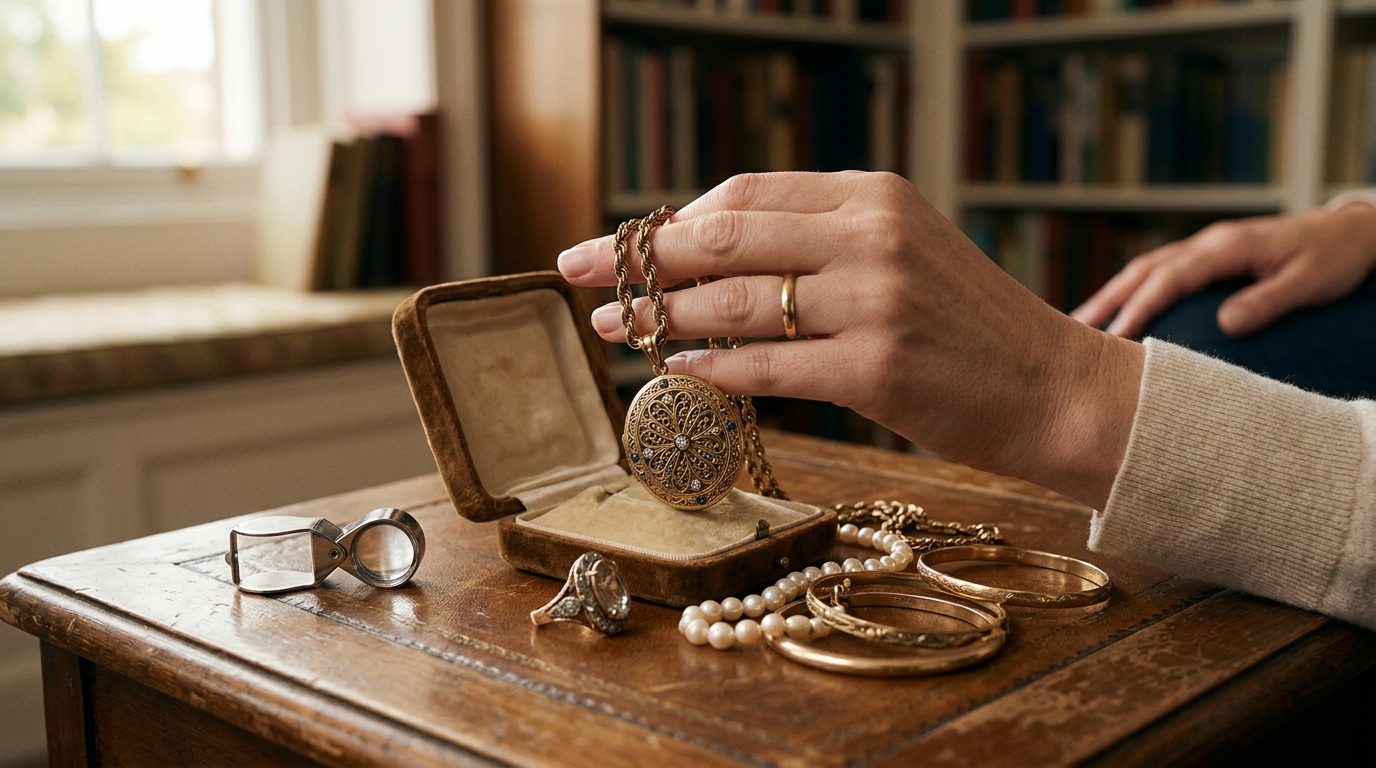
Understanding the true worth of inherited or vintage jewelry requires more than a casual glance. The global estate jewelry market is projected to grow significantly, with industry analysts noting that collectors are increasingly seeking unique, historical pieces over mass-produced modern alternatives. This shift means that proper evaluation is not just about weight, but about provenance and condition. If you are preparing to liquidate a family heirloom, knowing what to look for can mean the difference between a fair offer and a significant financial loss. This guide breaks down the essential components you must inspect before visiting a buyer.
Understanding Metal Purity and Hallmarks
The foundation of any estate jewelry valuation is the precious metal content. Gold, platinum, and silver are traded globally based on daily spot prices. However, the purity of the metal dictates the baseline value. Gold purity is measured in karats, where 24 karat gold is pure, and lower numbers indicate alloyed metals. For example, 14k gold contains 58.3% pure gold, while 18k gold contains 75% pure gold. Platinum is typically marked as 950 or 900, indicating its purity percentage.
When inspecting your pieces, look for hallmarks or stamps inside bands, on clasps, or near prongs. These stamps are the primary indicator of metal content. If a piece lacks a hallmark, it does not mean it is fake, but it does require professional testing. Acid tests or electronic testers are standard methods used by reputable buyers to determine purity without damaging the item. At the Lake Worth Gold Mine, we provide free evaluations to determine the exact metal composition of your items. You can learn more about our gold buying process to understand how we ensure accurate pricing.
Silver items are often marked with "Sterling," "925," or "999." Sterling silver is the most common standard for jewelry, containing 92.5% pure silver. Understanding these markings helps you set realistic expectations. If you are curious about current market rates, you can check our daily metal prices to see how fluctuations impact potential offers.
Evaluating Diamond Quality and Certification
Diamonds are valued using the Four Cs: Cut, Color, Clarity, and Carat Weight. In the estate market, the cut is often the most critical factor for brilliance. A well-cut diamond reflects light internally, creating sparkle. Poorly cut stones may appear dull even if they are large. Color ranges from D (colorless) to Z (light yellow or brown). Clarity refers to the absence of inclusions or blemishes. Carat weight is the actual mass of the stone.
For high-value diamonds, certification is crucial. Reports from the Gemological Institute of America (GIA) or the American Gem Society (AGS) provide an unbiased assessment of the diamond's quality. These documents are essential for insurance and resale. Without a certificate, buyers must rely on their own grading, which can lead to lower offers due to uncertainty. If you have a diamond with a GIA report, ensure you bring it with you during the evaluation. You can learn more about our diamond buying services to see how we handle certified stones.
Even without a certificate, a reputable buyer will grade the diamond in-house. However, having documentation streamlines the process and often results in a higher, more confident offer. It is important to note that diamond prices have seen volatility in recent years, with market data showing that certified stones retain value better than non-certified ones during economic shifts.
Identifying Gemstone Authenticity
Estate jewelry often features colored gemstones such as sapphires, rubies, emeralds, and amethysts. Authenticity is determined by whether the stone is natural, lab-created, or synthetic. Natural gemstones form over millions of years under specific geological conditions. Lab-created stones have the same chemical composition but are grown in a controlled environment. Synthetic stones may be glass or plastic imitations.
Visual inspection can sometimes reveal clues. Natural stones often have inclusions, tiny internal flaws that prove their origin. Lab-created stones are often too perfect. However, professional identification is necessary for accurate valuation. Treatments are also common. Many sapphires and rubies are heated to improve color and clarity. Disclosed treatments are standard, but undisclosed treatments can affect value. If you are unsure about your gemstones, you can learn more about our diamond and gemstone buying process to understand how we assess authenticity.
Understanding the difference between natural and treated stones is vital. A natural ruby with minor inclusions is often worth more than a flawless lab-created ruby. This distinction is a key factor in estate jewelry valuation. For more details on how we handle various gem types, visit our diamond buying page.
Assessing Historical Provenance and Era
The age and style of the jewelry can significantly impact its value. Certain eras, such as the Victorian, Edwardian, Art Deco, and Mid-Century Modern periods, are highly sought after by collectors. Art Deco jewelry, for example, is known for its geometric shapes and use of platinum. Victorian jewelry often features intricate gold work and sentimental motifs. Provenance, or the history of ownership, can add substantial value if it can be documented.
Look for designer marks or maker's stamps. Jewelry from renowned houses like Cartier, Van Cleef & Arpels, or Tiffany & Co. commands premium prices. Even unsigned pieces from these eras can be valuable if the craftsmanship is exceptional. If you suspect your piece is from a specific era, you can learn more about our estate jewelry buying services to see how we identify and value historical pieces.
Condition also plays a role in historical value. Originality is preferred over restoration. Heavy repairs or replating can diminish the value of antique pieces. A knowledgeable buyer can identify these alterations and adjust the offer accordingly. For insights into our approach to historical items, check our estate jewelry page.
Checking Mechanical Condition and Repairs
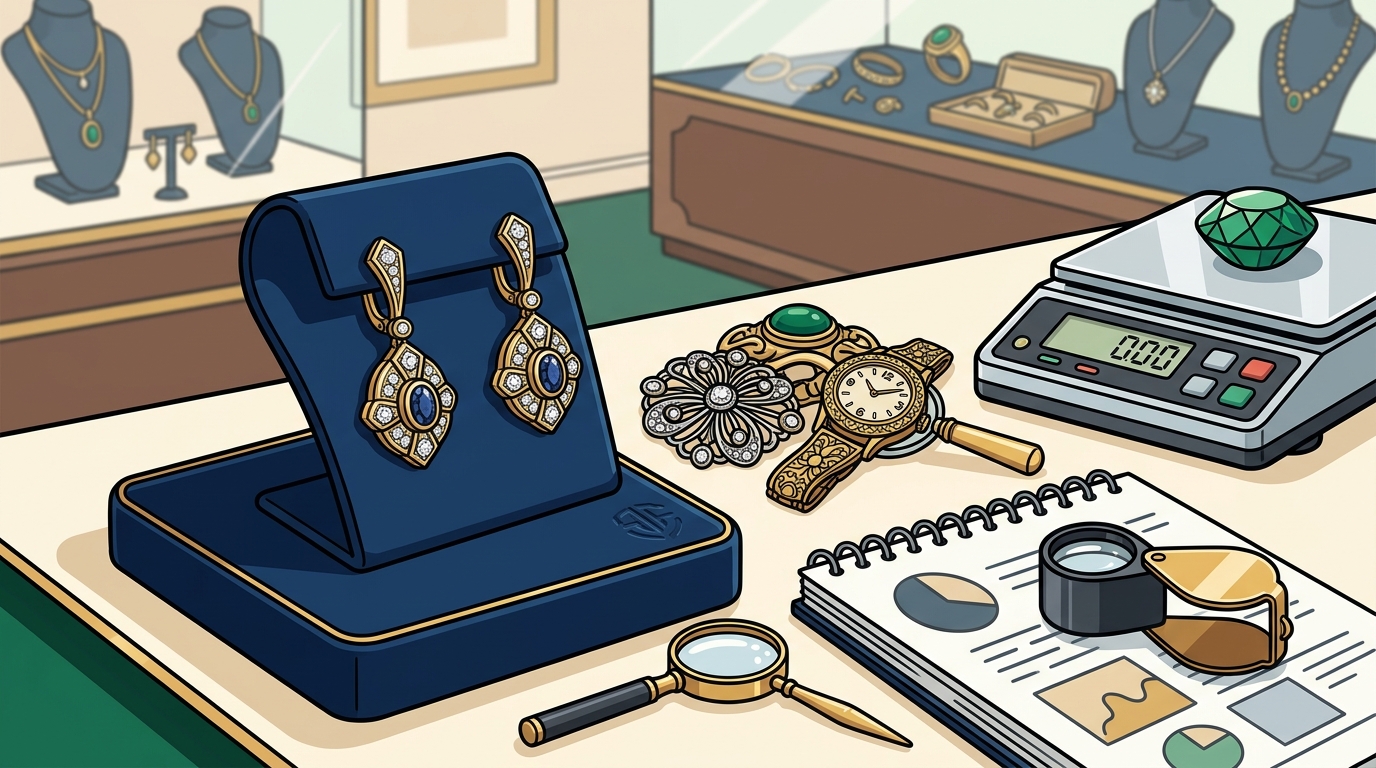
The structural integrity of the jewelry is a practical concern. Prongs that hold stones can wear down over time, risking the loss of gems. Clasps on necklaces and bracelets must function securely. Settings should be tight, with no loose stones. If a piece requires significant repair, the cost of restoration should be deducted from the offer.
Minor wear is expected in estate jewelry. Patina on silver or slight scratches on gold are normal and do not necessarily detract from value. However, broken chains, missing stones, or bent settings are significant issues. It is advisable to bring pieces in their current condition rather than attempting DIY repairs, which can cause further damage. You can learn more about our estate jewelry buying process to understand how condition affects valuation.
Our team at the Lake Worth Gold Mine inspects every piece for mechanical integrity. We provide honest feedback on any necessary repairs. This transparency ensures you understand the final offer. For more information on our evaluation standards, visit our estate jewelry page.
Comparing Buyer Options and Transparency
Not all buyers are created equal. Pawn shops, online mail-in services, and local jewelers offer different levels of service and pricing. Local jewelers often provide the highest offers because they can resell the items directly to collectors. Online services may offer convenience but often have lower prices due to shipping and handling risks. Pawn shops may offer quick cash but typically pay closer to the raw metal value.
Transparency is key. A reputable buyer will explain how they arrived at their offer. They should break down the value by metal weight, diamond quality, and gemstone authenticity. If a buyer refuses to show their work or pressures you to decide immediately, proceed with caution. The Lake Worth Gold Mine is committed to transparent pricing. You can learn more about our estate jewelry buying services to see how we ensure fair deals.
Customer reviews are a valuable resource. Reading feedback from previous sellers can give you insight into the buyer's reliability. We are proud to be voted "Best of Palm Beach County" for five years in a row. You can read our customer reviews to see what others have experienced.
Key Takeaways
- Metal Purity Matters: Always check for hallmarks like 14k, 18k, or 925 to determine baseline value.
- Diamond Certification: GIA or AGS reports significantly increase confidence and potential offers for diamonds.
- Provenance Adds Value: Designer marks and historical era identification can elevate the price of estate pieces.
- Condition is Critical: Loose stones or broken clasps reduce value due to necessary repair costs.
- Local Experts Win: Local jewelers often pay more than online buyers due to lower overhead and direct resale channels.
- Transparency is Essential: Choose buyers who explain their valuation breakdown clearly.
- Free Evaluations: Seek out businesses that offer free, no-obligation evaluations to compare offers.
Frequently Asked Questions
How do I know if my estate jewelry is valuable?
Value is determined by metal purity, gemstone quality, and historical significance. Look for hallmarks, designer marks, and certification reports. A professional evaluation is the best way to determine true worth.
Do I need an appraisal to sell my jewelry?
An appraisal is helpful for insurance purposes but is not always required for selling. Buyers will perform their own independent evaluation based on current market conditions and material content.
What is the difference between estate and antique jewelry?
Estate jewelry is any previously owned piece, regardless of age. Antique jewelry is typically at least 100 years old. Both can be valuable, but antiques often carry a premium for historical rarity.
How are gold prices determined for estate jewelry?
Gold prices are based on the daily spot market price, adjusted for the purity of the metal (karat) and the weight of the item. We check our daily metal prices to ensure accurate offers.
Can I sell jewelry with missing stones?
Yes, you can still sell jewelry with missing stones. The value will be adjusted based on the remaining metal and any intact gemstones. It is best to bring the piece in as-is.
How long does the selling process take?
The process is typically quick. At the Lake Worth Gold Mine, we provide offers on the spot after a brief evaluation. Payment is immediate upon acceptance.
Is it better to sell to a pawn shop or a jeweler?
Local jewelers often offer higher prices because they specialize in resale and have a direct customer base. Pawn shops may offer lower prices due to higher risk and different business models.
Ready to Sell Your Estate Jewelry?
Do not leave money on the table. Bring your gold, silver, diamonds, jewelry, fine watches, bullion, coins, and collectibles to the Lake Worth Gold Mine for a FREE evaluation. We are the best place to sell in Palm Beach County. Visit us at our in-store showroom or visit our homepage to find directions and hours. We look forward to helping you unlock the true value of your heirlooms.