
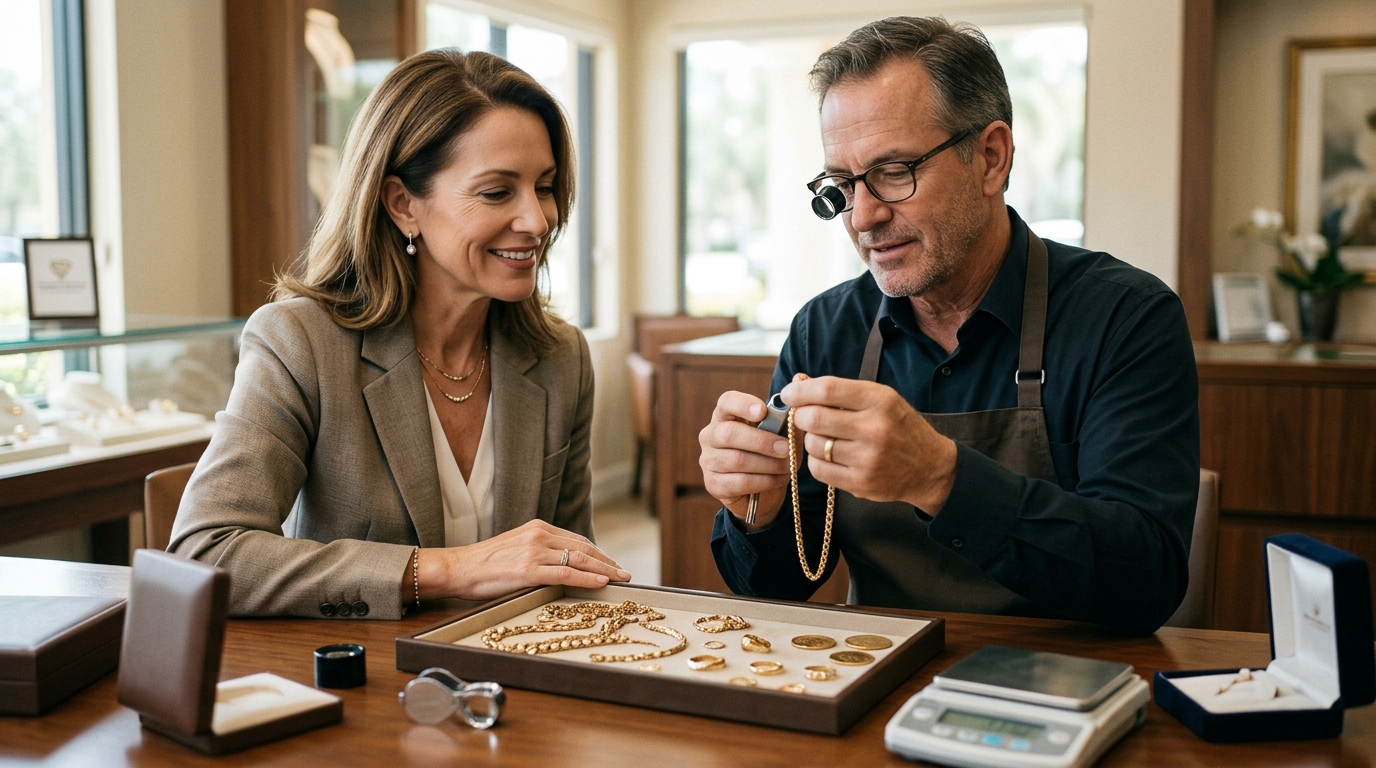
Gold jewelry valuation relies on precise market metrics and material composition. According to the United States Geological Survey, global gold production reached approximately 3,600 metric tons in 2023, establishing a baseline for spot pricing. Buyers calculate your payout by weighing the item, testing the karat rating, and comparing current market rates. This process ensures you receive fair compensation for precious metals. Understanding these mechanics helps sellers maximize returns during free evaluations. (Customer Reviews Lake Worth)
Market Factors
Spot pricing fluctuates daily based on global supply chains and investor demand. The London Bullion Market Association tracks these transactions across major exchanges. Buyers reference these live rates to calculate your base payout. Current spot pricing directly impacts your final offer. Regional economic shifts also influence local buyer margins. You should monitor daily metal prices before visiting a showroom. (Lake Worth Gold Mine)
Karat Weight and Composition
Spot price is the current market rate for raw precious metals traded on global exchanges. Karat weight is the standardized measurement indicating the percentage of pure gold within an alloy. Buyers examine hallmark stamps to verify purity. A twenty-four karat piece contains nearly pure metal. Fourteen karat jewelry mixes gold with copper or silver for durability. Testing equipment confirms these ratios before payment. (Blog Lake Worth Gold)
24 Karat Definition
Twenty-four karat gold represents the highest purity standard available. Buyers pay the maximum percentage of the spot rate for this material. You will find these pieces in investment bars or traditional heirlooms. The metal remains soft and requires careful handling.
14 Karat Definition
Fourteen karat gold contains fifty-eight percent pure gold. This alloy dominates modern jewelry markets due to its durability. Buyers factor in the lower gold percentage when calculating payouts. The remaining metal composition reduces the base material value.
Craftmanship and Brand Premium
Appraisal value is the certified monetary assessment provided by licensed gemologists for insurance or resale purposes. Craftsmanship often adds value beyond raw material weight. Designer labels command higher resale margins. Vintage pieces may carry historical significance. Buyers evaluate manufacturing techniques and brand recognition.
Designer Labels
Recognized fashion houses attach premium pricing to their creations. Buyers assess authenticity tags and original packaging. These items often sell faster than unbranded pieces. You should bring original receipts when possible.
Vintage Pieces
Mid-century designs attract collectors and interior decorators. Buyers research production eras and stylistic markers. Rare finishes increase the final offer amount. Proper storage preserves these collectible items.
Condition and Repair History
Physical wear directly reduces the final payout amount. Buyers inspect clasps, prongs, and surface scratches. Heavy polishing removes material weight over decades. Buyers calculate the net weight after accounting for wear. Stone settings must remain secure for full valuation.
Stone Setting
Loose gemstones reduce the overall offer significantly. Buyers verify that diamonds or sapphires remain firmly attached. Missing stones require immediate repair before final payment. Secure settings preserve the original craftsmanship value.
Metal Wear
Thin chains lose material through daily friction. Buyers weigh items before and after cleaning processes. Excessive thinning may disqualify certain pieces. Regular maintenance extends the usable lifespan of your collection.
Regional Market Dynamics
Local demand shapes inventory purchasing strategies. Buyers stock specific items to meet community preferences. Palm Beach County maintains high demand for estate jewelry. Regional regulations affect how precious metals are processed. Buyers maintain strict compliance with state trading laws.
Local Demand
Neighborhood preferences dictate which items buyers prioritize. Luxury watches and designer handbags move quickly. Buyers adjust their purchasing thresholds based on local trends. Consistent foot traffic supports competitive payout structures.
Inventory Needs
Restocking requirements influence individual item offers. Buyers seek specific karat ranges for their retail floors. High inventory levels may lower short-term payouts. Strategic timing improves your final compensation.
The Appraisal Process
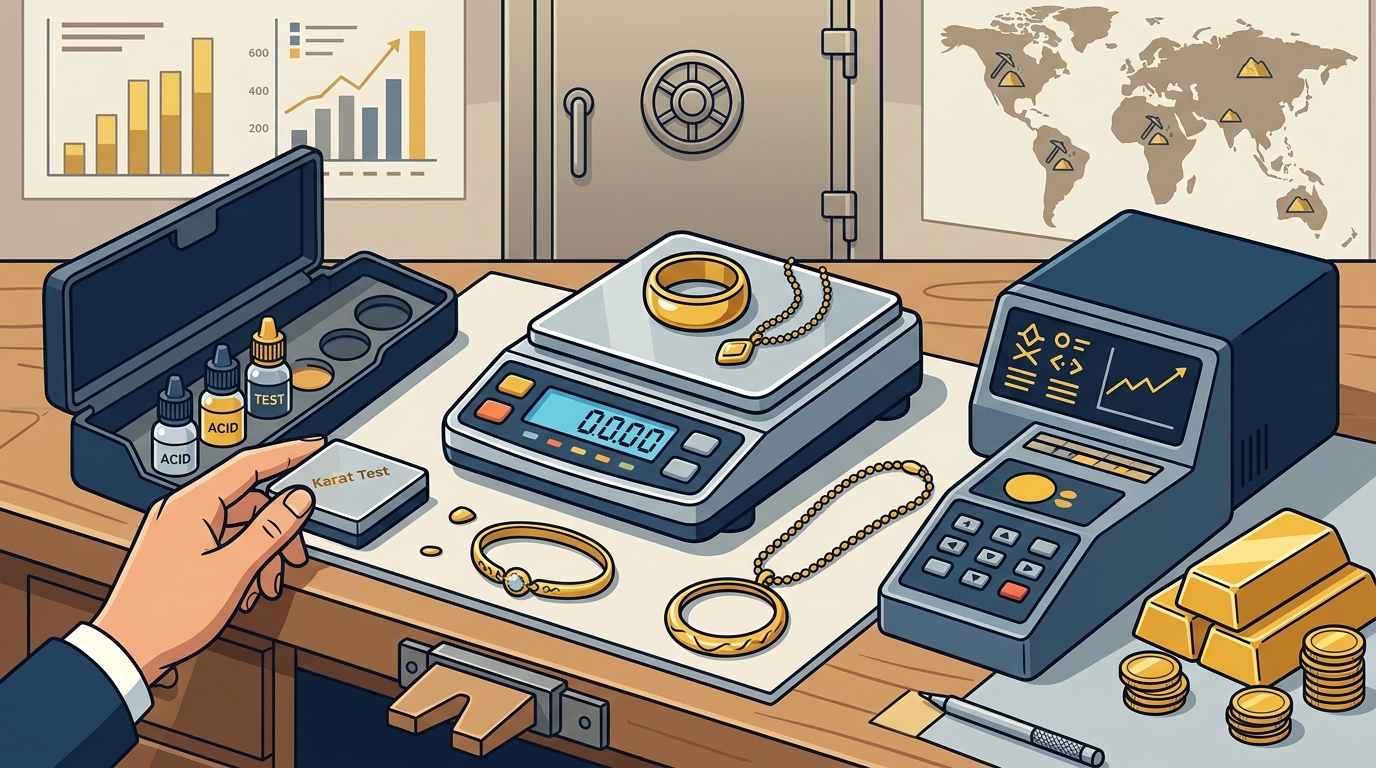
Professional evaluation follows a strict sequence of verification steps. Buyers weigh items on calibrated digital scales. Acid tests and electronic testers confirm metal purity. Independent appraisers provide documentation for high-value transactions. You should schedule an appointment for detailed assessments.
Testing Methods
Electronic testers measure electrical conductivity to verify purity. Acid tests react with specific metal compositions. Buyers use multiple verification methods for accuracy. Transparent testing builds trust with first-time sellers.
Final Offer
Buyers combine weight, purity, and craftsmanship data. They compare these metrics against current market rates. The final offer reflects fair market value. You can accept or decline the proposal immediately.
Valuation Summary Table
| Valuation Factor | Impact on Payout | Buyer Action |
|---|---|---|
| Net Weight | Primary calculation driver | Weigh on calibrated scales |
| Karat Rating | Defines pure metal percentage | Verify against spot rates |
| Brand Recognition | Adds premium resale margin | Authenticate designer labels |
| Physical Condition | Reduces value if damaged | Inspect clasps and stones |
Key Takeaways
- Global gold production reached approximately 3,600 metric tons in 2023, establishing baseline pricing.
- Spot price is the current market rate for raw precious metals traded on global exchanges.
- Karat weight is the standardized measurement indicating the percentage of pure gold within an alloy.
- Appraisal value is the certified monetary assessment provided by licensed gemologists for insurance or resale purposes.
- Buyers maintain strict compliance with regional trading regulations and daily market fluctuations.
- Designer labels and vintage pieces command higher resale margins than unbranded items.
- Physical wear and loose stones directly reduce final payout amounts.
Frequently Asked Questions
How do buyers calculate the final payout amount?
Buyers multiply the net weight by the current spot price. They adjust the calculation based on the karat rating. Craftsmanship premiums may increase the final offer. Regional demand factors influence the final number.
Do buyers purchase damaged or broken gold jewelry?
Buyers accept broken pieces as long as the metal remains intact. Missing stones reduce the overall payout significantly. Heavy polishing or thinning may disqualify certain items. You should bring all original components for accurate valuation.
How often do spot prices change?
Spot prices update continuously during global trading hours. Buyers reference these rates daily to calculate payouts. Market volatility directly impacts your final compensation. Monitoring daily metal prices helps you time your sale.
What documentation do I need for high-value transactions?
Original receipts and authentication certificates improve your offer. Buyers verify hallmark stamps and brand tags. Independent appraisals provide additional leverage for premium items. Proper documentation streamlines the entire evaluation process.
Can I sell estate jewelry without original packaging?
Buyers evaluate estate pieces based on material composition alone. Original packaging adds convenience but does not determine value. Authenticity tags and brand markers assist with verification. You should bring any available historical records.
How long does the evaluation process take?
Standard evaluations require approximately fifteen to thirty minutes. Complex items with multiple gemstones may take longer. Buyers use calibrated equipment for precise measurements. You receive your final offer immediately after testing.
Do buyers offer payment for unmarked gold items?
Buyers test unmarked pieces using electronic and acid methods. The final payout reflects the verified purity percentage. Unmarked items may receive slightly lower offers due to verification costs. You should bring all items for comprehensive testing.
Ready to Sell Your Gold?
Visit our showroom for a complimentary evaluation today. Our experienced buyers provide transparent pricing and immediate payment. Schedule your appointment through our official website or call our Palm Beach County location directly. We handle gold, silver, diamonds, watches, and collectibles with professional care. Bring your items in for a free assessment and discover your true market value.