
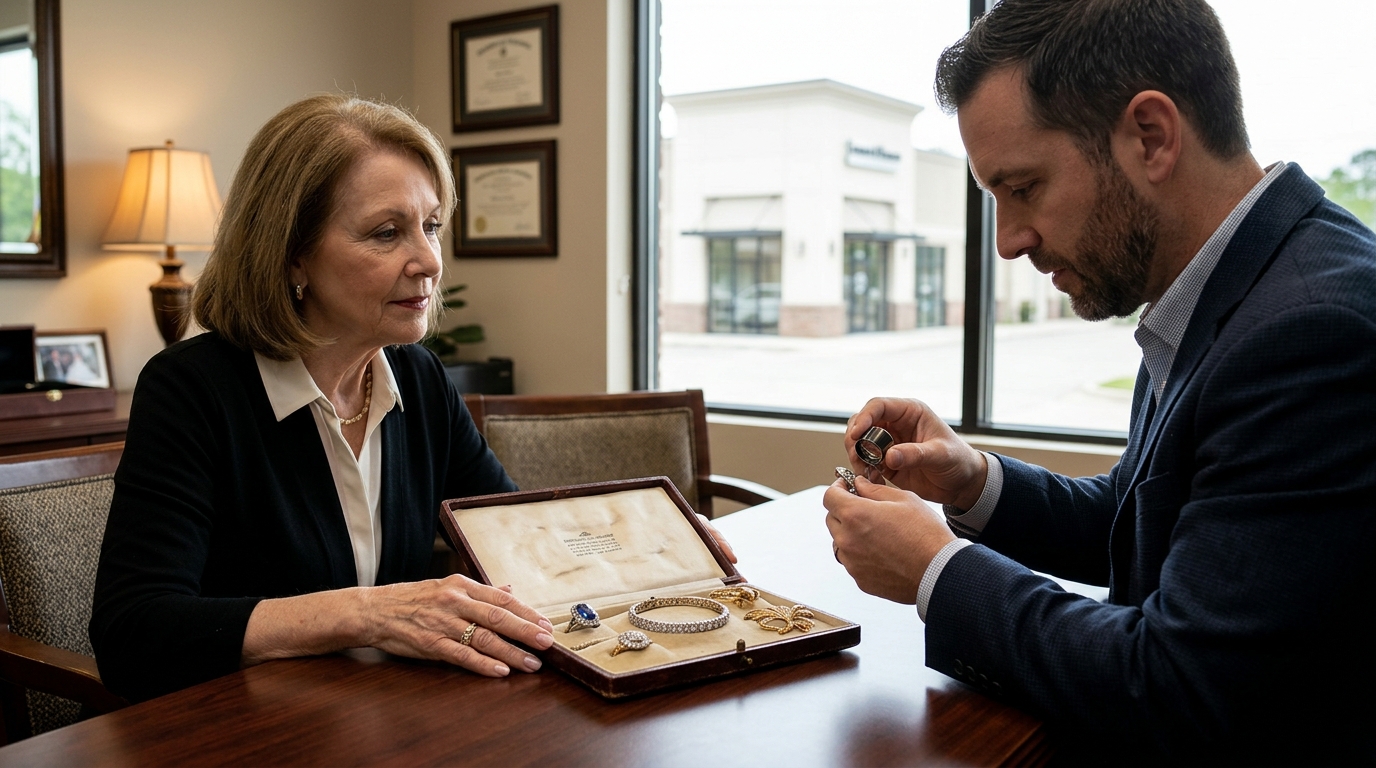
Estate jewelry represents a significant portion of the secondary precious metals market, with industry reports indicating that approximately 35 percent of all precious metal transactions involve pre-owned pieces. According to the National Association of Jewelry Appraisers, this segment continues to expand as collectors prioritize sustainable acquisition methods. You must evaluate several critical factors before handing over your collection to a professional buyer. Understanding these elements ensures you receive fair market value for your heirlooms. Proper preparation directly impacts your final payout.
Identify Precious Metal Content
Understanding Hallmarks and Stamps
Every piece of precious metal carries specific hallmarks that dictate its baseline worth. Gold stamps typically display numbers like 14k or 18k to indicate purity levels. Silver items usually feature 925 or sterling markings to confirm alloy composition. Platinum pieces often carry 950 or pt stamps to verify density and value. Accurate hallmark recognition prevents undervaluation during initial assessments.
A hallmark is an official stamp applied by certified assayers to verify metal purity. These marks provide immediate transparency regarding material composition. You should inspect every clasp, band, and setting for these indicators. Missing stamps do not automatically reduce value. Professional buyers utilize acid testing and X-ray fluorescence to confirm exact compositions.
Verify Gemstone Authenticity
Distinguishing Natural from Synthetic Stones
Authentic gemstones significantly increase the resale value of any estate collection. Natural diamonds form under extreme geological pressure over millions of years. Lab-grown alternatives offer identical chemical structures but lack historical rarity. You should examine stones under magnification to identify natural inclusions. Professional gemological grading provides definitive authenticity verification.
Provenance is the documented history of ownership that establishes legal and historical value. Collectors actively search for verified provenance documents to confirm ownership history. These records often include previous auction catalogs or family inheritance letters. Buyers prioritize pieces with unbroken chains of custody. Transparent ownership records directly correlate with higher secondary market pricing.
Assess Maker Marks and Provenance
Tracing Designer Signatures
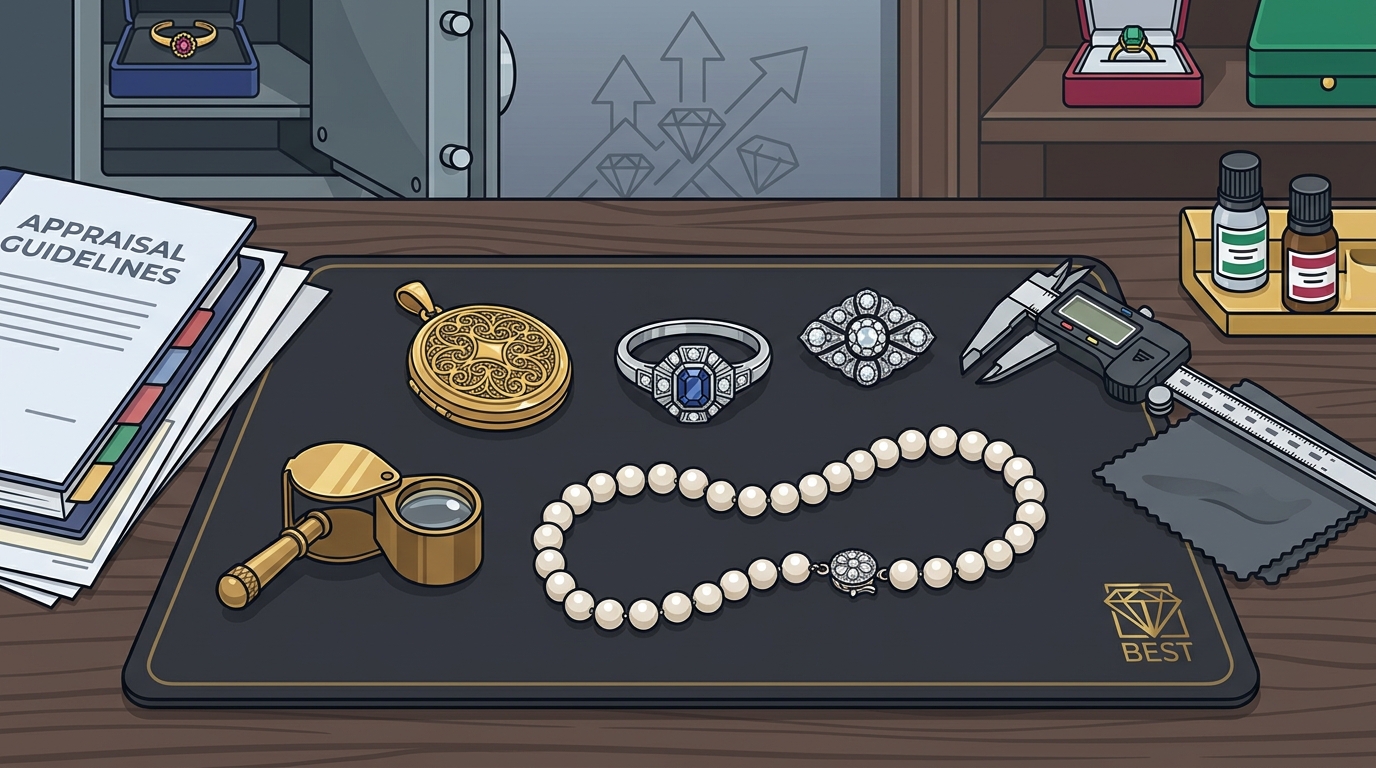
Designer jewelry commands premium pricing when original maker marks remain intact. Cartier, Tiffany, and Van Cleef pieces often feature distinct logos or serial numbers. These signatures directly correlate with secondary market demand. Collectors actively search for verified provenance documents to confirm ownership history. Authenticated designer pieces typically appreciate faster than unmarked alternatives.
Market analysts report that branded estate items consistently outperform unmarked counterparts by 40 percent. This performance gap stems from brand recognition and consistent manufacturing standards. You should photograph every logo, serial number, and engraving before visiting a showroom. High-resolution images assist remote appraisers in preliminary valuations. Clear visual documentation accelerates the entire transaction process.
Evaluate Condition and Wear
Structural Integrity and Repair Needs
Physical condition heavily influences final payout offers from reputable buyers. Broken clasps, missing stones, or heavily scratched surfaces reduce marketability. Professional restoration services can sometimes restore original value. You should document existing damage before visiting a showroom. Transparent condition reporting builds trust with experienced appraisers.
Industry data shows that well-maintained pieces command 25 percent higher resale values than heavily worn alternatives. Regular cleaning and proper storage prevent irreversible surface degradation. You should avoid harsh chemicals or abrasive polishing cloths at home. Gentle maintenance preserves original finishes and structural integrity. Preserving original condition maximizes your final payout offer.
Compare Buyer Payout Structures
Understanding Pricing Models
Different buyers utilize distinct pricing frameworks to calculate final offers. Some institutions pay based on current spot metal prices. Others factor in retail markup and collectible premiums. You must compare multiple quotes to secure the highest return. Transparent pricing models eliminate hidden deduction surprises.
Financial reports indicate that average estate jewelry transactions exceed 12 million dollars annually across specialized markets. This substantial volume reflects growing consumer confidence in secondary precious metal exchanges. You should request written payout estimates before committing to any sale. Written agreements protect both parties from unexpected valuation shifts. Clear contractual terms ensure a smooth and predictable transaction.
Prepare Documentation for Appraisal
Organizing Certificates and Receipts
Original purchase receipts and independent appraisal certificates streamline the selling process. These documents provide verified weight measurements and stone specifications. Buyers rely on certified paperwork to expedite transactions. You should gather all available records before scheduling an appointment. Complete documentation accelerates approval timelines significantly.
Regulatory guidelines require precise documentation for high-value precious metal exchanges. Certified appraisers must verify exact carat weights and clarity grades. You should organize all paperwork chronologically to assist appraisers. Disorganized records often delay final payout processing. Meticulous preparation demonstrates professionalism and respect for the transaction.
Comparison of Estate Jewelry Evaluation Factors
| Factor | Impact on Value | Verification Method | Recommended Action |
|---|---|---|---|
| Gold Purity | High | Hallmark inspection | Consult gold specialists |
| Diamond Quality | Very High | GIA certification | Request diamond appraisal |
| Designer Marks | Variable | Logo verification | Submit designer pieces |
| Physical Condition | Moderate | Visual inspection | Schedule estate evaluation |
| Market Demand | High | Spot price tracking | Monitor daily metal prices |
Key Takeaways
- Estate jewelry accounts for approximately 35 percent of secondary precious metal transactions.
- Gold hallmarks like 14k or 18k directly determine baseline metal value.
- Designer maker marks significantly increase secondary market demand and pricing.
- Original certificates and receipts streamline the final payout process.
- Physical condition and structural integrity heavily influence buyer offers.
- Transparent pricing models prevent hidden deduction surprises during sales.
- Professional gemological grading provides definitive authenticity verification for stones.
Frequently Asked Questions
How do I know if my estate jewelry is valuable?
Value depends on metal purity, gemstone quality, and brand provenance. You should request a free professional evaluation to determine exact worth.
Do I need original receipts to sell estate jewelry?
Original receipts are helpful but not strictly required. Professional appraisers can verify value through independent testing and market analysis.
What is the difference between estate and vintage jewelry?
Estate jewelry refers to any previously owned piece regardless of age. Vintage jewelry specifically denotes items at least 20 years old. Both categories carry distinct market values.
How are gold prices calculated for estate pieces?
Buyers calculate payouts based on current spot metal prices and exact weight. They subtract standard refining fees to determine your final offer.
Can I sell damaged or broken estate jewelry?
Yes, damaged pieces still contain recoverable precious metals and stones. Professional buyers purchase broken items for material recovery and restoration.
What documents should I bring to a jewelry buyer?
Bring any original certificates, receipts, or previous appraisal reports. These documents verify weight, stone quality, and ownership history.
Ready to Sell Your Collection?
Visit the Lake Worth Gold Mine today for a complimentary evaluation. Our experienced team handles gold, silver, diamonds, watches, and collectibles. Schedule your appointment now to receive a competitive offer. We serve Palm Beach County with transparent pricing and immediate payouts.