According to the Internal Revenue Service, transactions involving precious metals exceeding specific thresholds require strict documentation to ensure compliance with federal reporting standards. Selling gold coins locally demands more than just the physical assets, as buyers must verify identity and source to prevent money laundering and maintain market integrity. This guide outlines the essential paperwork and identification required to complete a successful sale at a reputable Palm Beach County dealer, ensuring you receive a fair and legal transaction.
Primary Identification Requirements
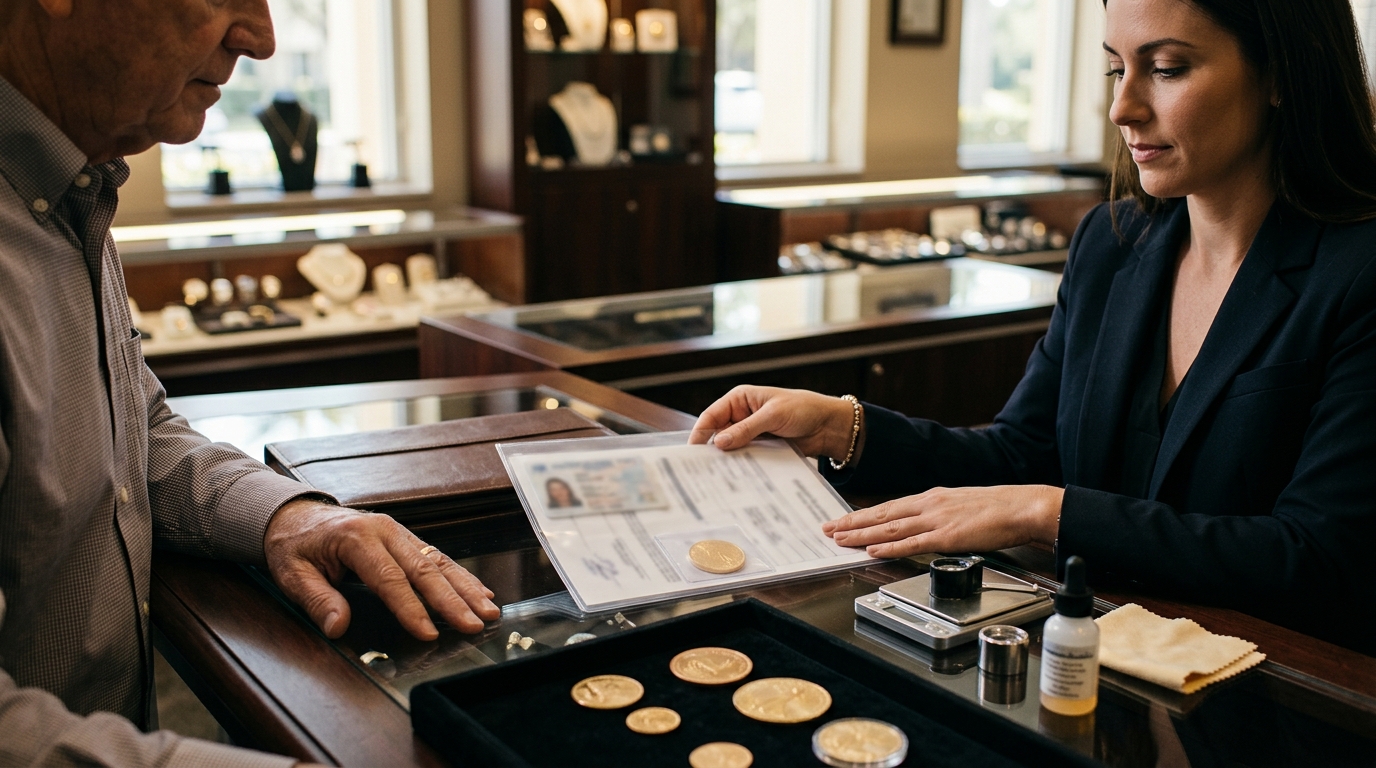
When you visit a local gold buyer, the first step involves presenting a valid government-issued photo identification. This document serves as the primary verification of your legal identity and age. Most reputable dealers, including the team at Lake Worth Gold Mine, require a current driver's license, state ID, or passport. This process protects both parties and ensures the transaction adheres to local laws. Without proper identification, the dealer cannot legally complete the exchange, regardless of the coin's value. Ensure your ID is unexpired and clearly legible to avoid delays during the intake process.
Proof of Ownership and Provenance
While not always mandatory for small transactions, providing proof of ownership can expedite the process for high-value collections. This documentation might include original purchase receipts, auction records, or previous appraisal certificates. Having these records demonstrates clear title and helps the dealer assess the coin's history accurately. According to the American Numismatic Association, collectors often prioritize coins with documented provenance, which can significantly enhance the final offer. If you have lost original receipts, a detailed inventory list with photos and descriptions can sometimes suffice, though it may require additional verification steps.
Regulatory Compliance and Reporting
Florida regulations impose specific reporting requirements on precious metal dealers to combat illicit activities. Transactions above certain monetary limits trigger mandatory reporting forms that the dealer must file with state and federal authorities. Understanding these rules helps sellers anticipate potential delays and ensures a transparent exchange. Florida Statutes mandate detailed record-keeping for transactions involving precious metals to maintain financial transparency. Sellers should be prepared to sign declaration forms confirming the legal source of their coins. This compliance protects the seller from future legal inquiries and ensures the dealer operates within the bounds of the law.
Preparing Your Coins for Evaluation
Before arriving at the showroom, organize your coins by type and condition. Grouping bullion coins separately from numismatic pieces allows the appraiser to apply the correct valuation methodology. Clean your hands with gloves to avoid transferring oils to the metal surfaces, as handling can affect grading and value. Bringing a list of your coins, including mint years and denominations, assists the appraiser in conducting a faster and more accurate assessment. This preparation demonstrates respect for the dealer's time and often results in a more favorable evaluation experience.
Understanding the Evaluation Process
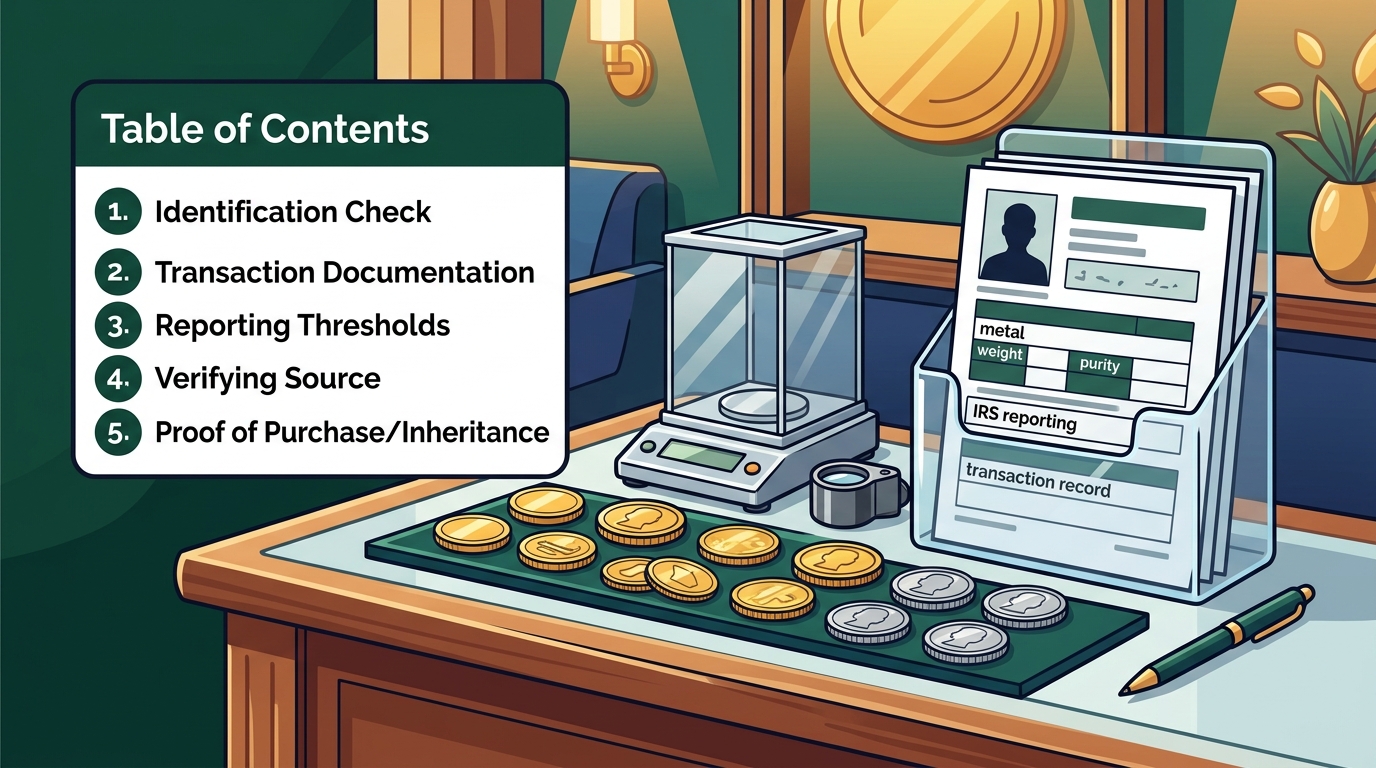
The evaluation involves verifying the metal content, checking for counterfeits, and assessing rarity. The Lake Worth Gold Mine utilizes advanced testing equipment to determine exact purity and weight. This rigorous process guarantees you receive a fair price based on current market data and the coin's specific attributes. The appraiser will compare your coins against the daily metal prices and numismatic market trends. This transparency ensures you understand exactly how your offer is calculated. Reading customer reviews confirms the dealer's reliability and transparency, giving you confidence in the evaluation outcome.
Maximizing Your Sale Value
To maximize your return, research recent sales of similar coins and monitor daily metal prices. Selling during periods of high gold demand can yield better results. The Lake Worth Gold Mine offers competitive rates and has been voted Best of Palm Beach County for five consecutive years, ensuring a trustworthy transaction. You can also explore their online inventory at the Ebay Coin Store to see how similar coins are valued in the retail market. Additionally, the store frequently hosts special events, such as the 15 Year Celebration, which may offer discounts on purchases or special promotions for sellers. Visiting the 15 Year Celebration page provides details on current offers and community engagement.
Key Takeaways
- A valid government-issued photo ID is mandatory for all transactions to verify identity and age.
- Proof of ownership, such as receipts or appraisal certificates, can enhance offers for numismatic coins.
- Florida regulations require dealers to file reports for transactions exceeding specific monetary thresholds.
- Organizing coins by type and condition streamlines the evaluation process and improves accuracy.
- The Lake Worth Gold Mine has been voted Best of Palm Beach County for five consecutive years.
- Checking daily metal prices and numismatic trends helps sellers time their sales effectively.
- Numismatic value is the premium price assigned to a coin based on rarity, condition, and historical demand rather than intrinsic metal weight.
- Bullion coin is a precious metal coin minted by a government for sale to investors, typically containing a specified weight and purity of gold or silver.
- Proof of ownership is documentation or a transaction history that establishes the legal right of the seller to transfer the asset to a buyer.
Frequently Asked Questions
Do I need a receipt to sell gold coins?
A receipt is not strictly required to sell gold coins, but it can significantly speed up the process and potentially increase your offer. Original purchase receipts or auction records provide proof of ownership and help establish the coin's provenance. Without a receipt, the dealer will rely on physical inspection and testing to determine value and legality.
What happens if my transaction exceeds reporting limits?
If your transaction exceeds the reporting limits set by federal and state regulations, the dealer must file additional paperwork. This may include filing a Currency Transaction Report or similar documentation with the appropriate authorities. This process is standard for high-value transactions and ensures compliance with anti-money laundering laws. You will be asked to sign these forms as part of the transaction.
Can I sell gold coins without an appointment?
While walk-ins are often welcome, scheduling an appointment ensures dedicated time with an expert appraiser. Appointments allow the dealer to prepare the necessary testing equipment and review your inventory in advance. This results in a faster and more thorough evaluation. You can check the hours and directions to plan your visit accordingly.
How does the Lake Worth Gold Mine verify coin authenticity?
The Lake Worth Gold Mine uses advanced testing methods, including X-ray fluorescence and precise weight measurements, to verify authenticity. These non-destructive tests determine the exact metal content and purity of each coin. The appraiser also examines the coin's details, such as mint marks and design elements, to identify counterfeits. This rigorous process guarantees accurate valuation.
What is the difference between selling bullion and numismatic coins?
Bullion coins are valued primarily based on their metal content and current market prices. Numismatic coins, however, carry a premium based on rarity, condition, and historical significance. Selling numismatic coins requires specialized knowledge and may involve different documentation regarding provenance. The Lake Worth Gold Mine handles both categories with expertise.
Are there any fees associated with selling gold coins?
The Lake Worth Gold Mine offers free evaluations for all gold, silver, and coin collections. There are no hidden fees or charges for the appraisal process. You only pay if you decide to sell, and the offer is based on transparent market rates. This policy ensures you can assess your coins' value without financial risk.
How long does the selling process take?
The time required depends on the volume and complexity of your collection. Simple bullion transactions may take only a few minutes, while large numismatic collections can require more time for detailed assessment. On average, most transactions are completed within 30 to 60 minutes. The team works efficiently to provide you with a prompt and fair offer.
Can I sell coins from an estate or inheritance?
Yes, you can sell coins acquired through inheritance or estate sales. You may need to provide additional documentation, such as a death certificate or estate settlement papers, to establish your legal right to sell the assets. This ensures the transaction is legitimate and protects all parties involved. The dealer can guide you through the specific requirements for estate sales.
Contact Lake Worth Gold Mine
Ready to sell your gold coins? Visit the Lake Worth Gold Mine for a free evaluation and competitive offers. Their experienced team is dedicated to providing a seamless and transparent transaction. You can reach them at 561-729-0094 or visit their showroom in Palm Beach County. Explore their online resources, including the Blog, for more insights on precious metals and collectibles. Take the first step toward maximizing the value of your collection today.