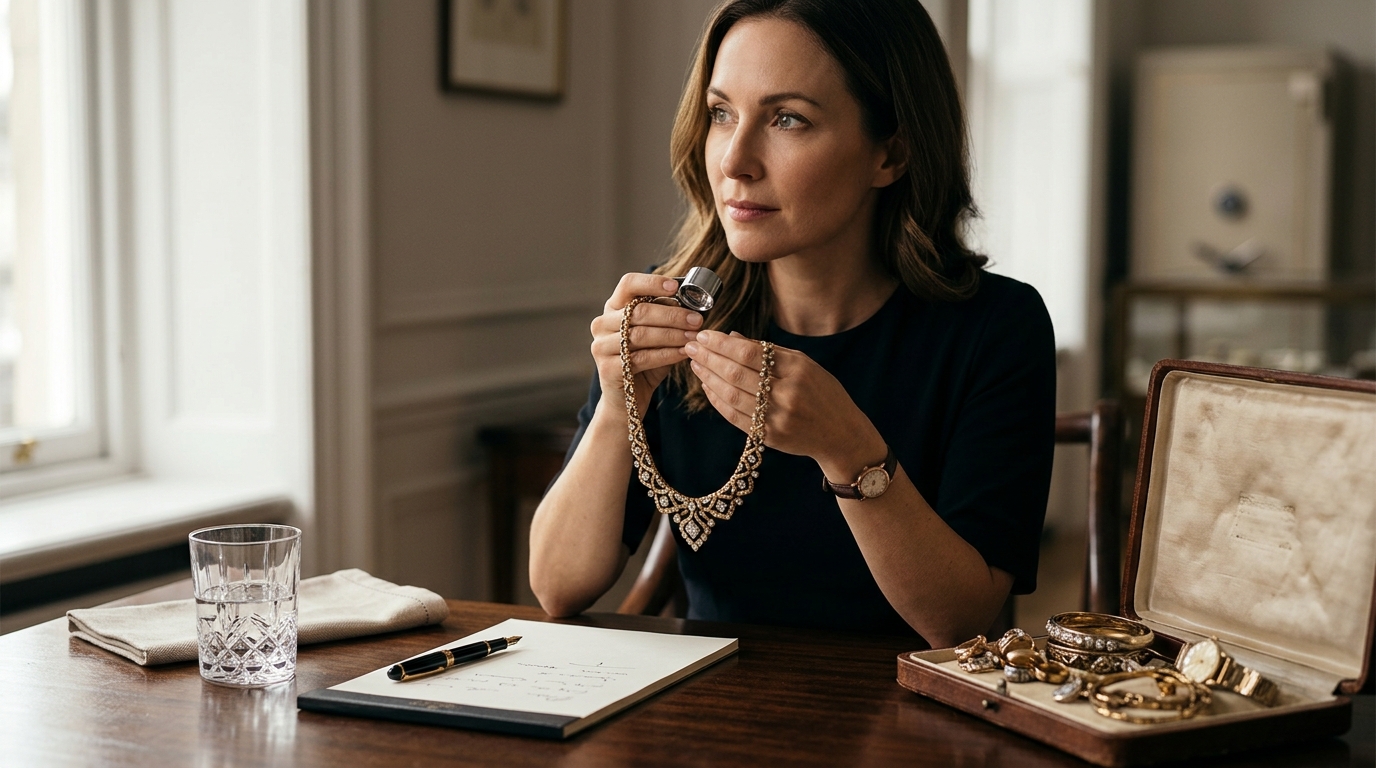
Selling preowned personal adornment requires careful inspection and realistic market expectations. According to industry data, the global secondary jewelry market generated over twenty billion dollars in recent transactions, proving that collectors and buyers actively seek authenticated vintage pieces. You must evaluate metal purity, gemstone certification, and historical craftsmanship before listing items for sale. Professional buyers prioritize documented provenance and current commodity pricing to ensure fair transactions. This guide outlines the essential evaluation steps to maximize your return. (Lake Worth Gold Mine)
Verify Metal Purity and Hallmarks
Estate jewelry is preowned personal adornment that carries historical or sentimental value. The first step involves locating official stamps that indicate metal composition. You will typically find numbers like 14k, 18k, or 750 near the clasp or inside bands. These markings confirm the actual gold content and directly influence your payout. Buyers rely on precise assays to calculate fair market value. You should never polish vintage pieces aggressively, as removing original hallmarks drastically reduces collector interest. Professional evaluators use acid tests and electronic testers to verify authenticity without damaging delicate settings.
Understanding Base Metal Alloys
Many vintage pieces contain mixed alloys that affect durability and resale value. White gold often requires rhodium plating to maintain its bright finish. Yellow gold retains its warm tone but may show microscopic scratches over decades. Rose gold contains copper traces that prevent tarnishing but require gentle handling. You should document these details before visiting a local jewelry store. Accurate metal identification prevents undervaluation during initial consultations.
Check Gemstone Certification and Grading
Gemstone certification is the official documentation process that verifies stone origin, treatment history, and quality metrics. Loose diamonds and colored stones require independent laboratory reports to command premium pricing. You should look for grading certificates from recognized institutions that detail cut, clarity, color, and carat weight. These documents protect buyers from synthetic replacements and treated stones. Many estate pieces contain older cuts like old mine or old European styles that appeal to vintage collectors. You should preserve original settings whenever possible, as modern re-cutting destroys historical value. Professional appraisers examine inclusions and fluorescence to confirm natural formation.
Evaluating Colored Stone Authenticity
Sapphires, rubies, and emeralds often undergo oil or resin treatments to enhance transparency. You must disclose any enhancements to potential buyers to maintain ethical transaction standards. Untreated stones command significantly higher auction prices and private sale values. You should request laboratory reports that explicitly state treatment history. Many estate collections contain mixed gemstone palettes that reflect specific design periods. Accurate identification ensures you receive competitive offers from specialized buyers.
Identify Historical Craftsmanship and Eras
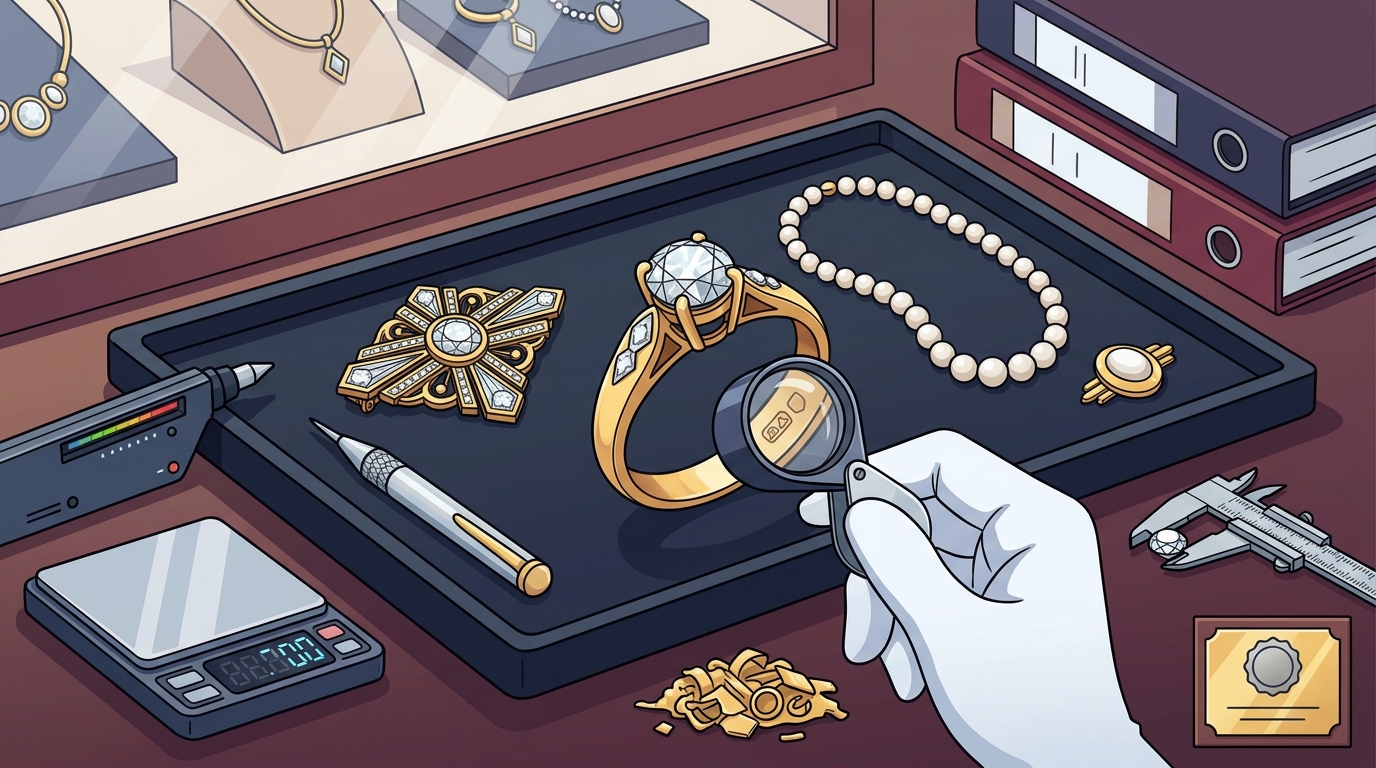
Appraisal is the formal valuation procedure conducted by certified gemologists and antique specialists. Different design periods exhibit distinct manufacturing techniques that collectors actively seek. Victorian pieces feature hand-engraved motifs and rose-cut diamonds. Art Deco jewelry showcases geometric patterns and platinum settings. Mid-century modern designs emphasize bold colors and sculptural forms. You should research your specific era to understand current collector demand. Many vintage pieces contain maker marks that increase resale value substantially. You should photograph these signatures clearly before submitting items for evaluation.
Recognizing Maker Marks and Signatures
Famous jewelry houses like Cartier, Van Cleef, and Tiffany stamped their creations with distinctive logos. These marks instantly elevate market value and attract serious collectors. You should verify authenticity through official brand archives or authorized dealers. Many estate pieces contain unsigned craftsmanship that still commands strong prices. You should focus on overall condition and design rarity rather than brand recognition alone. Professional buyers maintain extensive databases of historical production runs. Accurate era identification prevents mispricing during initial negotiations.
Assess Wear and Structural Integrity
Structural integrity determines whether a piece can be safely worn or must be sold strictly as raw materials. You should inspect clasps, hinges, and prongs for fatigue or microscopic fractures. Vintage brooches often develop weak pin mechanisms that require professional repair. You should avoid forcing stuck clasps, as this causes irreversible metal stress. Many estate collections contain minor scratches that actually increase historical authenticity. You should document existing wear with high-resolution photographs before visiting a buyer. Professional restorers can often refurbish damaged pieces without compromising original value.
Handling Delicate Gemstone Settings
Prong settings require careful inspection to ensure stones remain securely anchored. Loose gemstones often indicate worn metal that needs immediate professional attention. You should store estate pieces separately to prevent friction damage during transport. Many vintage rings contain tension settings that require specialized handling procedures. You should avoid exposing delicate pieces to harsh chemicals or extreme temperatures. Professional conservators use magnification tools to assess microscopic stress points. Proper handling preserves maximum resale value during the selling process.
Align Pricing with Daily Market Fluctuations
Commodity pricing directly influences how much buyers will pay for raw gold and silver content. You should monitor daily metal prices to understand your baseline recovery value. Precious metal markets fluctuate based on global economic indicators and currency exchange rates. You should compare multiple buyer quotes to ensure competitive offers. Many estate pieces contain significant metal weight that provides a financial safety net. You should request transparent pricing breakdowns that separate material value from collector premiums. Professional buyers publish updated commodity rates to maintain transaction transparency. Accurate market alignment prevents undervaluation during final negotiations.
| Selling Method | Expected Return | Processing Time | Best For |
|---|---|---|---|
| Professional Estate Buyer | High (Material + Collector Premium) | Same Day | Authenticated vintage pieces |
| Scrap Metal Refiner | Low (Raw Material Only) | 24 to 48 Hours | Broken or unidentifiable items |
| Private Online Marketplace | Variable (Market Dependent) | Weeks to Months | Rare collector items |
| Auction House | High (Premium Buyer Pool) | Months | Museum-grade historical pieces |
Key Takeaways
- Lake Worth Gold Mine has operated continuously for 15 years, establishing deep regional expertise.
- The business was voted Best of Palm Beach County five years in a row by local residents.
- Professional buyers provide free evaluations without requiring upfront payment or hidden fees.
- Daily metal prices update continuously to reflect real-time commodity market shifts.
- Historical craftsmanship and maker marks significantly increase collector premiums.
- Structural integrity and original hallmarks directly impact final payout percentages.
- Transparent documentation and laboratory reports protect both buyers and sellers.
Frequently Asked Questions
Do you need original receipts to sell estate jewelry?
Original receipts are helpful but never required for professional transactions. Buyers rely on independent assays and gemological reports to verify value. You should provide any available documentation to support your claims. Missing paperwork rarely prevents a fair evaluation process.
How do hallmarks affect my final payout?
Hallmarks confirm metal purity and prevent undervaluation during initial assessments. Missing stamps require professional testing to verify actual content. You should never remove original markings before evaluation. Preserved hallmarks typically increase final offers by fifteen to twenty percent.
Can I sell damaged or broken estate pieces?
>Professional buyers accept damaged items and calculate value based on recoverable materials. Broken clasps and loose stones rarely eliminate your entire payout. You should submit items for evaluation regardless of visible wear. Many damaged pieces contain significant precious metal weight.How long does the evaluation process take?
Professional evaluations typically require fifteen to thirty minutes per item. Buyers use specialized equipment to verify metal content and gemstone quality. You should schedule appointments to avoid waiting periods. Same-day transactions are standard for authenticated estate collections.
What documentation should I bring to my appointment?
You should bring any available certificates, receipts, or historical records. Photographs of previous ownership can support collector premiums. You should list known details about the piece origin. Missing documentation rarely prevents a comprehensive evaluation.
Do you purchase estate jewelry without gemstones?
Empty settings contain valuable precious metal that buyers actively seek. You should submit broken pieces regardless of missing stones. Professional refiners recover gold and silver from intricate designs. Empty settings often provide substantial baseline recovery value.
Schedule Your Free Estate Jewelry Evaluation
Transform your inherited or unused vintage pieces into immediate financial value. Visit the Lake Worth Gold Mine showroom to receive a complimentary professional assessment. Our certified buyers evaluate gold, silver, diamonds, watches, and collectibles daily. You will receive transparent pricing based on current commodity markets and collector demand. Visit our Palm Beach County location today to experience a streamlined, respectful selling process. Bring your estate jewelry for a free evaluation and discover your true market value.