
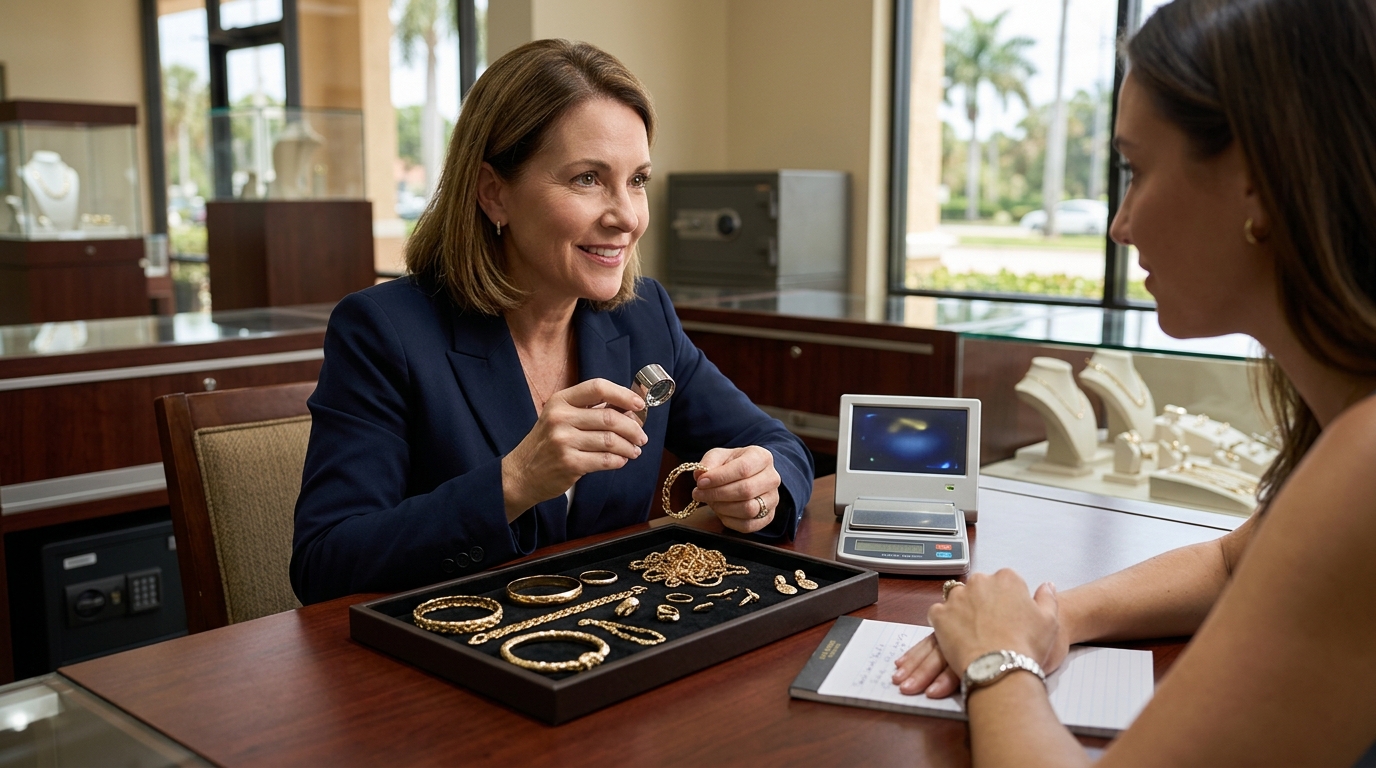
The global precious metals market currently trades at historic highs, with spot prices frequently exceeding two thousand dollars per troy ounce. Market data shows that consumer demand for tangible assets continues to drive record trading volumes across major exchanges. Understanding how buyers calculate your jewelry worth requires a clear grasp of metallurgical standards and current exchange rates. Professional evaluators follow strict industry protocols to ensure fair compensation for every piece. This guide explains the exact mechanics behind gold pricing so you can maximize your return. (Lake Worth Gold Mine)
Understanding Karat Weight Standards
Karat weight is the standardized measurement system used to calculate the purity of gold alloys. This internationally recognized framework divides pure gold into twenty-four equal parts. A twenty-four karat piece contains one hundred percent elemental gold, while lower numbers indicate mixed metal compositions. Buyers always verify the stamped hallmark on your jewelry before proceeding with an offer. Industry reports confirm that fourteen karat and eighteen karat pieces dominate retail sales across North America. These alloys provide superior durability for daily wear without sacrificing significant precious metal content. You should always locate the official stamp before visiting a local buyer.
Assessing Purity and Alloy Composition
Alloy composition directly impacts the final payout calculation during an evaluation. Makers intentionally mix copper, silver, or zinc with gold to achieve specific colors and structural integrity. White gold requires rhodium plating to maintain its bright finish, which gradually wears over time. Buyers test each piece using electronic testers or acid kits to verify exact metal percentages. Government data shows that modern jewelry manufacturing prioritizes wear resistance over maximum purity. This shift explains why most contemporary pieces carry lower karat stamps. You can bring your collection to a local showroom for a complimentary assessment. Our evaluation process examines every component to ensure accurate metal recovery.
Calculating Spot Market Multipliers
Spot market multipliers are the daily fluctuating rates applied to raw gold prices on global exchanges. Buyers reference these live rates to calculate the base melt value of your jewelry. The calculation multiplies the total carat weight by the current purity percentage and the daily exchange rate. Trading platforms update these figures continuously throughout business hours. You will notice slight variations in offers depending on the exact time of day. Professional buyers always display current rates on their websites for transparency. Daily metal prices remain accessible to the public, allowing you to track market movements independently. This transparency builds trust between sellers and reputable dealers.
Evaluating Craftsmanship and Brand Premiums
Craftsmanship and brand premiums often dictate the retail price rather than the melt value. Luxury designers charge significantly higher amounts for intricate settings and proprietary finishes. Buyers typically separate the precious metal value from the brand markup during a transaction. Estate jewelry and vintage pieces may carry historical significance that increases their collectible worth. Appraisal associations note that brand recognition rarely affects the base metal payout. You should always request a detailed breakdown of your offer before signing any paperwork. Our fifteen year track record demonstrates consistent fair pricing for both standard and designer pieces. Customers frequently return for future transactions after experiencing transparent service.
Navigating Professional Appraisal Processes
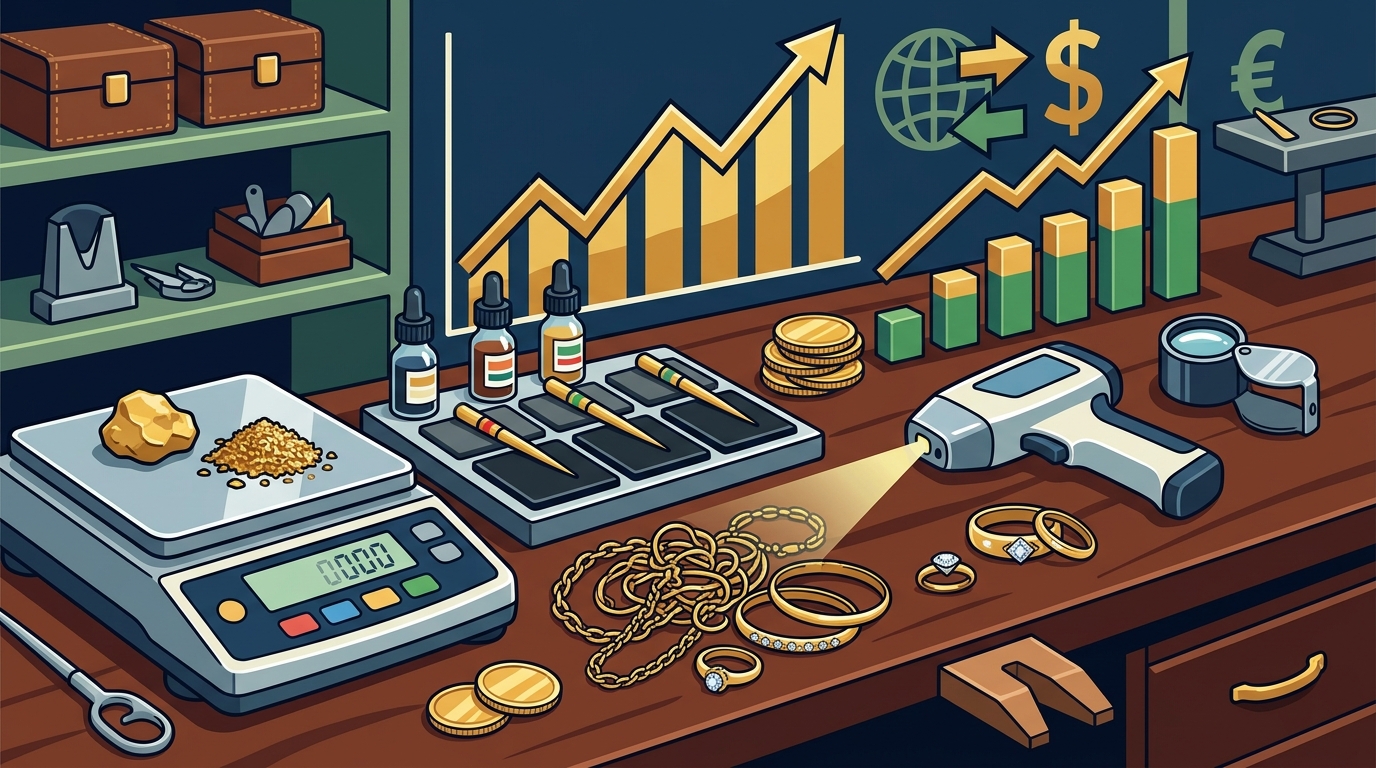
Professional appraisal processes are the systematic testing protocols used to verify authenticity and exact weight. Buyers use precision scales calibrated to the hundredth of a gram. They also employ specialized equipment to detect hidden stones or non-gold components. This rigorous approach ensures you receive compensation strictly for the precious metals you own. Mining reports indicate that global gold production remains relatively stable compared to surging consumer demand. You can schedule a complimentary consultation to review your entire collection. Verified customer reviews highlight the efficiency and fairness of our in-store evaluations. We handle every transaction with complete discretion and professional care.
Gold Purity Comparison Chart
| Karat Rating | Purity Percentage | Common Use Cases | Estimated Melt Value Range |
|---|---|---|---|
| Twenty Four Karat | 99.9 Percent | Investment Bars and Coins | Base Market Rate |
| Twenty Two Karat | 91.6 Percent | Traditional and Cultural Jewelry | High Premium Range |
| Eighteen Karat | 75.0 Percent | Luxury Designer Pieces | Mid Tier Valuation |
| Fourteen Karat | 58.3 Percent | Daily Wear and Durability | Standard Retail Rate |
| Ten Karat | 41.7 Percent | Budget Friendly Accessories | Entry Level Payout |
Key Takeaways
- Karat weight directly correlates with the percentage of pure gold contained in every piece.
- Spot market prices fluctuate daily based on global supply chain dynamics and investor behavior.
- Alloy composition determines durability, color, and overall structural integrity of the jewelry.
- Brand premiums rarely transfer to the final melt value during a buyer transaction.
- Professional evaluations utilize precision scales and electronic testing for maximum accuracy.
- Transparent pricing models allow sellers to verify offers against live exchange rates.
- Local dealers often provide complimentary assessments to build long term customer relationships.
Frequently Asked Questions
How do buyers verify the exact weight of my jewelry?
Buyers use calibrated digital scales that measure weight in grams or troy ounces. They also subtract the weight of any non-gold components like clasps or gemstone settings. This precise measurement ensures you receive accurate compensation for the actual precious metal content.
Does the color of the gold affect its melt value?
The color itself does not change the base metal payout, but it indicates the specific alloy mix. Rose gold contains copper, while white gold requires nickel or palladium. Buyers calculate the payout based on the total karat rating rather than the visual finish.
Can I sell broken or damaged gold jewelry?
Damage never reduces the intrinsic value of the precious metals inside. Buyers will melt down broken chains, cracked pendants, or missing stones to recover the raw material. You should gather all fragments before visiting a local showroom for evaluation.
How often do daily metal prices update?
Live exchange rates update continuously during global trading hours across major financial centers. Buyers reference these real time figures to calculate your exact offer. You can monitor current rates on our website before scheduling an appointment.
What documents do I need to bring for a jewelry sale?
You only need a valid government issued identification to complete the transaction. Buyers must comply with state regulations regarding precious metals dealers. We handle all necessary paperwork to ensure a fast and compliant exchange.
Do you purchase vintage or antique gold pieces?
We accept vintage and antique items regardless of their current fashion relevance. Historical craftsmanship often increases the collectible value beyond the raw metal weight. Our specialists carefully inspect each era to determine the most accurate valuation.
How long does a typical evaluation take?
A standard evaluation requires approximately fifteen to thirty minutes per visit. Complex pieces with multiple stones or intricate settings may require additional testing time. You can schedule an appointment to minimize wait times during peak hours.
Ready to Sell Your Gold?
Transform your unused jewelry into immediate cash with a professional evaluation. Visit our Palm Beach County showroom to receive a complimentary assessment from certified specialists. Schedule your appointment today and discover exactly what your collection is worth. We handle gold, silver, diamonds, watches, and collectibles with complete transparency. Walk in or call our team to begin the process.